
The Future of Microgrids in Renewable Energy Distribution
Microgrids are changing the game in renewable energy. These small-scale power systems bring electricity closer to home, making sustainable energy more accessible. As we look to the future, microgrids stand out as a key player in power distribution.
The need for decentralized power is growing fast. Microgrids offer a smart solution, fitting perfectly into sustainable energy systems. They’re not just a trend – they’re reshaping how we think about and use energy. From cities to rural areas, these systems are proving their worth in various settings.
Let’s dive into how microgrids are revolutionizing renewable energy. We’ll explore their benefits, challenges, and real-world success stories. Get ready to see why microgrids are becoming the backbone of our energy future.
Understanding Microgrids in Renewable Energy: A Comprehensive Overview
Microgrids are small-scale power systems that integrate renewable energy sources, energy storage, and smart grid technology. These systems can operate independently or connect to the main power grid, offering flexibility and reliability in energy distribution.
At the heart of a microgrid are its components. These include power generation sources like solar panels and wind turbines, energy storage systems such as batteries, and control systems that manage power flow. Smart grid technology plays a crucial role in coordinating these elements, ensuring efficient operation and optimal renewable energy integration.
Microgrids differ from traditional power grids in their ability to isolate from the main grid during outages. This feature, known as “islanding,” enhances energy resilience and reliability. Energy storage systems are key to this capability, storing excess power for use during peak demand or emergencies.
“Microgrids represent a paradigm shift in power distribution, offering localized control and increased reliability.”
The integration of renewable energy sources is a defining characteristic of modern microgrids. This integration helps reduce carbon emissions and dependence on fossil fuels, aligning with global sustainability goals.
| Microgrid Component | Function | Benefit |
|---|---|---|
| Renewable Energy Sources | Generate clean power | Reduce carbon emissions |
| Energy Storage Systems | Store excess energy | Enhance grid stability |
| Smart Grid Technology | Manage power flow | Optimize energy distribution |
| Control Systems | Coordinate components | Improve overall efficiency |
Benefits and Advantages of Microgrid Implementation
Microgrids offer numerous advantages in renewable energy distribution. They enhance energy reliability by providing local power generation and storage. This setup reduces reliance on the main grid, ensuring continuous power supply during outages or natural disasters.
Cost savings are a significant benefit of microgrid implementation. By optimizing energy use and reducing transmission losses, microgrids can lower electricity bills for both consumers and utilities. They also enable the integration of cheaper renewable energy sources, further decreasing costs.
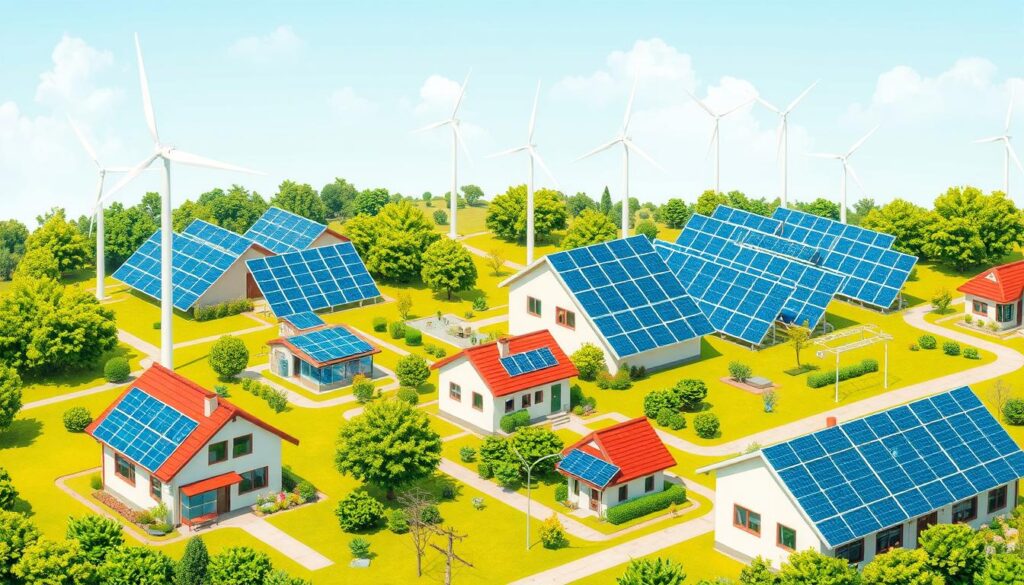
Carbon footprint reduction is another key advantage. Microgrids facilitate the integration of clean energy sources like solar and wind power. This shift away from fossil fuels leads to decreased greenhouse gas emissions, contributing to environmental sustainability.
Energy independence is a crucial aspect of microgrid systems. They empower communities and businesses to generate and manage their own power. This autonomy reduces vulnerability to grid failures and enhances energy security.
“Microgrids are revolutionizing our approach to energy distribution, offering a path to a more resilient and sustainable future.”
| Benefit | Impact |
|---|---|
| Energy Reliability | Reduced outages, improved power quality |
| Cost Savings | Lower electricity bills, optimized energy use |
| Carbon Footprint Reduction | Decreased emissions, increased use of renewables |
| Energy Independence | Greater control over energy resources, enhanced security |
Technological Innovations Driving Microgrid Evolution
Microgrids are evolving rapidly, thanks to groundbreaking technologies. AI in microgrids is revolutionizing how we manage energy distribution. These smart systems analyze data in real-time, optimizing power flow and predicting demand patterns. This leads to improved efficiency and reduced costs.
Blockchain technology is another game-changer. It enables secure, transparent transactions within microgrids. This innovation fosters trust among participants and streamlines energy trading. Experts predict that blockchain will play a crucial role in the future of energy distribution.
IoT integration is transforming microgrids into interconnected ecosystems. Smart devices communicate seamlessly, sharing vital data. This connectivity enhances grid stability and responsiveness. Advanced energy management systems use this information to make intelligent decisions, balancing supply and demand effortlessly.
| Technology | Impact on Microgrids |
|---|---|
| AI | Real-time optimization, predictive maintenance |
| Blockchain | Secure transactions, energy trading |
| IoT | Enhanced connectivity, data sharing |
| Advanced EMS | Intelligent decision-making, load balancing |
These innovations are not just improving existing systems; they’re paving the way for entirely new microgrid models. As technology continues to advance, we can expect even more exciting developments in this field.
“The integration of AI, blockchain, and IoT in microgrids is not just an improvement; it’s a complete transformation of our energy landscape.”
Challenges and Solutions in Microgrid Deployment
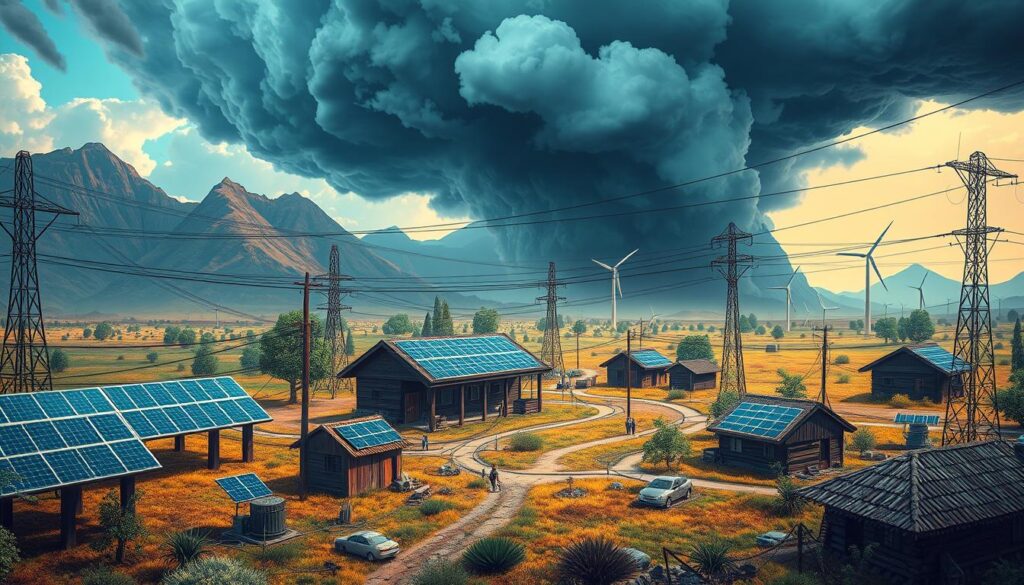
Microgrid deployment faces several hurdles. Regulatory barriers often slow down implementation. These rules vary by region and can be complex. Companies must navigate a maze of permits and approvals. This process takes time and money.
Infrastructure costs pose another challenge. Building microgrids requires significant investment. Equipment, installation, and maintenance all add up. Small communities may struggle to fund these projects. Energy companies need to find ways to make microgrids more affordable.
Grid integration presents technical difficulties. Connecting microgrids to existing power systems is tricky. It requires careful planning and coordination. Engineers must ensure seamless operation between the two systems. This integration is crucial for reliability and efficiency.
Energy storage limitations also hinder microgrid adoption. Batteries are expensive and have limited capacity. Renewable energy sources like solar and wind are intermittent. Without adequate storage, microgrids can’t provide consistent power. Improving battery technology is key to overcoming this obstacle.
“The biggest challenge in microgrid deployment is balancing cost with functionality. We need innovative solutions to make these systems more accessible.”
Despite these challenges, solutions are emerging. New financing models help offset infrastructure costs. Advances in energy management systems improve grid integration. Research into energy storage is yielding promising results. As technology progresses, microgrids are becoming more viable and widespread.
Real-World Applications and Success Stories
Community microgrids are transforming energy distribution across the globe. In California, the Blue Lake Rancheria microgrid powers a Native American reservation, providing clean energy and disaster resilience. During wildfires, it served as a lifeline for the community, offering shelter and power when the main grid failed.
Industrial microgrids are revolutionizing manufacturing. The Ontarian IESO York Region Non-Wires Alternative Demonstration Project showcases how industrial facilities can reduce strain on the grid during peak hours. This innovative approach has cut energy costs and improved reliability for participating businesses.
Island power systems benefit greatly from microgrid technology. Hawaii’s Kauai Island Utility Cooperative has implemented a solar-plus-storage microgrid, reducing diesel consumption by 2.8 million gallons annually. This system has increased renewable energy usage to over 50% of the island’s power supply.
Microgrids excel in enhancing disaster resilience. Puerto Rico’s community microgrids, developed after Hurricane Maria, have proven crucial in maintaining power during subsequent storms. These systems ensure critical facilities like hospitals and water treatment plants remain operational during emergencies.
| Microgrid Type | Location | Key Benefit |
|---|---|---|
| Community | Blue Lake Rancheria, CA | Emergency shelter during wildfires |
| Industrial | York Region, Ontario | Peak load reduction |
| Island Power System | Kauai, Hawaii | 2.8M gallon diesel reduction |
| Disaster Resilience | Puerto Rico | Critical infrastructure support |
Conclusion
Microgrids are set to play a pivotal role in the future of renewable energy. As we’ve explored, these localized power systems offer a smart solution for sustainable power distribution. They bring resilience, efficiency, and flexibility to our energy networks, making them key players in the renewable energy transition.
The benefits of microgrids are clear. They provide reliable power, reduce energy costs, and lower carbon emissions. As technology advances, we’re seeing more innovative applications of microgrids in various settings. From remote communities to urban centers, microgrids are proving their worth in real-world scenarios.
Looking ahead, the future of microgrids is bright. As we move towards a cleaner energy landscape, these systems will become increasingly important. They’ll help us overcome challenges in power distribution and storage. Microgrids are not just a temporary fix – they’re a long-term solution for a sustainable energy future.
In conclusion, microgrids are transforming how we think about and use energy. They’re paving the way for a more resilient, efficient, and sustainable power grid. As we continue to innovate and improve these systems, microgrids will undoubtedly play a crucial role in shaping our energy future.
FAQ
What is a microgrid?
How do microgrids contribute to renewable energy distribution?
What are the main components of a microgrid?
How do microgrids improve energy reliability?
Can microgrids help reduce carbon footprint?
What role does AI play in microgrid management?
How do microgrids enhance disaster resilience?
What are some challenges in implementing microgrids?
Are there successful examples of microgrid implementations?
How do microgrids contribute to energy independence?
