
Micromobility Regulations Reshaping Electric Transport Networks
Municipal leaders implementing strict micromobility regulations reshaping urban transit landscapes are transforming how lightweight electric scooters and e-bikes integrate with existing public transportation infrastructure safely.
The rapid proliferation of shared electric vehicles across metropolitan corridors created significant challenges regarding pedestrian safety, sidewalk clutter, parking management, and battery charging infrastructure standards.
Clear legal frameworks now establish operational guidelines, licensing requirements, and speed restrictions, ensuring light electric vehicles complement buses and trains while reducing urban traffic congestion permanently.
What Are the Core Legal Frameworks Governing Light Electric Vehicles?
City councils enact comprehensive regulatory policies defining maximum speed limits, mandatory helmet mandates, minimum operator age requirements, and designated riding zones for light electric vehicles.
Geofencing technology allows municipal authorities to enforce virtual boundaries, automatically slowing down vehicles in crowded pedestrian plazas or disabling motors in prohibited urban zones.
Operators must secure official municipal permits, meet strict safety certifications, and share real-time fleet location data with urban planning departments to maintain active business licenses.
To explore international urban transit policy benchmarks and sustainable mobility research, visit the official platform of the International Transport Forum.
Establishing transparent legal definitions separates lightweight e-scooters from heavy mopeds, streamlining traffic enforcement while protecting vulnerable road users across dense downtown districts.
How Are Municipalities Infrastructure Adapting to Protected Micromobility Lanes?
Urban planners redesign municipal streetscapes by converting vehicular parking lanes into protected bike paths, physically separating vulnerable riders from heavy commercial truck and automobile traffic.
Installing dedicated parking bays with integrated charging docks prevents sidewalk obstruction, maintaining clear paths for pedestrians, wheelchair users, and emergency services personnel.
Cities utilize mobility data feeds to identify high-density transit corridors, prioritizing infrastructure investments where commuter demand for light electric transport shows consistent exponential growth.
Observing how micromobility regulations reshaping street infrastructure accelerates citywide adoption clarifies why dedicated urban lanes remain essential for long-term traffic safety and commuter efficiency.
Below is an overview detailing key regulatory standards, compliance mechanisms, municipal objectives, and operational impacts governing modern light electric vehicle networks across global cities.
| Regulatory Standard | Compliance Mechanism | Municipal Objective | Operational Impact |
| Speed Cap Mandates | Geofenced engine governors | Reduce pedestrian collision severity | Limits maximum speeds to 15-20 km/h |
| Designated Parking Bays | GPS-locked parking validation | Eliminate sidewalk clutter and hazards | Requires riders to dock in marked zones |
| Fleet Capacity Limits | Permit-based vehicle caps | Prevent market oversaturation | Balances vehicle supply with demand |
| Data Sharing Standards | MDS and GBFS protocol feeds | Optimize urban transit planning | Delivers real-time fleet location visibility |
Standardizing these operational rules creates predictable transit environments, encouraging diverse demographic groups to adopt light electric vehicles for daily commuting needs confidently.
Why Is Data Integration Crucial for Modern Fleet Management?
Municipalities require shared mobility providers to transmit standardized data feeds tracking vehicle utilization rates, trip origin-destination patterns, and parking compliance metrics constantly.
City transit agencies integrate this real-time information into unified mobility platforms, allowing commuters to plan multi-modal journeys combining light electric vehicles with suburban rail networks seamlessly.

Learn more: How Micromobility Is Changing How We Commute: A Revolution on Two Wheels
Anonymized trip data highlights gaps in public transit coverage, guiding municipal investments toward underserved neighborhoods requiring improved first-mile and last-mile connection options.
Enforcing data transparency through updated micromobility regulations reshaping municipal governance ensures private transit operators align their business models with public equity and accessibility goals.
Digital oversight capabilities enable rapid enforcement of parking violations, ensuring fleet operators remove abandoned or damaged vehicles from public spaces before creating traffic hazards.
Which Safety Policies Protect Pedestrians and Riders Effectively?
Mandatory helmet laws, nighttime lighting requirements, and audible warning devices significantly reduce emergency hospital visits resulting from urban light electric vehicle collisions.
Prohibiting riding on pedestrian sidewalks protects elderly citizens and visually impaired individuals, redirecting fast-moving electric transport onto dedicated cycling paths or low-speed streets.
Read more: Electric Transport Micromobility Grid Load Challenges
Operators must carry comprehensive third-party liability insurance coverage, protecting riders and pedestrians financially in the event of traffic accidents or mechanical equipment failures.
Strict manufacturing standards govern lithium-ion battery safety and waterproof electrical enclosures, mitigating thermal runaway risks during high-voltage rapid charging cycles at commercial hub facilities.
To inspect international technical specifications for electric vehicle safety and battery standards, consult the official guidelines of the International Electrotechnical Commission.
Building Sustainable Electric Transport Ecosystems for the Future
Evolving legal framework guidelines balance commercial innovation with public safety, establishing lightweight electric vehicles as indispensable components of modern sustainable transit networks.
Learn more: Transport Micromobility Parking Space Crisis
Collaborative partnerships between private mobility providers, urban planners, and local law enforcement foster safe street environments that encourage zero-emission commuting alternatives.
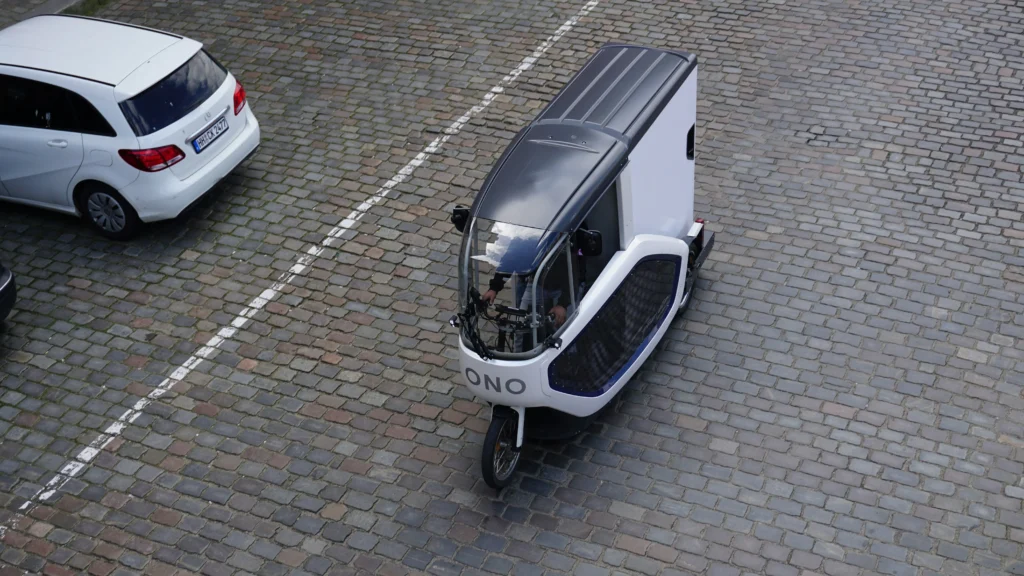
Enforcing smart policy frameworks transforms urban transport systems, creating cleaner, accessible, and highly efficient metropolitan centers for future generations to enjoy.
Frequently Asked Questions (FAQ)
How does geofencing technology enforce local micromobility regulations?
Geofencing utilizes GPS tracking to create virtual boundaries, automatically lowering vehicle speed limits in pedestrian zones or preventing parking outside authorized municipal bays.
Why do cities limit the total number of shared e-scooters allowed?
Fleet capacity caps prevent market oversaturation, reduce sidewalk clutter, ensure fair competition among operators, and align vehicle supply with actual commuter demand.
What is the purpose of first-mile and last-mile transport solutions?
First-mile and last-mile solutions bridge the distance between a commuter’s home or destination and high-capacity public transit hubs, making public transportation more accessible.
How do battery safety standards protect urban transit networks?
Rigorous manufacturing and charging standards prevent electrical short circuits, water ingress, and thermal runaway fires in high-density vehicle fleets and commercial charging stations.
