
How Micromobility Is Changing How We Commute: A Revolution on Two Wheels
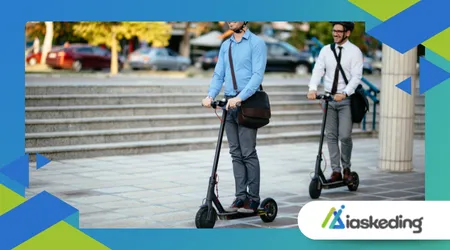
The transportation landscape is undergoing a dramatic, essential transformation, fundamentally changing How Micromobility Is Changing How We Commute.
This quiet revolution, driven by electric scooters, e-bikes, and other personal light vehicles, is reshaping our relationship with the city.
For too long, the automobile dominated urban planning and personal travel habits. Now, a greener, nimbler alternative offers freedom from traffic’s chokehold.
Why is Micromobility Gaining Momentum in Urban Centers?
Micromobility addresses the notorious “last mile” challenge with elegant simplicity. The issue of getting from a transit hub to a final destination has long been a frustration.
Traditional public transit struggles to cover that specific, short distance effectively. E-scooters and e-bikes provide a fluid, on-demand solution for those crucial initial and final stretches of a journey.
This agility is why city dwellers are increasingly adopting these convenient vehicles. They offer a tangible, immediate alternative to gridlock and costly parking.
People are tired of wasting time sitting idle in traffic congestion.
The transition to smaller, electric-powered options reflects a broader desire for more sustainable living. These devices offer a practical way to reduce one’s carbon footprint on a daily basis.
They are not merely a novelty; they represent a serious shift in commuting priorities.
Read more: What Makes an Electric Train “Green”?
What are the Primary Benefits Micromobility Offers Commuters?
Micromobility introduces unprecedented flexibility into the daily routine. A commute becomes less a fixed, monolithic journey and more a tailored, multi-modal experience.
It empowers the user to choose the most efficient path moment by moment.
Financially, the shift is compelling, significantly reducing expenses associated with car ownership. Maintenance, fuel, insurance, and parking all disappear or dramatically decrease.
This translates into meaningful savings for the average worker.
Furthermore, these personal electric vehicles contribute positively to public health. Using an e-bike, even with assistance, encourages some level of physical activity.
It turns a stressful, sedentary commute into a brief moment of engagement and movement.
The smaller form factor alleviates pressure on limited urban space, a hidden benefit. Imagine a street where twenty-five commuters arrive on micromobility devices instead of twenty-five individual cars.
The contrast in required space is stark.

How Micromobility Is Changing How We Commute: Real-World Impact
The integration of these devices is already producing measurable results in large metropolitan areas.
For instance, in cities like Berlin, an established public transportation network finds new efficiency. Commuters use e-scooters to bridge the gaps between subway stations and distant office parks.
++ The Best Folding Electric Bikes for City Life
This multimodal use is the true genius of micromobility, acting as the perfect complement to mass transit. Public transport capacity is maximized, serving longer, high-volume routes more effectively.
Meanwhile, micromobility handles the necessary dispersal at the destination end.
Consider the example of a commuter in Paris needing to travel five miles. Instead of driving a car, they might take the train three miles and then seamlessly switch to a shared e-bike for the final two miles.
This is a journey optimized for speed, cost, and minimal environmental impact.
How Micromobility Is Changing How We Commute.
Another powerful illustration comes from San Francisco, where hills previously deterred traditional cycling.
The advent of shared electric-assist bicycles has leveled the playing field, making cycling viable for a much wider demographic. This demonstrates that technology can overcome geographical constraints.
++ Comparing EV vs Hybrid vs Fuel Cell & Hydrogen: Pros, Cons, and Real-World Usage
Data Snapshot: The Global Micromobility Market Trajectory
The market size confirms this movement is not a fleeting trend but a solidified sector.
| Year | Global Micromobility Market Size (Billion USD) | Projected CAGR (2025-2033) |
| 2025 | $89.11 | 13.48% |
| 2033 | $245.08 | N/A |
This statistic reveals a robust industry expanding quickly as cities adapt their infrastructure. The massive projected growth signals deep consumer confidence and regulatory acceptance globally.
++ How micromobility is moving cities into a sustainable future
The Challenges and the Future of Urban Travel
Despite the progress, challenges persist, demanding intelligent policy and infrastructure development. Safety concerns, parking regulation, and maintaining order on sidewalks require constant attention.
Cities must build dedicated lanes to protect riders and pedestrians alike.
The transition requires a change in mindset, viewing the street as a shared space, not solely for cars. Micromobility vehicles are like blood cells, essential to the circulation of a city.
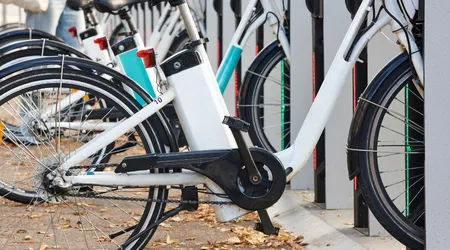
They carry vitality, speed, and efficiency to every urban corner.
According to a 2024 report by the North American Bikeshare Association (NABSA), ridership in North America saw a substantial increase, reporting a 27% increase in ridership between 2022 and 2023.
This undeniable surge in adoption speaks volumes about evolving commuter preferences.
Will we look back in ten years and wonder how we ever relied so heavily on single-occupancy vehicles for short trips?
It is this shift in perception that ensures How Micromobility Is Changing How We Commute is a story still being written.
The future of the urban commute is undeniably electric, personal, and profoundly efficient. Micromobility has proven to be an indispensable layer in the complex tapestry of modern transport.
How Micromobility Is Changing How We Commute.
Frequently Asked Questions
What defines “micromobility”?
It refers to a range of light, usually electric-powered vehicles operating at low speeds, primarily for short-distance urban travel. This includes e-scooters, e-bikes, and small electric mopeds.
Is micromobility a substitute for public transit?
No, it primarily serves as a complement. It solves the “last mile” problem, connecting users from public transit stops to their final destinations, enhancing the entire network’s usability.
What is the environmental impact of these devices?
Micromobility vehicles are zero-emission at the point of use.
They significantly reduce dependence on gasoline-powered cars, leading to lower urban air pollution and overall carbon emissions, particularly when replacing short car trips.
Are there safety concerns with e-scooters and e-bikes?
As adoption grows, safety remains a key concern.
Effective municipal regulation, dedicated infrastructure (like protected bike lanes), and rider education are crucial for mitigating risks and ensuring safer streets for all users.
How Micromobility Is Changing How We Commute is a narrative of sustained progress.
