
Why Grid Curtailment Is Hurting Renewable Energy Growth
The structural expansion of clean energy networks faces a silent, operational barrier as grid curtailment is hurting the long-term profitability of utility-scale solar and wind projects globally in 2026.
Curtailment occurs when grid operators deliberately reduce the output of renewable generators to protect outdated transmission architecture from destabilizing surges in electricity supply.
This forced shutdown happens most frequently during peak daylight hours when solar production surges precisely as local industrial power demand dips.
When green electrons are thrown away to maintain baseline network stability, independent power producers face severe revenue losses that damage project economics.
Forcing developers to waste zero-carbon energy undermines corporate decarbonization goals and actively deters institutional capital from funding new generation assets.
Resolving this critical bottleneck requires a fundamental understanding of transmission congestion, advanced battery storage deployments, grid-enhancing technologies, and updated pricing frameworks.
What is renewable energy curtailment and how does physical transmission congestion trigger intentional production shutdowns?
Renewable energy curtailment is the forced reduction of power output below what a solar array or wind farm is capable of producing.
This operational intervention becomes necessary when the local transmission infrastructure lacks the physical capacity to carry excess generation safely to consumers.
Logistics experts note that grid curtailment is hurting developers because electricity grids operate under rigid, real-time physical balance laws that cannot tolerate oversupply.
If supply vastly exceeds regional demand, the grid frequency spikes, threatening to damage expensive substation transformers and trigger widespread blackouts.
To prevent physical damage, independent system operators send automated signals that disconnect solar inverters or alter wind turbine blade pitches.
This immediate action balances the thermal load on transmission wires but leaves gigawatt-hours of cheap, carbon-free energy completely unused.
Why do rising curtailment rates directly undermine institutional investor confidence in green infrastructure?
Clean energy infrastructure projects rely on predictable, multi-decade cash flows to service their massive upfront debt requirements and satisfy equity investors.
When grid operators enforce high levels of uncompensated curtailment, the modeled revenue projections of power purchase agreements disintegrate rapidly.
To analyze broader macroeconomic energy data, tracking international electricity statistics, and assessing transition policies across advanced economies, consult the Organisation for Economic Co-operation and Development (OECD).
This financial unpredictable risk premium forces lenders to demand higher interest rates before financing new projects in constrained jurisdictions.
Consequently, capital shifts away from prime renewable zones, slowing down the overall pace of global carbon emission reduction efforts significantly.
Which operational metrics define the global impact of transmission constraints on clean energy generators?
Evaluating the severity of grid constraints requires monitoring the total volume of curtailed energy relative to nominal nameplate capacity across major power markets.
To understand how these variable integration barriers affect project financial performance across different structural jurisdictions, review the data indicators detailed below:
Comparative Analysis of Grid Integration Metrics
| Major Energy Market | Regional Curtailment Rate | Primary Structural Cause | Immediate Financial Impact | Dominant Mitigation Strategy |
| California (CAISO) | 8.5% – 11.0% | Midday solar oversupply and localized grid congestion | Dilutes project revenue margins during peak hours | Deployment of large-scale battery storage clusters |
| Northern Germany | 6.0Split – 9.0% | Spatial mismatch between wind assets and Southern industry | Inflates baseline consumer electricity prices | High-voltage direct current (HVDC) corridor builds |
| Northeast India | 12.0% – 15.0% | Rigid fossil-fuel baseline requirements and weak links | Deters private equity investment in regional solar | Implementing flexible ancillary service markets |
| Oeste Texas (ERCOT) | 7.0% – 10.5% | Severe wind generation surges during low-demand nights | Drives wholesale market energy prices below zero | Installation of dynamic line rating hardware systems |
| National Grid (UK) | 5.5% – 8.0% | Bottlenecks moving Scottish wind energy to Southern cities | Increases total balancing constraint payments | Constructing subsea transmission bypass cables |
The documented market data illustrates that grid curtailment is hurting the core financial viability of decarbonization strategies across distinct geographic zones.
Modern developers must factor these specific integration losses into their initial resource modeling software to avoid catastrophic revenue shortfalls post-construction.
How do utility-scale battery storage installations and grid-enhancing technologies mitigate energy waste?
Co-locating massive lithium-ion or sodium-ion battery storage arrays directly with renewable generation assets provides an immediate solution to localized oversupply issues.
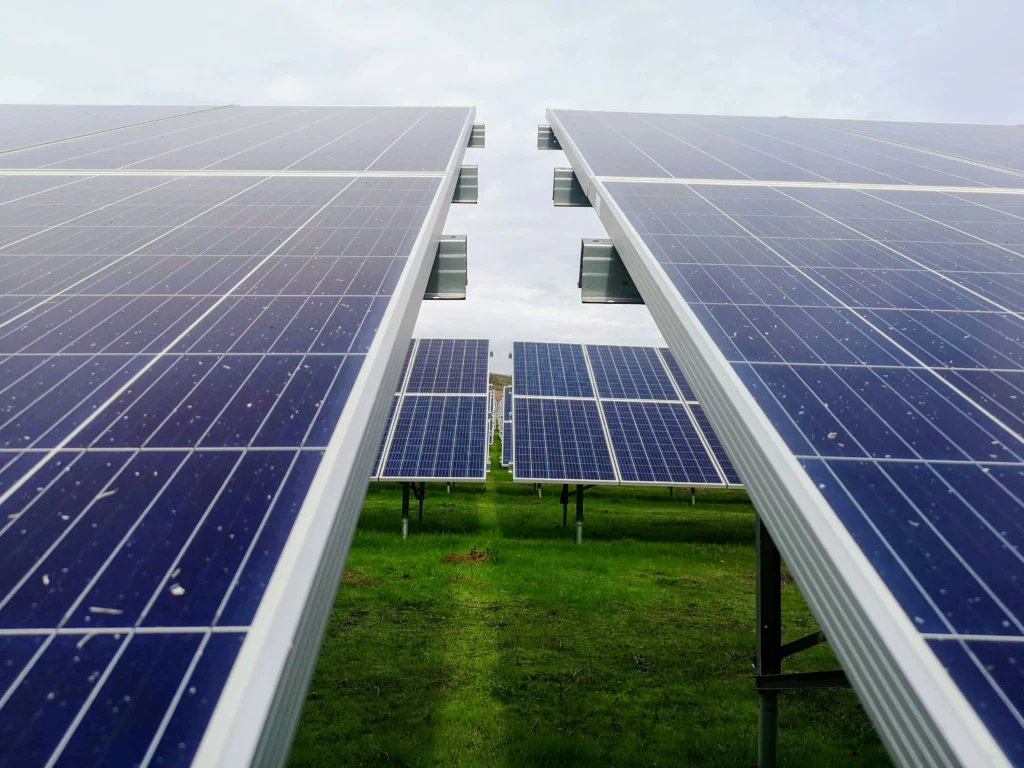
These systems capture surplus green electricity during peak generation windows, absorbing energy that would otherwise be discarded due to transmission limits.
Learn more: Truck Charging Queue Optimization Systems
Furthermore, transmission owners utilize Grid-Enhancing Technologies (GETs) like advanced conductors and dynamic line ratings to optimize existing overhead power lines.
These sensor-driven upgrades allow operators to adjust line capacity in real-time based on wind cooling, maximizing safe energy transit.
When must regulatory frameworks transition toward dynamic pricing models to encourage demand flexibility?
Updating regulatory market rules becomes critical when negative wholesale electricity prices occur regularly during peak renewable production hours.
Traditional utility frameworks protect inflexible fossil-fuel baselines, forcing cleaner, cheaper generators to disconnect from the public network first during oversupply events.
Read more: Renewable Energy Grid Bottlenecks Slowing New Projects
Implementing real-time dynamic pricing encourages large industrial energy consumers, including data centers and green hydrogen plants, to consume power when renewables are abundant.
This demand-side flexibility absorbs excess energy naturally, reducing the need for mandatory curtailment while lowering industrial operational costs.
Redefining the Architecture of Modern Power Grids
Overcoming the operational limitations of legacy electrical networks represents the next crucial frontier for the global clean energy transition.
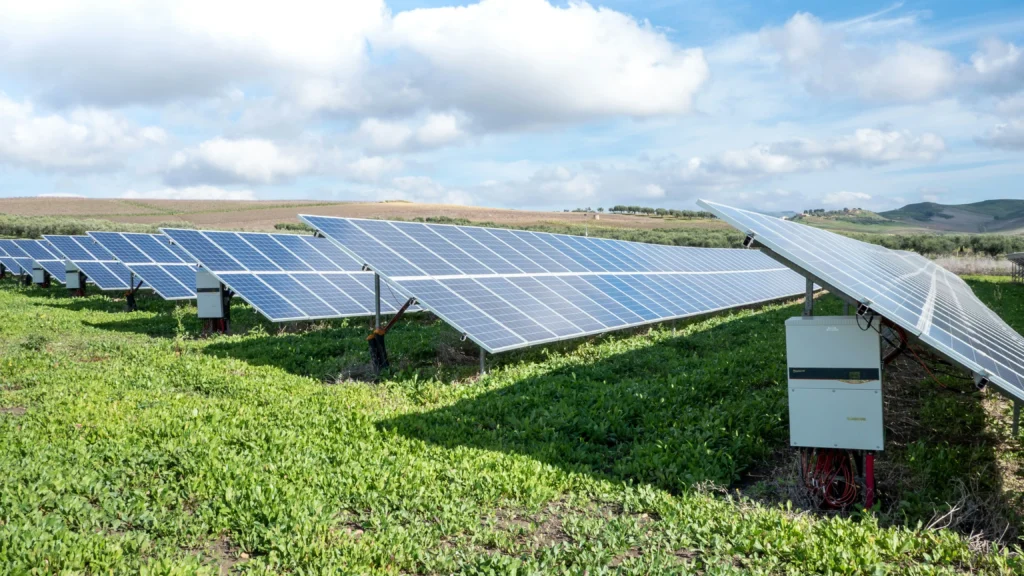
Energy sector leaders who prioritize grid monetization software, co-optimized storage systems, and advanced transmission infrastructure will secure long-term project viability.
Learn more: Renewable Energy Curtailment Losses Rising Worldwide
Building a flexible, interconnected power grid protects billions of dollars in renewable investments while accelerating the phase-out of fossil-fuel infrastructure.
The future of sustainable energy deployment belongs to markets that adapt their grids to manage variable power generation efficiently.
To explore comprehensive energy trend data, verified climate finance frameworks, and global infrastructure development updates across international markets, visit the World Bank.
Frequently Asked Questions (FAQ)
What is the distinction between economic curtailment and emergency technical curtailment?
Economic curtailment occurs when wholesale energy prices drop below zero, making it financially unviable for a developer to continue exporting power to the grid.
Emergency technical curtailment is mandated directly by grid operators to alleviate physical line congestion or maintain system frequency balance during oversupply.
How do negative electricity prices relate directly to grid curtailment events?
When renewable generation floods a congested grid area with zero-marginal-cost power, wholesale electricity prices can plummet below zero.
Under these conditions, generators must either pay the grid to take their power or cut production entirely, leading directly to an economic curtailment choice.
Can distributed residential solar installations experience grid curtailment issues?
Yes, distributed systems face a localized version of curtailment when high rooftop solar density raises voltage levels on neighborhood distribution lines.
Smart inverters handle this risk by automatically throttling residential output slightly to protect home appliances from experiencing unexpected electrical damage.
How long does it take to construct new high-voltage transmission lines to fix congestion?
Building major interstate high-voltage transmission corridors typically requires seven to fifteen years due to complex environmental reviews, land acquisition, and multi-state permitting processes. This extended timeline forces developers to rely heavily on battery storage installations to handle near-term congestion challenges.
