
Hybrid Power Plants Strengthen Renewable Energy Reliability
Analyzing how hybrid power plants strengthen regional electrical grids demonstrates how combining complementary clean energy sources resolves intermittency challenges across modern utility networks.
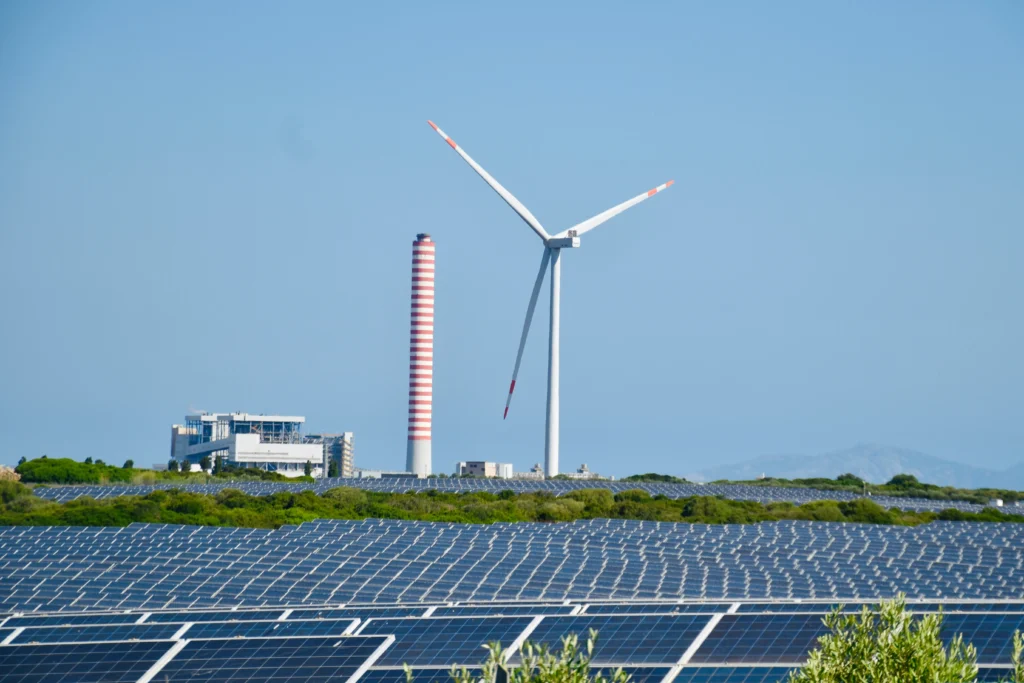
As global electricity demand surges in 2026, integrating solar photovoltaic panels, wind turbines, and utility-scale battery energy storage systems within a single connection point ensures stable power distribution.
What is a hybrid power plant and how does it function?
A hybrid power plant integrates two or more generation technologies—typically solar, wind, and battery storage—behind a shared grid interconnection point.
Advanced energy management software coordinates power output in real time, balancing fluctuating environmental conditions to deliver smooth, predictable electricity directly to high-voltage transmission lines.
Co-locating these generation assets maximizes infrastructure utilization, allowing plant operators to capture solar energy during daytime peaks while harnessing wind generation during nocturnal periods.
Understanding how hybrid power plants strengthen grid stability requires examining this operational synergy, which eliminates reliance on single-source weather patterns for daily electricity generation.
Why are co-located energy systems superior to standalone clean energy sites?
Standalone solar or wind facilities frequently face transmission curtailment when local generation exceeds grid capacity, wasting vast amounts of potential clean power.
Hybrid configurations mitigate curtailment risks by diverting excess electricity into high-capacity battery storage systems instead of disconnecting solar arrays or feathering wind turbine blades.
Shared balance-of-plant infrastructure—including land, substations, transformers, and site access roads—significantly reduces upfront capital expenditure and long-term operations and maintenance costs.
To explore global clean energy transition benchmarks, renewable policy frameworks, and international power market statistics, visit the International Renewable Energy Agency (IRENA).
Capitalizing on shared grid connections allows power producers to offer firm, dispatchable capacity contracts, competing directly with traditional fossil fuel plants in wholesale markets.
How do hybrid facilities optimize energy dispatchability and grid stability?
Dispatchability represents the ability of power plant operators to ramp electricity output up or down on demand to meet fluctuating consumer load profiles.
Integrating utility-scale lithium-ion or flow batteries enables hybrid plants to store surplus daytime production, discharging stored megawatt-hours during peak evening demand hours smoothly.
The analytical table below illustrates key operational characteristics, resource synergies, and grid management benefits delivered by multi-source hybrid generation systems:
| Generation Architecture | Primary Resource Synergy | Storage Integration | Main Grid Advantage |
| Solar PV + Battery Storage | Daytime generation with evening discharge | 2 to 6-hour lithium-ion BESS | Mitigates evening peak demand charges |
| Wind + Battery Storage | High night generation with continuous buffer | Short-duration frequency response | Smooths rapid wind velocity fluctuations |
| Solar + Wind + Battery | Complementary diurnal and seasonal profiles | Multi-hour hybrid BESS | Delivers baseload-like dispatchable output |
| Hydro + Solar Photovoltaic | Floating solar preserving reservoir water | Pumped hydro energy storage | Maximizes seasonal water storage capacity |
Evaluating these integrated asset combinations highlights how co-located storage transforms variable renewable resources into highly reliable, firm electricity assets for modern utilities.
Which technological advancements drive efficiency across modern hybrid infrastructure?
Artificial intelligence and predictive machine learning algorithms now manage real-world power dispatching by analyzing hyper-local weather forecasts and spot market electricity prices simultaneously.
Smart inverter technology provides critical synthetic inertia, frequency regulation, and voltage support, maintaining grid stability without requiring traditional spinning reserves from coal or natural gas.
Learn more: Electric or plug-in hybrid car: which is more worth it?
Hardware innovations like bi-facial solar modules and high-efficiency wind turbines maximize energy capture per square meter of leased land across utility-scale project sites.
Observing how hybrid power plants strengthen energy security highlights the importance of digital orchestration, which ensures seamless coordination between generation, storage, and grid transmission.
When will hybrid generation become the standard for utility-scale projects?
Major utility providers and independent power producers are prioritizing hybrid interconnection queues as transmission capacity constraints bottleneck traditional single-source project development worldwide.
Declining battery storage capital costs, paired with federal clean energy tax credits, make hybrid installations the most financially viable choice for long-term power purchase agreements.
As aging thermal power plants retire, hybrid clean energy facilities will step in to provide the baseload power necessary to electrify transportation and industrial sectors.
Read more: Comparing EV vs Hybrid vs Fuel Cell & Hydrogen: Pros, Cons, and Real-World Usage
For technical research on power grid modernization, renewable integration benchmarks, and energy storage engineering standards, consult the National Renewable Energy Laboratory (NREL).
Accelerating grid modernization initiatives worldwide ensures that hybrid power architectures will dominate future utility deployments, supporting economic growth while drastically reducing greenhouse emissions.
A resilient foundation for the global clean energy transition

Combining diverse renewable assets behind unified interconnection points represents a fundamental evolution in how utilities generate, store, and distribute sustainable electricity.
Recognizing how hybrid power plants strengthen reliability empowers grid operators, investors, and policymakers to accelerate clean energy adoption with complete technical confidence in 2026.
Learn more: EV vs Plug-in Hybrid: Which Makes More Sense for Daily Use?
By delivering continuous power, lowering infrastructure costs, and stabilizing electrical grids, hybrid power plants pave the way toward a dependable, zero-emission energy future.
FAQ (Frequently Asked Questions)
What is the main advantage of combining solar and wind generation in one site?
Solar and wind resources often complement each other naturally, as solar reaches peak production during daytime hours while wind power frequently surges at night.
Can existing standalone solar or wind farms be converted into hybrid plants?
Yes. Retrofitting existing renewable sites with battery energy storage systems—known as DC or AC coupling—is a common method to upgrade legacy power plants.
How do hybrid power plants assist with frequency regulation on the grid?
Integrated battery systems respond within milliseconds to sudden changes in grid frequency, injecting or absorbing power to maintain electrical grid stability instantly.
Are hybrid power plants more expensive to build than traditional power plants?
While upfront capital expenditure for combined assets is higher, shared infrastructure costs and higher capacity factors yield superior long-term financial returns and operational efficiency.
