
EV Tires: What’s Different and Why They Matter
Transitioning to modern electric mobility requires fully understanding how specialized EV Tires handle unique physical demands, transforming raw battery power into safe, efficient highway performance on a daily basis.
Heavier vehicle weights and instant torque delivery completely change basic traction requirements, forcing global manufacturers to engineer robust rubber compounds that resist rapid degradation across diverse driving environments.
What are the structural differences between standard and electric vehicle tires?
Traditional combustion automobiles carry heavy engines upfront, distributing weight unevenly across the metallic chassis during aggressive acceleration, heavy braking, and tight cornering maneuvers on busy public roads.
Battery packs sit flat along the floorboard, adding hundreds of pounds to the total vehicle mass while lowering the central point of gravity significantly for better automotive handling.
To support these massive battery loads without collapsing, modern tire manufacturers reinforce the outer sidewalls using high-tensile synthetic fabrics and highly specialized carbon black materials internally.
Stiffer sidewalls prevent excessive rubber flexing under extreme compression, ensuring maximum structural stability when drivers navigate sharp corners with heavily loaded passenger cabins at high interstate speeds.
Automotive engineers also carefully optimize the contact patch geometry, spreading the heavy downward force evenly across the asphalt to prevent premature structural failure during long cross-country transit.
How does instant torque impact tread wear on electric cars?
Electric motors deliver maximum rotational force immediately from zero revolutions per minute, skipping the gradual mechanical acceleration curve traditionally found in standard internal combustion engines entirely.
Applying massive torque directly to the pavement generates intense friction levels, stripping microscopic layers of rubber away every single time you launch your vehicle from a green light.
Without specialized tread patterns, aggressive acceleration destroys standard rubber extremely quickly. Properly engineered EV Tires feature wider central ribs to grip paved surfaces firmly without slipping under pressure.
Interlocking tread blocks minimize internal movement under extreme stress, preserving the vital structural integrity of the rubber even during rapid launches or aggressive regenerative braking events.
For comprehensive guidelines on automotive safety standards, vehicle weight classifications, and transportation efficiency metrics, explore the official National Highway Traffic Safety Administration (NHTSA) portal today.
Adopting smooth driving habits extends your rubber lifespan considerably, saving owners substantial replacement costs while maintaining optimal vehicle handling characteristics across varied and unpredictable weather conditions.
Which metrics distinguish specialized rubber compounds from conventional automotive options?
Creating the perfect rubber compound requires balancing low rolling resistance against reliable wet grip capabilities, two opposing physical forces that dictate overall automotive driving efficiency.
Ultra-low rolling resistance formulas allow the heavy vehicle to coast much further on less energy, directly increasing the total electric driving range achieved per single battery charge.
The detailed table below highlights crucial operational metrics comparing standard passenger car rubber against modern specialized electric mobility compounds currently dominating the 2026 global automotive market:
| Performance Metric | Standard Passenger Rubber | Specialized Electric Compound | Practical Driving Impact |
| Load Capacity Rating | Standard weight index | High Load (HL) index | Safely supports heavy battery packs |
| Rolling Resistance | Moderate energy loss | Ultra-low friction design | Noticeably increases total driving range |
| Tread Longevity | Normal wear rate | High abrasion resistance | Withstands instant motor torque effectively |
| Acoustic Profile | Standard road noise | Sound-absorbing foam inserts | Significantly enhances silent cabin comfort |
Reviewing these critical technical parameters proves why installing incorrect rubber types ruins battery efficiency, reducing your maximum highway travel distance by up to twenty percent overall.
Why is acoustic foam essential for passenger comfort inside electric cabins?
Standard internal combustion engines produce loud mechanical noises that easily mask the harsh sounds of rubber rolling across rough asphalt surfaces during everyday urban highway commutes.
Removing the loud mechanical engine entirely exposes passengers to every subtle vibration, making uninsulated road noise incredibly distracting inside a nearly silent battery-powered vehicle cabin environment.
Learn more: How Electric Public Transport Is Reducing City Pollution
Premium automotive manufacturers integrate thick polyurethane acoustic foam layers directly onto the inner liner of specialized EV Tires to absorb annoying cavity resonances effectively during travel.
Innovative sound dampening materials trap high-frequency vibrations before they travel through the metal suspension system, creating a remarkably serene environment for drivers and passengers alike.
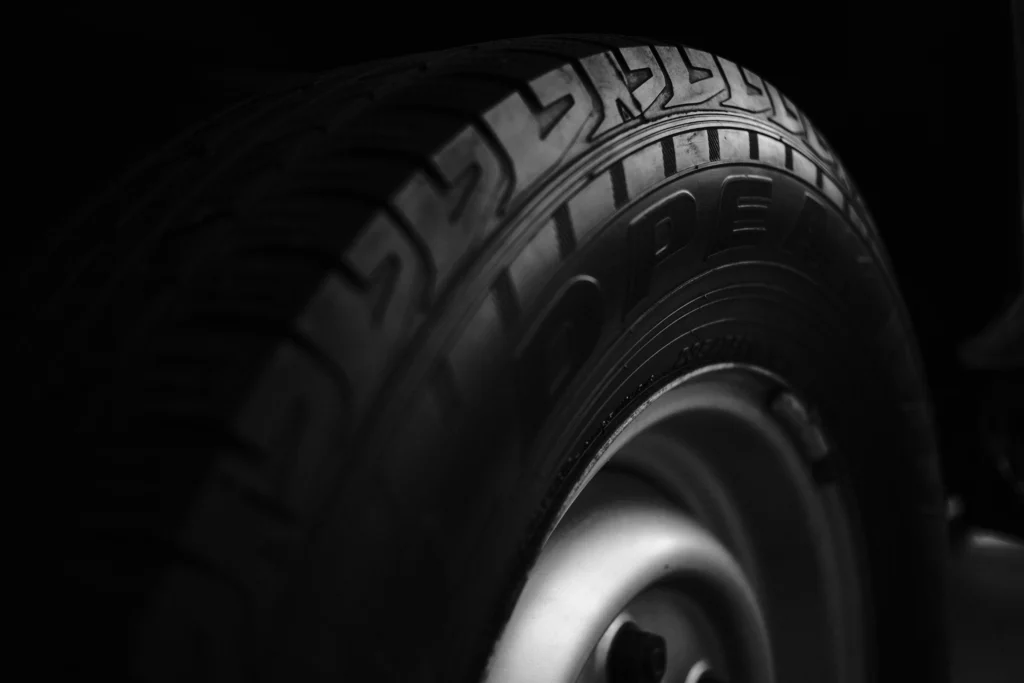
Balancing optimal acoustics with overall tire mass requires advanced manufacturing techniques, ensuring the added foam insulation does not negatively affect delicate wheel balance or aerodynamic efficiency.
When should drivers replace their specialized electric vehicle rubber?
Monitoring exact tread depth remains absolutely critical for battery-powered cars, as heavy chassis weights demand maximum grip to stop safely during sudden high-speed emergency braking situations.
Visually inspect your tread wear indicators monthly without fail, replacing the rubber immediately when the depth reaches two thirty-seconds of an inch across the central contact patch.
Read more: Energy Demand Peaks Created by Electric Truck Depots
Rotate your wheels strictly according to factory specifications, typically every six thousand miles, to promote perfectly even wear patterns across both the front and rear axles.
To study advanced material sciences, global sustainability initiatives, and strict engineering standards for electric mobility, visit the Society of Automotive Engineers (SAE International) website.
Ignoring routine maintenance schedules accelerates structural degradation rapidly, compromising expensive suspension components and jeopardizing your personal safety while driving on dangerous wet or icy roads.
Maximizing electric performance through intelligent automotive choices in 2026
Selecting appropriate EV Tires protects your significant automotive investment, directly influencing how efficiently your advanced electric car utilizes its stored battery energy on a daily basis.
Learn more: Hybrid Power Plants Strengthen Renewable Energy Reliability
Prioritize specialized rubber compounds featuring high load ratings, low rolling resistance, and acoustic dampening technology to experience true modern automotive engineering excellence safely and comfortably.
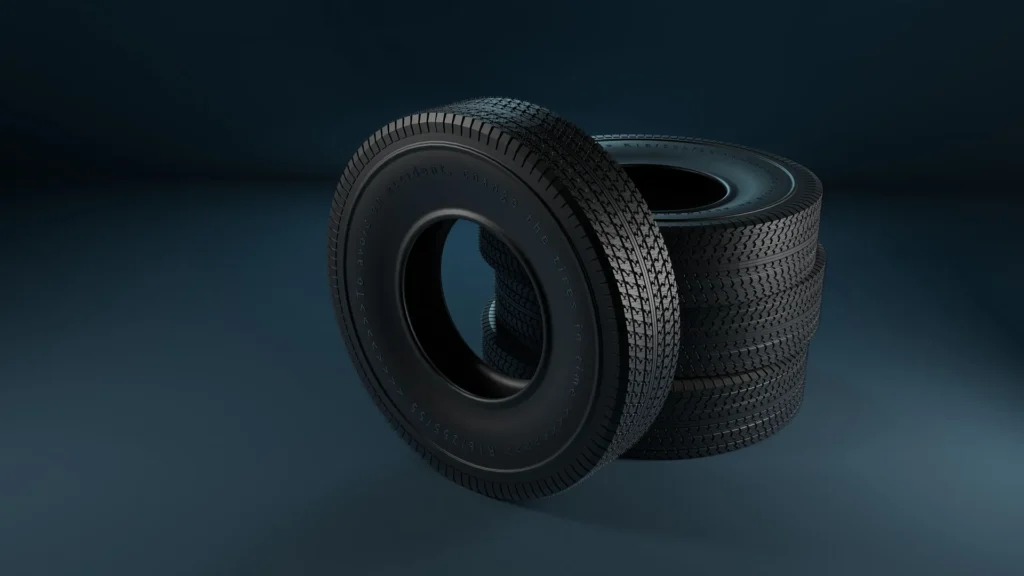
Consult certified tire professionals before mounting new rubber, guaranteeing your electric vehicle receives the exact technical specifications required for optimal handling and ultimate tread longevity.
FAQ (Frequently Asked Questions)
Can I put standard passenger tires on my electric car?
Mounting conventional rubber onto a heavy electric chassis remains highly dangerous. Standard sidewalls cannot support massive battery weights, leading to rapid blowouts and severely reduced highway range.
Do electric car tires wear out faster than normal ones?
Yes, they can wear twenty percent faster if driven aggressively. Instant torque and heavy vehicle weight increase friction, demanding smoother acceleration to preserve the rubber tread.
Are replacement costs higher for electric vehicle specific rubber?
Specialized compounds cost slightly more upfront due to advanced materials and acoustic foam, but they return immense value through increased battery range and superior driving safety.
Can a punctured electric vehicle tire be patched safely?
Certified mechanics can patch minor punctures in the tread area, provided the internal acoustic foam remains undamaged and the outer sidewall shows no signs of structural compromise.
