
Why Electric Car Insurance Claims Need Better Battery Damage Assessments
Resolving Electric Car Insurance Claims Need Better Battery evaluation standards is essential to prevent unnecessary vehicle write-offs and lower premiums for drivers globally.
Accelerating electric vehicle adoption creates unique challenges for auto insurers, particularly when minor undercarriage impacts trigger total loss declarations without detailed internal battery diagnostics.
Proprietary pack designs, sealed enclosures, and limited access to module-level telemetry force claims adjusters to make conservative estimates, raising repair costs across the automotive insurance industry.
Establishing standardized diagnostic protocols enables technicians to separate cosmetic shell scratches from critical structural degradation, protecting policyholders from premature policy cancellations and escalating deductible rates.
Transforming claim inspection workflows requires active collaboration between original equipment manufacturers, independent repair shops, and underwriting firms seeking accurate risk assessment models.
Adopting precise diagnostic procedures reduces insurance processing times, ensuring vehicle owners receive fair claims assessments while maintaining strict safety standards on public roads.
Enhancing technician training programs ensures that field adjusters possess the specialized knowledge required to interpret complex high-voltage data outputs correctly during physical inspections.
Why are electric vehicle batteries frequently written off after minor collisions?
Lack of accessible diagnostic data forces insurance adjusters to declare total losses on low-mileage vehicles displaying minor structural casing scratches after low-speed street incidents.
Sealed battery enclosures prevent field technicians from inspecting internal lithium-ion cells, creating liability concerns that compel insurance carriers to replace complete energy storage units.
| Assessment Parameter | Traditional ICE Vehicle Claim | EV Battery Pack Damage Claim |
|---|---|---|
| Primary Inspection Method | Visual teardown and frame measurement | Telemetry scan and exterior shell audit |
| Average Replacement Cost Ratio | 15% to 30% of vehicle value | 40% to 65% of total vehicle value |
| Component Repairability | High via independent body shops | Low due to sealed modular designs |
| Data Accessibility | Open OBD-II diagnostic standards | Proprietary OEM software protocols |
Comprehensive industry insights on vehicle safety testing and structural integrity standards are published by the Insurance Institute for Highway Safety.
Streamlining Electric Car Insurance Claims Need Better Battery diagnostic tools ensures claims adjusters can evaluate cell degradation without voiding original manufacturer structural warranties.
Restricted access to real-time battery management system data prevents third-party adjusters from confirming whether thermal runaways or internal shorts occurred during collision events.
Uncertainty surrounding long-term structural integrity often leads insurance providers to prioritize complete replacement over localized repairs to avoid future warranty claims.
Developing open diagnostic frameworks bridges the gap between field adjusters and vehicle telemetry, ensuring data-driven decisions replace speculative total loss declarations across the sector.
Standardized risk formulas lower administrative friction, benefiting both policyholders and insurers through faster claim resolution cycles and lower operational overhead.
How do proprietary battery designs complicate insurance claim processing?
Structural pack architectures integrate battery cells directly into vehicle chassis frames, increasing energy density while complicating physical disassembly during post-collision damage appraisals.
Cell-to-pack technology eliminates intermediate module housing, requiring technicians to replace complete battery assemblies even when localized impact damages only outer defensive shield layers.
Proprietary diagnostic software locks independent collision centers out of internal sensor networks, forcing claims officers to rely exclusively on costly dealer network repair quotes.
Absence of universal battery health benchmarks creates inconsistent repair estimates across different insurance carriers, frustrating consumers facing unexpected rate hikes upon policy renewals.
Insurance underwriters offset these assessment uncertainties by raising collision coverage premiums on battery-electric models compared to traditional internal combustion engine equivalents.
Standardizing sensor data outputs allows independent appraisers to verify pack safety quickly, ensuring minor underbody impacts do not result in wasteful vehicle scrap declarations.
Encouraging auto manufacturers to share technical specifications empowers repair networks to conduct safe disassemblies without compromising vehicle structural performance or passenger safety.
Eliminating information monopolies around battery health metrics creates a competitive repair marketplace that ultimately reduces ownership costs for daily commuters.
What technical diagnostic tools can improve damage evaluation accuracy?
Advanced impedance spectroscopy scans evaluate internal cell resistance variations without opening sealed battery casings, identifying micro-cracks before thermal stability issues manifest in real-world driving.
High-resolution thermal imaging cameras detect localized heat anomalies within module arrays during controlled charge-discharge testing cycles at certified collision repair facilities.
Connecting cloud-based diagnostic platforms directly to vehicle telemetry history allows claims adjusters to review pre-impact pack conditions versus post-collision sensor alerts accurately.
Portable battery health scanners empower field assessors to read individual cell voltages, verifying whether mechanical stress disrupted internal wiring buses or cooling channels.
Implementing non-destructive testing methodologies reduces claim processing timelines, allowing insurance companies to authorize localized module repairs rather than full pack replacements.
Broadening third-party access to diagnostic software protocols bridges the gap between insurer risk management and sustainable automotive repair practices in modern markets.
Equipping repair technicians with specialized diagnostic hardware prevents unnecessary battery replacements, reducing overall claims costs and stabilizing insurance premiums for consumers.
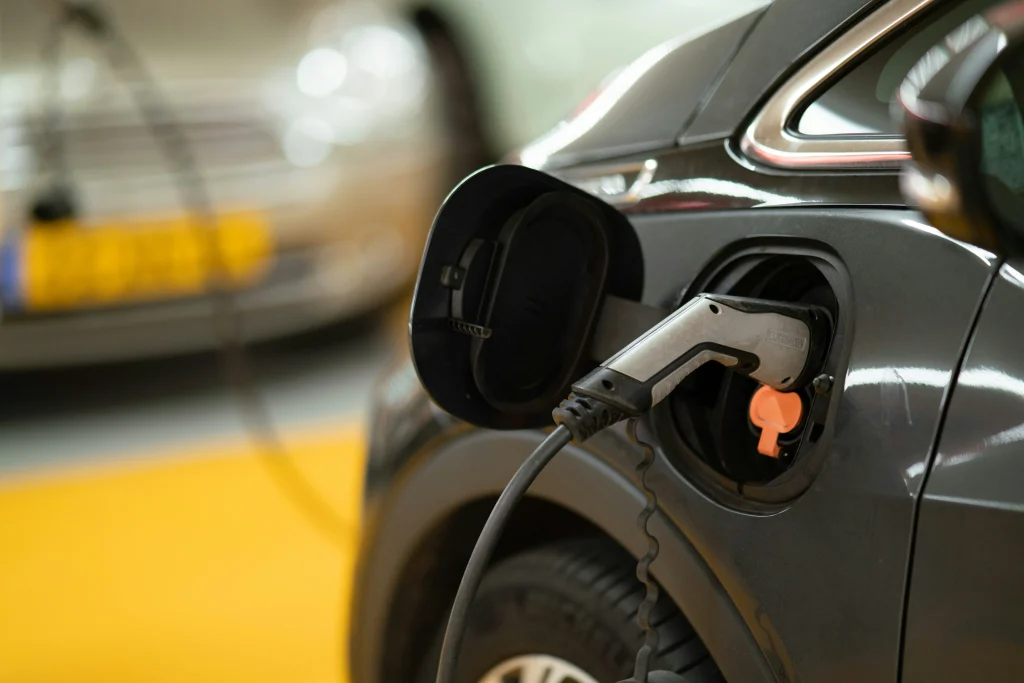
Integrating machine learning algorithms into scanner software allows technicians to predict long-term cell behavior based on real-time acoustic and thermal signature analysis.
Learn more: Repairability Scores Influencing Future Electric Car Buyers
When will standardized battery repair guidelines benefit policyholders and insurers?
Adopting unified battery assessment protocols across insurance networks stabilizes premium inflation by reducing overall claim payout totals for minor traffic accidents.
Clear repair guidelines encourage secondary market development for remanufactured battery modules, lowering replacement costs for older electric vehicles out of warranty coverage.
Regulators in major automotive markets are evaluating policies requiring vehicle manufacturers to provide open-access diagnostic ports for post-crash structural battery evaluation.
Lowering total loss rates preserves functional electric vehicles, supporting circular economy initiatives while preventing premature recycling of viable energy storage units.
Establishing certified battery inspection credentials for collision technicians ensures safety standards remain high without forcing insurers to rely on speculative replacement estimates.
Read more: Fire Safety Rules Reshape Electric Motorcycle Charging Sites
Detailed technical research on electric vehicle technology, grid integration, and battery recycling systems is available through the National Renewable Energy Laboratory.
Expanding transparent repair pathways reassures prospective buyers that owning an electric car will not result in uninsurable financial liabilities following minor road incidents.
Collaborative initiatives between auto manufacturers and insurance institutions pave the way for sustainable pricing models that accurately reflect real-world vehicle repairability.
Creating unified evaluation benchmarks gives financial institutions greater confidence when structuring long-term auto loans and underwriting extended battery warranties.
Conclusion
Resolving how Electric Car Insurance Claims Need Better Battery inspection standards protects consumers from inflated premiums and unwarranted total loss vehicle declarations.
Learn more: What Insurance Companies Are Saying About Electric Cars in 2025
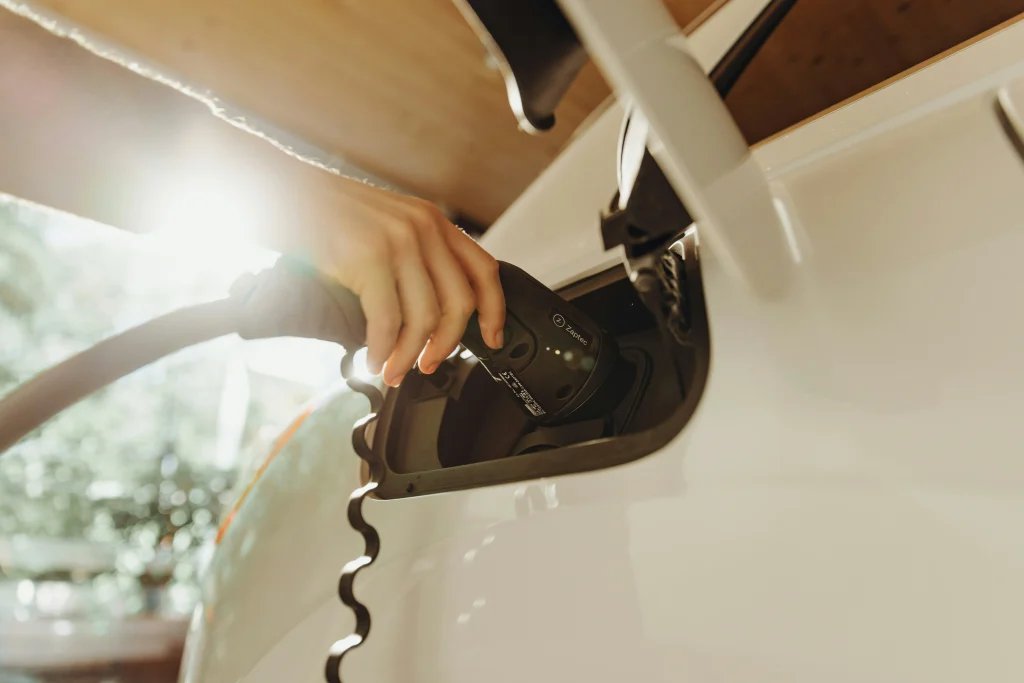
Developing open diagnostic tools, modular pack architectures, and clear repair guidelines establishes a sustainable, cost-effective future for global electric mobility ecosystems.
Frequently Asked Questions (FAQ)
Why does a minor underbody scrape cause an electric car to be totaled?
Insurance adjusters total vehicles when they cannot verify internal cell integrity due to sealed pack designs, fearing future thermal runaway liabilities.
Can independent repair shops fix damaged electric vehicle battery packs?
Most independent shops currently lack the proprietary software, specialized safety equipment, and manufacturer authorization required to repair sealed structural battery packs safely.
How do battery damage claims impact overall electric car insurance rates?
High battery replacement costs and frequent total loss declarations force insurance companies to raise premium rates across all electric vehicle policy tiers.
