
What Insurance Companies Are Saying About Electric Cars in 2025
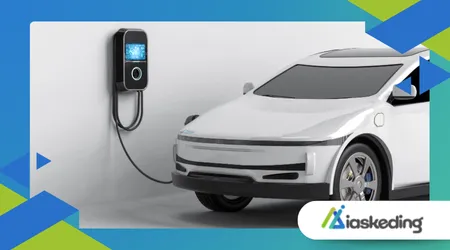
What Insurance Companies Are Saying About Electric Cars is a pressing question as the electric vehicle (EV) market continues to expand.
The conversation has evolved from a simple “yes or no” on coverage to a nuanced discussion of risk, technology, and evolving repair ecosystems.
This shift marks a critical turning point for both consumers and insurers.
For years, insuring an EV was a financial gamble. Insurers, lacking comprehensive data, often charged exorbitant premiums based on the high cost of the vehicle and its battery.
Today, the industry is more sophisticated. Insurers have gained valuable data from millions of EV policies. The early blanket premiums are giving way to more granular risk assessments.
Companies are beginning to differentiate between a simple EV and its complex components. This understanding is key to a more equitable insurance market.
The Core Challenge: Repair and Replacement Costs
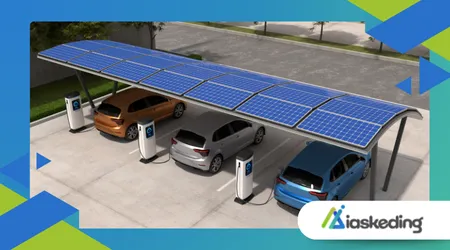
The primary driver behind high EV premiums remains the cost of repairs. Unlike internal combustion engine (ICE) vehicles, EVs contain unique and often expensive components.
A minor fender-bender that might cost a few thousand dollars to fix on a gasoline car can easily become a five-figure repair for an EV.
For instance, a seemingly innocuous rear-end collision on a 2024 Rivian R1T can compromise its integrated battery pack.
The structure surrounding the battery is crucial. Even minor damage to the pack’s housing can require a full and costly replacement. This repair can reach tens of thousands of dollars.
Specialized components are another major factor. The sensors and wiring for a Tesla’s Autopilot system are intricate and costly.
++The Impact of Electric Trucks on Urban Noise Pollution
They require specialized technicians and can’t be repaired at just any auto body shop.
A 2024 study by the Insurance Institute for Highway Safety (IIHS) found that average repair costs for EVs were approximately 20% higher than for comparable gas-powered vehicles.
The Evolving Underwriting Model
Insurance companies are no longer just looking at the sticker price of the car. They are embracing technology to better understand driver behavior and manage risk.
This is where the rise of telematics becomes an exciting variable for consumers.
++EVs in the Real World: Traffic Jams, Detours, and Charging Fails
Telematics devices, which can be an app on a smartphone or a small dongle in the car, track driving habits. They monitor factors like braking, acceleration, and mileage.
This data provides insurers with a more accurate picture of a driver’s true risk profile. A responsible EV driver might be rewarded with significant discounts.
Consider a driver who leases a 2025 Hyundai Ioniq 6 for city commuting. They drive conservatively and only put on 8,000 miles a year.
++The Pros and Cons of Using a Portable EV Charger on Road Trips
With a telematics-based policy, their premium could be much lower than that of a driver with the same car who commutes a long distance at high speeds. This personalized approach benefits both sides.
A Tale of Two Policies: A Look at the Numbers
To truly grasp the dynamics at play, it’s helpful to see a direct comparison.
Here’s a realistic breakdown of factors considered for two comparable vehicles from 2024: a gasoline-powered Honda Accord and a fully electric Tesla Model 3.
| Cost Factor | 2024 Honda Accord | 2024 Tesla Model 3 |
| Average Initial Premium | $1,800 | $2,700 |
| Typical Collision Repair | $4,500 | $8,500 |
| Battery Replacement Risk | N/A | $18,000 – $25,000 |
| Specialized Labor Costs | Moderate | High |
| Available Parts | Readily available | Often delayed/special order |
The table above illustrates the key financial differentiators. The higher initial premium for the Tesla is directly linked to the increased risk of a high-cost repair.
What Insurance Companies Are Saying About Electric Cars is that this risk needs to be properly priced. However, this is just a snapshot. New variables are entering the equation.
Beyond the Basics: Innovation and Adaptation
As the EV ecosystem matures, so do the solutions for mitigating insurance risk. The number of certified repair shops is growing rapidly.
This increased competition is helping to bring down labor costs. Furthermore, the supply chain for replacement EV parts is becoming more robust.
The insurance industry’s relationship with EVs is like a gardener learning to tend a new, exotic plant. They are learning to nurture it properly.
Read more: Electric Vehicle Insurance
Insurers are also considering the broader risk profile of EVs. The data shows that in a crash, a gas-powered car has a higher likelihood of igniting than a battery fire in an EV.
This is a subtle yet significant factor. After all, isn’t the true measure of risk not the price of the part, but the probability of needing it?
What Insurance Companies Are Saying About Electric Cars
Across the board, the message from the insurance world is one of cautious optimism and adaptation. They are not retreating from the EV market; they are reshaping their approach.
This new stance is driven by better data and a deeper understanding of the technology. Insurers are developing new policy models.
They are shifting from a static premium to a dynamic one. This dynamic model is based on telematics, driving habits, and vehicle-specific data.
What Insurance Companies Are Saying About Electric Cars now is that the risk is manageable, but requires new tools. They are working with manufacturers to improve repairability.
This is why you’re seeing partnerships between major insurers and EV brands. The goal is to design cars that are easier and cheaper to fix.
This will ultimately drive down costs for everyone. The future of EV insurance is personalized.
The industry has moved past its initial apprehension and is now actively finding solutions.
What Insurance Companies Are Saying About Electric Cars is that they are here to stay, and the insurance models will adapt.
Consumers should expect a more transparent and individualized premium. This is a healthy sign of a maturing market.
Conclusion
The evolution of EV insurance is a fascinating case study in market adaptation. The initial sticker shock of high premiums is gradually being replaced by a more nuanced pricing structure.
This change is driven by real-world data, technological innovation, and a growing understanding of EV technology.
The conversation has shifted from fear to careful calculation.
The path ahead involves continued collaboration between automakers and insurers. The ultimate goal is to make EV ownership financially predictable for the average consumer.
As we look to the future, the cost of insuring an EV will be less about the vehicle itself and more about how you drive it.
Frequently Asked Questions
Q: Why is electric car insurance more expensive?
A: The repair and component replacement costs, such as for the battery and sensors, are higher. Specialized labor also drives up prices, but the cost is coming down as more shops become equipped to handle EVs.
Q: Will my insurance rate go down as more EVs are sold?
A: The trend suggests it will. As more data becomes available and repair technology advances, insurers can offer more competitive premiums. Competition in the insurance market can also lead to lower prices.
Q: What can I do to lower my electric car insurance rate?
A: Consider a telematics-based policy to be rewarded for safe driving habits. It’s also worth installing a secure home charger and checking your vehicle’s safety credentials, as some insurers offer discounts for these factors.
