
Tire Rolling Resistance Impacting Electric Truck Range
Understanding Tire Rolling Resistance Impacting heavy-duty electric commercial vehicles remains a pivotal technical priority for fleet managers aiming to optimize battery range and operational efficiency.
Unlike internal combustion engines, battery-electric trucks carry massive energy storage systems that increase overall vehicle curb weight, intensifying tire deformation under heavy payload conditions.
Because rolling friction accounts for up to one-third of total energy consumption at highway speeds, selecting specialized low rolling resistance tires directly dictates operational range capabilities.
Analyzing tire compound engineering, inflation pressure management, tread design geometry, and real-world testing metrics equips fleet operators with actionable strategies to maximize single-charge distances efficiently.
What Is Tire Rolling Resistance and How Does It Affect Electric Truck Energy Consumption?
Rolling resistance represents the energy loss occurring as a rotating tire deforms under load, generating internal hysteresis heat within the rubber matrix layers.
Heavy electric trucks amplify this physical phenomenon because battery packs add several thousand pounds, causing greater tire sidewall flex and tread distortion during rotation.
Every kilowatt-hour spent overcoming tire drag reduces the energy available to propel the vehicle forward, shrinking total driving range across regional transport routes.
Addressing Tire Rolling Resistance Impacting commercial EV efficiency requires balancing mechanical grip, thermal stability, tread longevity, and energy conservation during daily highway operations.
How Does Advanced Tread Compound Engineering Reduce Energy Loss?
Tire manufacturers combine synthetic polymers, specialized silica fillers, and functionalized silanes to minimize internal molecular friction while maintaining essential wet-braking traction performance.
High-silica rubber formulations maintain flexibility across varying operating temperatures, reducing the energy dissipated as waste heat during continuous heavy-haul transport tasks.
Reinforced sidewall construction prevents excessive carcass flexing without sacrificing ride comfort or structural integrity under maximum gross vehicle weight ratings.
Optimizing tread depth geometry and block rigidity prevents squirming against asphalt surfaces, reducing frictional drag during acceleration and regenerative braking maneuvers.
Technical Comparison of Commercial Electric Truck Tire Configurations
| Tire Category & Architecture | Rolling Resistance Coefficient (RRC) | Relative Range Impact (%) | Tread Life Expectancy (Miles) | Primary Application Profile |
| Standard Regional Haul Tires | 5.5 – 6.5 kg/tonne | Baseline Range (100%) | 120,000 – 150,000 miles | Mixed local delivery and city routes |
| Premium Low Rolling Resistance (LRR) | 4.0 – 4.8 kg/tonne | +8% to +12% Range Gain | 100,000 – 130,000 miles | Highway freight and long-haul transport |
| Ultra-Low Rolling Resistance (ULRR) | 3.2 – 3.8 kg/tonne | +14% to +18% Range Gain | 90,000 – 110,000 miles | Dedicated interstate electric corridors |
| Wide-Base Single Tires (Super Singles) | 3.5 – 4.2 kg/tonne | +10% to +15% Range Gain | 110,000 – 135,000 miles | Weight-sensitive long-distance hauling |
Why Is Proper Inflation Pressure Critical for Electric Fleet Optimization?
Under-inflated tires expand their contact patch area, causing severe sidewall flexing that significantly elevates rolling resistance metrics across all axle positions.
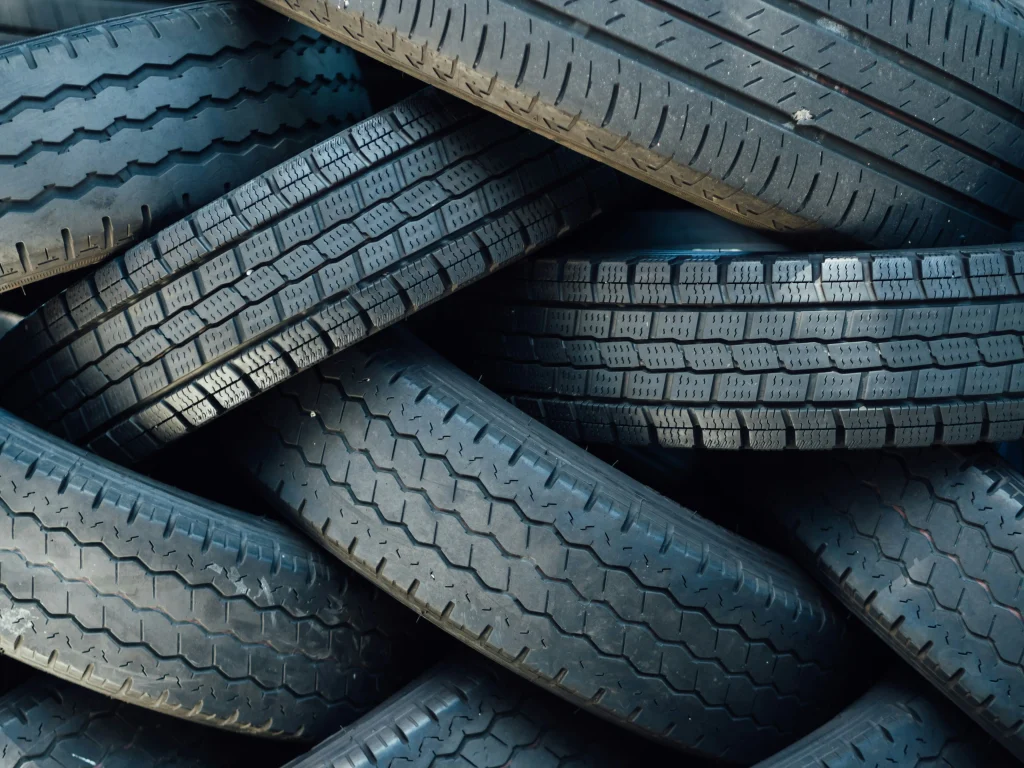
A drop of just ten pounds per square inch below recommended levels increases rolling friction enough to reduce total battery range by three to five percent.
Learn more: Aerodynamic Trailer Design Boosting Electric Truck Efficiency
Automated tire pressure monitoring systems integrated into fleet telematics provide real-time pressure alerts, allowing maintenance crews to correct pressure deficits immediately.
Review testing protocols, safety regulations, and commercial vehicle efficiency standards established by the U.S. Department of Transportation (DOT) for fleet compliance guidance.
Which Maintenance Strategies Maximize Tread Life and Range Retention?
Regular wheel alignment checks prevent uneven tread wear patterns that increase rolling resistance and force premature tire replacements across commercial tractor-trailer units.
Rotating tires systematically across steer, drive, and trailer axles balances wear rates, maintaining uniform rolling circumference and predictable energy consumption characteristics.
Read more: EV Tires: What’s Different and Why They Matter
Monitoring retread rubber quality ensures that re-capped casings utilize low rolling resistance tread compounds specifically formulated for heavy-duty electric torque demands.
Managing Tire Rolling Resistance Impacting overall fleet economics demands combining high-efficiency hardware selection with rigorous, routine pressure maintenance protocols across all vehicles.
How Will Next-Generation Tire Technologies Shape Future Electric Trucking?
Smart tires equipped with embedded micro-sensors stream real-time load, temperature, and tread wear data directly to vehicle central management computers.
Generative artificial intelligence algorithms optimize regenerative braking force distribution based on dynamic tire grip levels, maximizing energy recovery without slipping.
Non-pneumatic airless tire designs currently under development eliminate pressure maintenance entirely while delivering ultra-consistent rolling resistance performance over prolonged usage cycles.
Learn more: Swap Station Pricing Models Reshape Electric Motorcycle Costs
Explore heavy-duty vehicle research initiatives, decarbonization studies, and transportation energy technologies hosted by the National Renewable Energy Laboratory (NREL) to track industry advancements.
Frequently Asked Questions (FAQ)
How much driving range can low rolling resistance tires add to an electric truck?
Switching from standard commercial tires to ultra-low rolling resistance models can increase total single-charge driving range by ten to eighteen percent depending on speed.
Do low rolling resistance tires wear out faster on electric trucks?
Electric trucks exert high instant torque and carry heavy battery weights, which can accelerate wear on soft, energy-efficient tread compounds if unmanaged.
Are wide-base single tires better for electric truck range than dual tires?
Yes, replacing dual tires with wide-base single tires reduces overall wheel weight and cuts aerodynamic drag, significantly improving energy efficiency and battery range.
Does cold weather affect tire rolling resistance and EV range simultaneously?
Cold weather lowers tire pressure and makes rubber compounds stiffer, compounding battery performance drops with increased rolling friction during winter operations.
Managing Tire Rolling Resistance Impacting heavy-duty electric trucks provides fleet operators with a cost-effective strategy to unlock additional battery range without hardware modifications. Implementing high-efficiency tire technologies alongside automated maintenance programs ensures maximum fleet productivity, reduced cost per mile, and superior operational sustainability.
