
Weight Regulation Updates Shaping Electric Truck Design
Understanding how weight regulation updates shaping electric commercial vehicles alter engineering priorities is critical for fleet operators, original equipment manufacturers, and logistics managers navigating freight decarbonization.
Heavy-duty battery-electric Class 8 trucks carry massive energy storage systems, creating significant tare weight penalties compared to conventional diesel counterparts operating under strict highway gross vehicle weight constraints.
Legislative adjustments across North America and Europe now grant zero-emission trucks elevated gross vehicle weight limits, directly mitigating payload losses while forcing engineers to optimize chassis strength and axle weight distribution.
This technical transformation redefines battery packaging, structural cab engineering, regenerative braking integration, and tire load ratings across major commercial vehicle platforms, accelerating sustainable heavy-haul logistics globally.
How do legislative weight allowances offset battery weight penalties?
Regulatory frameworks traditionally cap maximum gross vehicle weights for commercial freight transport to preserve highway pavement durability and protect bridge infrastructure from excessive mechanical stress.
Because large lithium-ion traction batteries add thousands of pounds to total vehicle curb weight, electric rigs faced severe payload capacity reductions under legacy highway regulations.
Recent statutory updates provide dedicated weight exemptions for alternative-fuel commercial vehicles, allowing zero-emission Class 8 tractors additional gross weight capacity above standard highway limits.
Analyzing weight regulation updates shaping vehicle architecture reveals that these extra weight allowances enable engineers to install high-capacity battery packs without compromising freight capacity or logistics productivity.
What engineering changes optimize axle weight distribution in electric trucks?
Adding heavy battery enclosures requires completely redesigning chassis frame rails, cross-members, and front and rear suspension mounting points to balance load forces across each axle.
Engineers increasingly shift battery modules forward or integrate them centrally within internal frame rails to prevent exceeding legal single-axle or tandem-axle weight limitations.
Deploying integrated e-axles—combining electric motors, multi-speed transmissions, and power electronics directly into the drive axle assembly—frees up valuable chassis space between side rails.
This structural packaging flexibility allows vehicle architects to optimize center of gravity dynamics, improve rollover stability, and maintain strict compliance with federal bridge formula weight formulas.
Structural Impact of Weight Regulations on Commercial Vehicle Design
| Engineering Domain | Traditional Diesel Configuration | Battery-Electric Adjusted Design | Operational Design Benefit |
| Gross Vehicle Weight Ceiling | Standard 80,000 lbs national limit | Up to 82,000 lbs (US) / 44 tonnes (EU) | Preserves commercial payload capacity equality |
| Drive Axle Configuration | Mechanical driveshafts with differential | Compact e-axle integrated drivetrain assemblies | Frees frame space for battery pack installation |
| Chassis Material Composition | High-strength structural steel rails | Extruded aluminum alloys and high-tensile steel | Offsets battery mass through lightweighting |
| Tire Load Classification | Standard commercial radial tires | High-load capacity (HL) specialized tires | Manages elevated steer and drive axle pressures |
Why is structural lightweighting essential despite higher weight limits?
Even with statutory weight exemptions, minimizing non-battery structural mass remains vital for maximizing energy efficiency, expanding driving range, and reducing total total cost of ownership.
Automakers utilize advanced extruded aluminum battery housings, composite cab panels, and high-tensile steel frame members to shave unnecessary pounds from the unladen vehicle chassis.
Read more: Payload Weight Challenges Facing Electric Truck Adoption
Every pound saved through structural lightweighting can be converted into additional freight payload capacity or dedicated toward expanding total usable battery pack capacity.
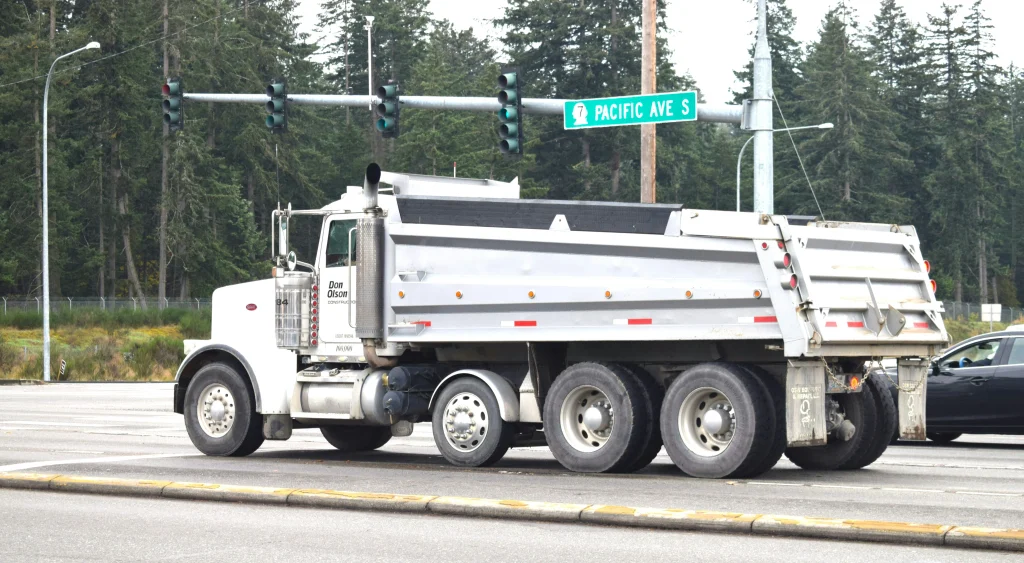
To review official highway preservation standards, axle load guidelines, and federal bridge formula calculations, examine technical resources from the Federal Highway Administration.
Which powertrain components are evolving due to new weight rules?
Higher permitted gross weights demand increased continuous torque production and advanced thermal management systems to sustain highway speeds on steep incline mountain grades.
Regenerative braking systems must handle elevated kinetic energy levels during deceleration, reducing mechanical brake wear while capturing valuable electrical energy back into high-voltage storage cells.
Furthermore, suspension systems are transitioning toward adaptive air-ride setups capable of automatically adjusting ride height and damping rates based on real-time payload mass calculations.
Learn more: Lightweight Trailers Extending Electric Truck Driving Range
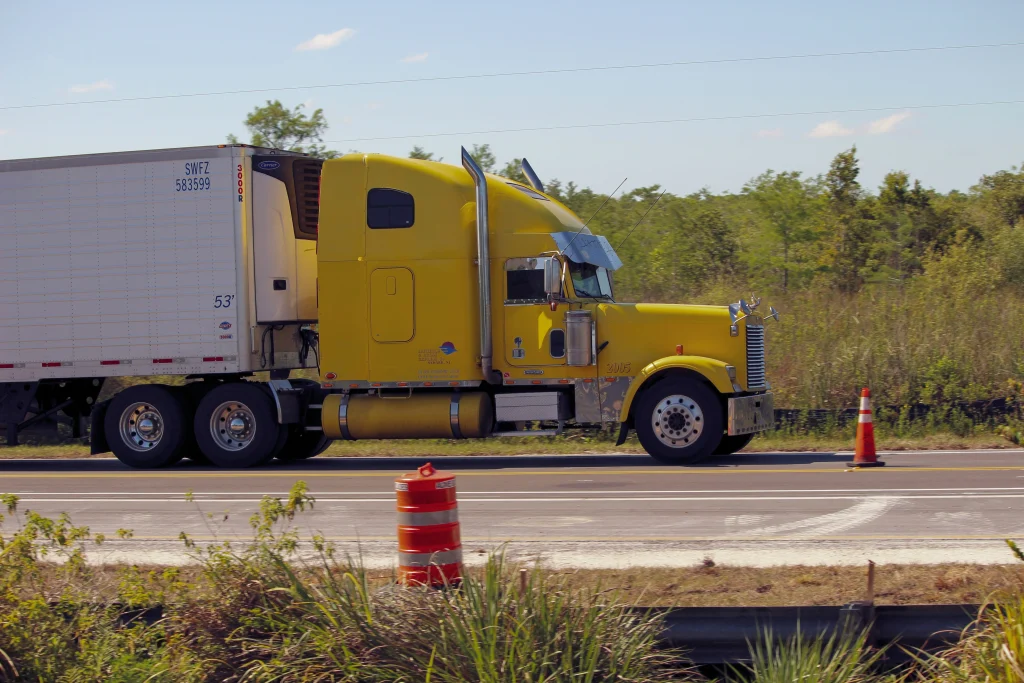
Observing weight regulation updates shaping component selection shows component suppliers developing higher energy density solid-state cells and silicon carbide power inverters to minimize overall powertrain footprint.
To explore international heavy-duty emission standards, zero-emission vehicle mandates, and commercial transport policy research, visit the official portal of the International Council on Clean Transportation.
FAQ – Frequently Asked Questions
What is the maximum gross weight limit for electric Class 8 trucks in the US?
Federal regulations allow qualified zero-emission electric Class 8 commercial trucks up to 82,000 pounds gross vehicle weight, providing a 2,000-pound exemption over diesel vehicles.
Learn more: Lightweight Vehicle Designs Advancing Electric Transport Markets
Do weight regulations differ between federal interstate highways and state roads?
Yes, federal exemptions apply specifically to interstate highway corridors, though individual state DOT laws govern weight limits, permits, and exemptions on regional state routes and local roads.
How do heavier battery-electric trucks affect tire wear and specifications?
Heavier curb weights require specialized high-load capacity tires with reinforced sidewalls and advanced tread compounds engineered to handle instant electric motor torque and higher load stress.
Adapting to weight regulation updates shaping commercial vehicle engineering ensures that electric heavy-duty fleets maintain freight efficiency while accelerating transition toward zero-emission transportation networks.
