
How Battery Pack Design Influences the Payload of Electric Heavy-Duty Trucks
Optimizing battery pack design stands as the central engineering challenge for electric heavy-duty truck manufacturers seeking to maximize freight payload capacity while maintaining operational driving range.
Heavy commercial vehicles face strict gross vehicle weight ratings, meaning every additional kilogram of energy storage system directly reduces the legal cargo weight fleet operators can haul.
Innovative cell chemistries, structural integration methods, and lightweight casing materials now allow automotive engineers to increase energy density without adding unnecessary gravimetric mass to heavy-duty chassis designs.
Understanding how cell arrangements, thermal management systems, and modular architectures impact overall vehicle mass is essential for logistics managers transitioning corporate fleets toward zero-emission transportation.
How does energy density directly impact maximum legal freight capacity?
Gross vehicle weight regulations cap total truck mass, forcing engineers to balance energy storage requirements against net cargo weight capacity for long-haul transport routes.
Higher gravimetric energy density allows battery packs to store equivalent kilowatt-hours using less physical material mass, directly preserving available payload capacity for commercial freight operations.
| Battery Pack Technology & Architecture | Gravimetric Energy Density (Pack Level) | Est. Weight for 500 kWh System | Impact on Heavy-Duty Freight Payload |
| Traditional LFP (Cell-to-Module) | 140 to 160 Wh/kg | 3,125 to 3,570 kg | Higher mass penalty; best for short-haul regional delivery |
| Advanced NMC / NCA (Cell-to-Module) | 180 to 210 Wh/kg | 2,380 to 2,770 kg | Moderate payload trade-off; balanced for mid-range logistics |
| Cell-to-Pack (CTP) LFP Architecture | 170 to 190 Wh/kg | 2,630 to 2,940 kg | Improved volumetric density; eliminates intermediate module housing |
| Cell-to-Chassis (CTC) Solid-State | 240 to 280 Wh/kg | 1,780 to 2,080 kg | Maximizes payload retention; minimizes structural chassis overhead |
Regulatory standards, heavy-duty vehicle classifications, and clean transportation technical guidelines are published by the U.S. Environmental Protection Agency, serving as an official regulatory authority.
Refining battery pack design through cell-to-pack engineering eliminates intermediate module enclosures, significantly reducing non-active structural dead weight inside the battery enclosure.
Integrating battery cells directly into the vehicle frame structure transforms the energy storage enclosure into a load-bearing member, eliminating redundant chassis support cross-members.
Liquid cooling plates embedded thin-wall thermal channels replace bulky external heat exchangers, further trimming unwanted kilograms to optimize cargo capacities across regional transport networks.
Why are structural battery packs reshaping Class 8 truck engineering?
Structural battery designs merge energy storage components directly into the truck chassis rail system, distributing structural torsional rigidity throughout the central floor structure.
Eliminating heavy outer protective cages allows engineers to offset cell weight penalties while maintaining essential crash safety performance during highway operations.
Distributing cell mass evenly between front steer axles and rear drive tandems prevents individual axle overload violations under full commercial freight conditions.
Lowering the overall center of gravity improves high-speed vehicle stability, reducing chassis frame flex and enhancing tire longevity over long-distance highway routes.
Which cell chemistries offer the optimal weight-to-range ratio for freight?
Nickel Manganese Cobalt chemistries deliver high gravimetric energy density, making them preferred choices for long-haul routes requiring maximum payload preservation.
Lithium Iron Phosphate chemistries offer superior thermal stability and longer cycle life, though lower energy density adds extra battery mass to the chassis.
Emerging solid-state technologies promise substantial mass reductions by replacing liquid electrolytes with dense metallic lithium anodes, raising pack-level energy density limits significantly.
Selecting chemistry configurations requires evaluating daily route distances against cargo mass requirements to prevent carrying unnecessary battery weight over short-haul delivery loops.
How does thermal management system design affect overall chassis weight?
Active liquid cooling loops using aluminum cold plates optimize cell operating temperatures, preventing thermal degradation while keeping cooling component mass manageable.
Direct immersion cooling solutions submerge cells in dielectric fluids, offering rapid heat dissipation during megawatt-level charging sessions without heavy copper heat sinks.
Phase-change thermal materials absorb sudden heat spikes during heavy uphill grade climbing, minimizing continuous coolant pump power demands and radiator sizing requirements.
Integrating battery thermal loops with electric drive motor cooling circuits eliminates redundant pumps and coolant reservoirs, saving critical weight across the propulsion assembly.
Technical whitepapers, vehicle engineering standards, and mobility technology resources are maintained by SAE International, a global leader in automotive standards.
Learn more: Battery Sharing Models Could Lower Electric Motorcycle Costs
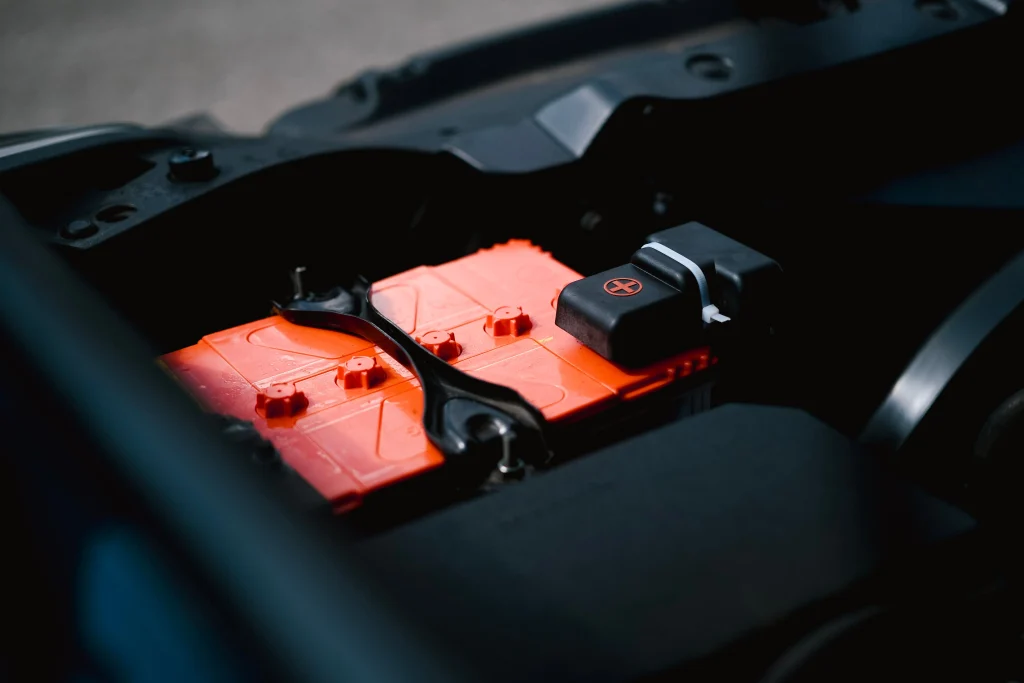
Re-engineering battery pack design remains the primary lever for commercial vehicle manufacturers aiming to eliminate the payload gap between electric and diesel trucks.
Adopting advanced materials, structural integration, and efficient thermal systems ensures zero-emission heavy-duty trucks meet the rigorous productivity demands of modern freight logistics.
When will electric heavy-duty trucks achieve payload parity with diesel vehicles?
Weight exemptions granted by regulatory bodies allow electric heavy-duty trucks additional gross weight allowances to offset battery mass penalties on highways.
Cell-level energy density improvements approaching three hundred watt-hours per kilogram will allow future battery packs to match traditional diesel powertrain mass profiles closely.
Lightweight composite casings using carbon fiber or advanced aluminum alloys replace heavy steel enclosures, further closing the remaining payload gap for long-haul transport fleets.
Read more: Battery Enclosure Designs Strengthening Electric Car Safety
Optimizing auxiliary system power draw preserves battery state of charge, allowing logistics operators to specify smaller battery capacities for fixed daily delivery routes.
Conclusion
Innovations in battery architecture, cell chemistry, and structural frame integration are rapidly diminishing the weight penalties historically associated with heavy-duty electric trucks.
Learn more: Battery Utilization Rates Matter for Electric Motorcycle Swaps

Eliminating module enclosures and utilizing structural battery enclosures allows commercial fleet managers to maximize legal payload capacity without compromising driving range.
Continued advances in solid-state cells and thermal management will fully align electric truck capabilities with traditional internal combustion freight operations.
Frequently Asked Questions (FAQ)
How much extra weight does a heavy-duty electric truck battery add compared to diesel?
Electric truck battery packs typically add between 1,500 and 3,500 kilograms of mass compared to a traditional diesel engine and fuel system assembly.
Do regulations allow electric trucks to carry heavier gross weights?
Yes, many jurisdictions, including the United States and European Union, grant electric Class 8 trucks up to 2,000 extra pounds (or ~1,000 kg) in gross vehicle weight allowances.
What is the difference between Cell-to-Module and Cell-to-Pack design?
Cell-to-Module groups cells into sub-units before installing them into a pack, whereas Cell-to-Pack integrates cells directly into the main enclosure, saving structural weight.
