
The Rise of Ultra-Fast Charging: What It Means for You
Witnessing the rise of ultra-fast charging has fundamentally transformed the consumer perception of electric vehicles, turning long-distance road trips from meticulously planned logistical challenges into effortless journeys.
For years, skeptics pointed to prolonged charging stopovers as a primary barrier to widespread electric vehicle adoption.
Today, next-generation charging stations deliver immense amounts of power directly to vehicle battery packs, slashing station dwell times to match traditional gas station visits.
This technical milestone shifts the narrative from range capacity to replenishment speed, paving the way for seamless mass-market integration.
What defines ultra-fast charging technology in the current automotive landscape?
Industrial classification systems separate vehicle charging infrastructure into distinct tiers based on voltage delivery, alternating current conversions, and direct current output capabilities.
Standard home charging units utilize alternating current, whereas public high-power stations bypass the vehicle’s internal onboard charger to deliver direct current straight to the cells.
While traditional fast chargers capped power delivery around fifty kilowatts, modern ultra-fast hardware pushes outputs anywhere from one hundred and fifty to an impressive three hundred and fifty kilowatts.
This massive leap in power delivery requires robust infrastructural upgrades, transforming standard highway rest stops into high-capacity electrical substations.
Capitalizing on the rise of ultra-fast charging requires a vehicle equipped with advanced battery architecture capable of accepting high current loads without overheating.
Automators increasingly favor eight-hundred-volt electrical systems over legacy four-hundred-volt setups, effectively doubling charging speeds while reducing cable thickness and vehicle weight.
How do vehicle thermal management systems protect battery longevity during rapid refueling?
Pumping hundreds of kilowatts into a lithium-ion battery pack inherently generates immense kinetic heat due to the internal resistance of the chemical cells.
Without advanced thermal regulation, excessive heat buildup would accelerate internal cell degradation, permanently reducing the overall energy retention capacity of the pack.
To mitigate this operational risk, electric vehicle engineers implement active liquid cooling loops that circulate specialized glycol-based coolants throughout the structural battery housing.
These smart systems monitor individual cell temperatures in real time, adjusting fluid flow rates to maintain an optimal thermal window during intense charging cycles.
To track clean energy policies, review national infrastructure development grants, and access educational materials regarding consumer transportation sustainability initiatives, the U.S. Department of Energy (energy.gov) serves as a primary federal authority on energy technology advancement.
| Charging Infrastructure Tier | Standard Power Output Range | Average Time to Add 200 Miles | Common Location Types | Primary Technical Limitation |
| Level 2 (AC Charging) | 7 kW to 19 kW | 4 to 8 Hours | Residential garages, workplaces | Limited by vehicle onboard converter |
| DC Fast (Standard) | 50 kW to 100 kW | 40 to 60 Minutes | Urban shopping centers, supermarkets | Thermal throttling on prolonged sessions |
| Ultra-Fast (High Output) | 150 kW to 250 kW | 15 to 25 Minutes | Major highway corridors, rest stops | Requires 400V/800V advanced architecture |
| Hyper-Charging (Next-Gen) | 350 kW and Above | 10 to 12 Minutes | Dedicated commercial energy hubs | High grid strain; limited vehicle support |
Why does the electrical grid require stationary storage buffer systems?
Connecting multiple three-hundred-and-fifty-kilowatt charging dispensers to a single localized grid location creates massive, unpredictable surges in regional electricity demand.
When several vehicles hook up simultaneously during peak holiday travel hours, the sudden electrical draw can strain local distribution transformers.
Grid operators address this infrastructural challenge by installing large stationary battery storage banks directly alongside public high-output charging stations.
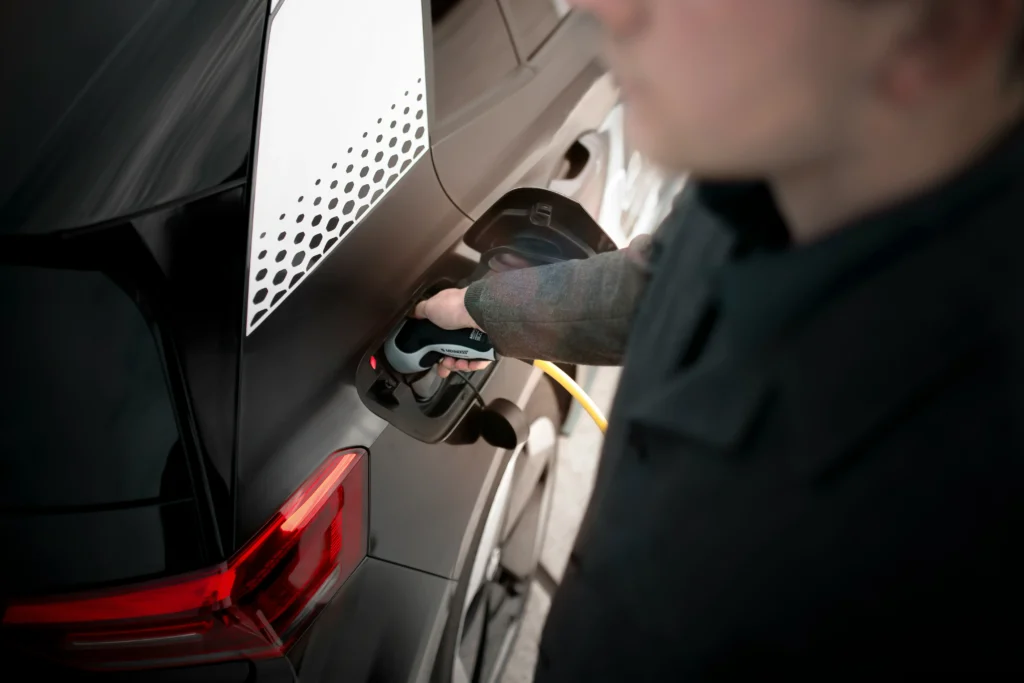
These stationary batteries slowly draw power from the main grid during low-demand periods, storing energy to assist the local station during peak usage.
Learn more: Highway Fast Charging Speed Plateau Above Eighty Percent
Integrating localized storage cushions the broader electrical grid from volatile demand spikes while ensuring consistent charging performance for drivers, regardless of station occupancy.
Furthermore, this buffering mechanism allows operators to blend renewable solar energy into the storage banks, lowering the carbon footprint of every mile driven.
Which vehicle segments benefit most from rapid energy replenishment networks?
While daily urban commuters typically rely on convenient overnight home charging setups, long-haul commercial logistics fleets depend entirely on rapid public charging networks.
Long-haul electric semi-trucks and regional delivery vans must minimize downtime to maintain tight operational schedules and profitability.
Read more: Electric Transport Trolleybus Systems Returning Fast
The ongoing expansion of high-output highway corridors allows fleet operators to transition away from diesel power without sacrificing long-range delivery efficiency.
This infrastructural evolution significantly lowers overhead maintenance costs and operational tailpipe emissions across the global logistics supply chain.
To explore international automotive engineering standards, evaluate peer-reviewed research papers on battery chemistry advancements, and analyze global mobility technology trends, the SAE International (sae.org) platform offers the most comprehensive technical database for mobility professionals.
Empowering your driving future through advanced charging networks
Embracing the electric transition no longer demands compromises regarding your personal freedom, daily time management, or spontaneous long-distance travel plans.
Learn more: Electric Motorcycle Fast Charging vs Heat Tradeoffs
The continuous expansion of rapid energy networks ensures that your vehicle spends less time tethered to a plug and more time on the open road.
Examine the power output parameters outlined in our infrastructure tier matrix, select vehicles utilizing advanced high-voltage architectures, and utilize smart route planners to identify high-output stations.
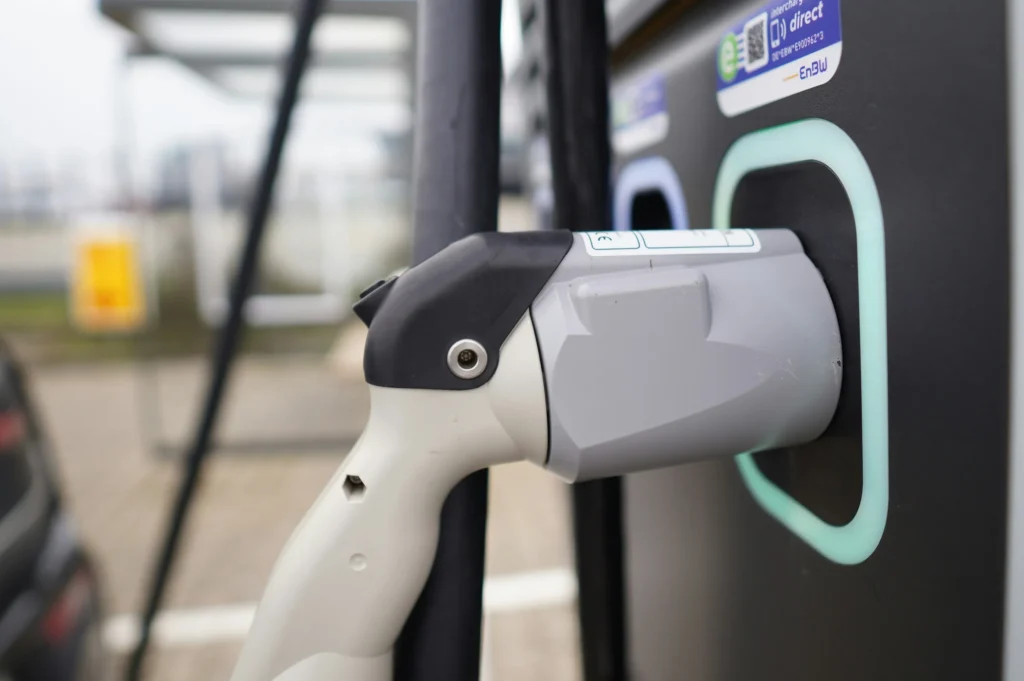
By aligning your purchasing decisions with the rise of ultra-fast charging, you secure a highly efficient, future-proof driving experience.
Frequently Asked Questions About Ultra-Fast Charging
Does frequent ultra-fast charging ruin the health of an electric vehicle battery pack?
While continuous high-heat exposure can accelerate wear, modern active liquid-cooling systems and smart charging algorithms minimize degradation, making occasional rapid charging perfectly safe.
Can any electric vehicle utilize a three-hundred-and-fifty-kilowatt hyper-charger?
Vehicles can plug into these stations safely, but the maximum charge speed will always be restricted by the vehicle’s internal battery management system limitations.
Why does the charging speed slow down significantly after the battery reaches eighty percent?
Batteries slow down power intake at eighty percent to prevent chemical cell degradation and overheating, behaving similarly to a sponge slowing down as it fills.
Do public ultra-fast charging stations cost more to use than home charging setups?
Yes, public operators charge higher rates per kilowatt-hour to recover the massive capital expenditures required to install high-voltage grid connections and hardware.
