
New Charger Cable Rules Could Improve Electric Car Charging Reliability
Enforcing strict Charger Cable Rules Could Improve Electric Car infrastructure reliability significantly by eliminating broken connectors and inconsistent public charging standards globally.
Prominent automotive industry analysts emphasize that modern electric vehicle adoption hinges heavily on seamless plug-and-play public refueling experiences without frustrating hardware failures.
Deeply disappointed drivers frequently encounter vandalized cords, jammed plugs, and incompatible ports during long-distance road trips across major national transit corridors.
Highly proactive regulatory bodies now intervene with mandatory durability benchmarks to guarantee charger uptime and enhance overall consumer confidence in electric mobility.
Carefully drafted comprehensive mandates focus on thermal management, strain relief, and weather-resistant materials designed to withstand harsh outdoor operational conditions year-round.
Very rapidly transitioning toward standardized hardware specifications ensures that every motorist enjoys reliable power delivery regardless of vehicle brand or charging network.
What causes widespread public charger unreliability today?
Unforgivingly extremely heavy daily usage combined with extreme weather exposure accelerates mechanical wear on exposed copper wiring and plastic connector latches.
Malicious vandalism and accidental drive-away incidents leave countless DC fast chargers crippled indefinitely while waiting for specialized repair technician dispatch.
Network operators often struggle with supply chain delays when sourcing specialized replacement parts from overseas manufacturing facilities during peak breakdown seasons.
Authoritative technical details regarding international grid standards appear in engineering guidelines published by the IEEE Standards Association.
Daily maintenance logs confirm that thousands of public charging stalls remain offline due to minor physical connector damage rather than internal electrical faults.
Solving these persistent physical vulnerabilities requires uncompromising regulatory oversight focused on heavy-duty industrial manufacturing standards for all public installations.
How do new hardware mandates protect consumers?
Strictly mandating robust liquid-cooling conduits prevents overheating during high-amperage sessions required for rapid battery replenishment on commercial highway corridors.
Negligent network operators face severe financial penalties if broken cables remain out of service beyond strict governmental repair window limits.
Specially engineered locking mechanisms prevent premature disconnection, ensuring steady power flow until vehicles reach full state-of-charge capacity safely.
Everyday empowered motorists enjoy predictable travel schedules without second-guessing whether public plugs will function upon arrival at station sites.
Robust safety protocols establish baseline accountability across every commercial energy provider operating public charging plazas nationwide.
Consumers finally receive the dependable refueling infrastructure they deserve after years of navigating sporadic maintenance outages across major travel routes.
Which specific design standards boost cable longevity?
Durable flexible armoring prevents internal conductor fatigue caused by repeated bending, dropping, and dragging across abrasive concrete parking surfaces.
Cleverly integrated retraction pulleys lift heavy cords off wet pavement, minimizing accidental crushing from vehicle tires during busy operational hours.
Modern corrosion-resistant gold-plated contact pins resist moisture accumulation and oxidation, preserving clean electrical conductivity across millions of mating cycles.
Successfully integrating Charger Cable Rules Could Improve Electric Car infrastructure longevity by enforcing these exact rigorous manufacturing tolerances.
Industrial engineers test every prototype under extreme thermal extremes to ensure uncompromised performance from freezing winters to scorching summer afternoons.
Upgraded strain relief boots distribute bending forces evenly along the entire connector assembly, dramatically reducing internal wire snapping risks.
What comparative metrics define station reliability?
Independent industry researchers evaluate hardware performance metrics to establish benchmarks for next-generation fast-charging installation networks.
| Performance Metric | Traditional Standard | Proposed Mandate |
|---|---|---|
| Uptime Target | 85 percent | 98 percent |
| Cable Weight | Heavy unassisted | Counterbalanced |
| Repair Window | 14 days | 48 hours |
Clear comprehensive comparative data demonstrates how strict legislative oversight transforms notoriously unreliable charging plazas into dependable public assets.
Carefully analyzing these metrics proves invaluable for policymakers drafting future transportation electrification frameworks worldwide.
Empirical field studies confirm that counterbalanced support arms reduce physical connector stress by more than seventy percent during daily operations.
Such measurable performance improvements validate the immense economic value of transitioning toward mandatory hardware durability regulations everywhere.
How do network operators adapt to stricter requirements?
Forward-thinking station owners invest heavily in automated diagnostic sensors that detect internal wire fraying before complete electrical failure occurs onsite.
Skilled maintenance teams replace outdated modular connectors within minutes rather than shutting down entire multi-stall charging banks for weeks.
Proactive regional managers schedule routine preventative inspections to catch minor wear signs before disgruntled motorists encounter unusable charging equipment.

Learn more: Megawatt Ferry Charging Is Reshaping Electric Transport Ports
For official government transportation updates, consult energy reports published by the U.S. Department of Energy.
Adopting these advanced preventative strategies helps charging networks minimize costly revenue losses while maximizing overall customer satisfaction metrics.
Why is hardware standardization critical for EV drivers?
Universal standardized connector designs eliminate adapter confusion, enabling seamless refueling experiences across diverse geographic regions and competing commercial networks.
Electric vehicle drivers experience reduced range anxiety knowing functional refueling stations await them at every designated highway interchange.
Standardization also accelerates emergency rescue responses since first responders instantly recognize universal disconnect mechanisms during rare vehicular incidents.
Actively embracing these Charger Cable Rules Could Improve Electric Car market penetration by removing lingering consumer doubts regarding refueling reliability.
Read more: How Electric Motorcycle Charging Ports Meet Global Standards
When fueling an electric automobile becomes as effortless as pumping gasoline, mass market adoption accelerates exponentially across all demographics.
Conclusion
Permanently transforming public charging infrastructure through enforceable hardware mandates represents a vital milestone for sustainable mass transportation adoption.
Consistently prioritizing cable durability guarantees that electric vehicle owners enjoy the same seamless refueling dependability historically associated with gasoline automobiles.
Our collective commitment to high engineering standards ensures a cleaner, more efficient mobility future for everyone.
Fully understanding that Charger Cable Rules Could Improve Electric Car daily usability reassures hesitant buyers worldwide.
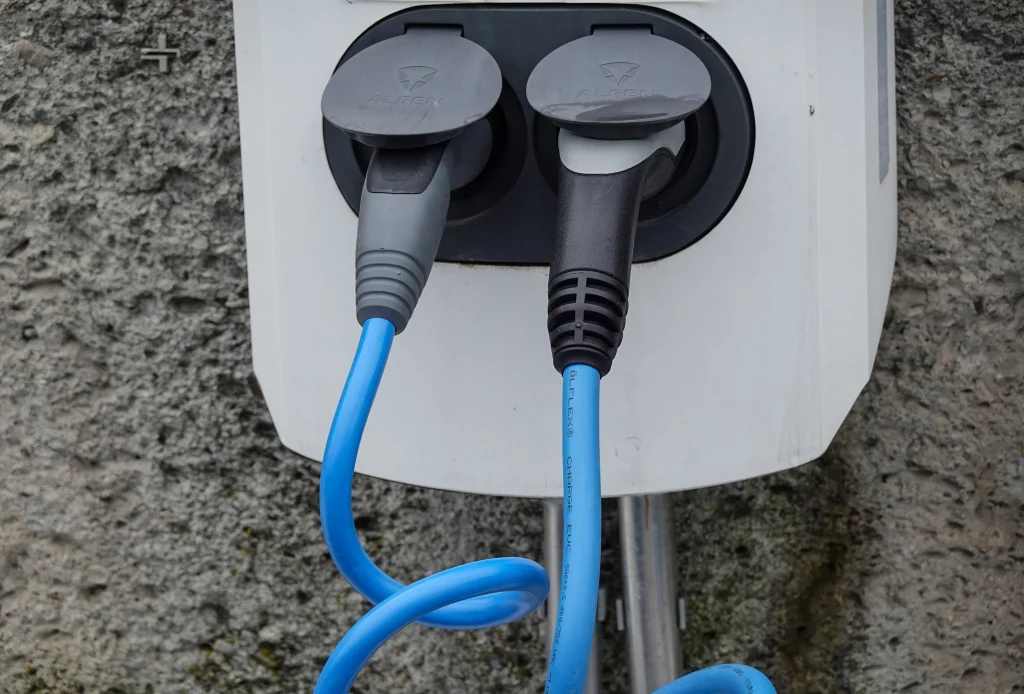
Government backing combined with corporate accountability establishes unbreakable foundations for tomorrow’s green transit networks.
Learn more: The Pros and Cons of Using a Portable EV Charger on Road Trips
Frequently Asked Questions (FAQ)
Why do public charging cords fail so often?
Relentless constant outdoor exposure, rough handling by motorists, and heavy electrical loads cause rapid mechanical fatigue and thermal stress.
Who enforces these new hardware guidelines?
Dedicated national transportation agencies and regional weights-and-measures departments collaborate to inspect public charging stations and issue compliance fines.
Will upgraded cables increase charging costs?
While initial hardware investments may cause minor adjustments, reduced maintenance downtime ultimately lowers long-term operational expenses for network providers.
How do these rules affect existing chargers?
Generally, most mandates grant operators a grace period to retrofit older installations with updated strain reliefs and heavy-duty connector housings.
Are home chargers impacted by mandates?
Typically, residential Level 2 chargers face less stringent public durability rules since owners handle them carefully in controlled garage environments.
