
How Public Transportation Is Becoming More Eco-Friendly
Across modern urban centers worldwide, public transportation is becoming more eco-friendly through massive electrification projects, zero-emission hydrogen fuel deployments, and intelligent energy management systems.
Metropolitan transit authorities are rapidly phasing out fossil fuel fleets to combat urban air pollution, reduce greenhouse gas emissions, and fulfill strict international climate targets.
Transitioning from diesel-powered buses and legacy commuter trains toward renewable energy integration represents a fundamental shift in how civil planners organize sustainable municipal infrastructure.
Understanding these technological innovations reveals how cleaner mass transit enhances public health, lowers long-term operational costs, and drives economic resilience across major global cities today.
What technologies are driving green transit transformation in modern cities?
Battery electric buses lead municipal fleet decarbonization, utilizing advanced lithium-iron-phosphate battery chemistry to deliver extended daily operating ranges without tailpipe emissions.
Hydrogen fuel cell vehicles offer powerful long-range transit options, converting compressed green hydrogen gas into clean electricity while discharging only pure water vapor into dense urban streets.
Modern light rail systems incorporate regenerative braking technology, capturing kinetic energy during deceleration and feeding surplus electricity directly back into regional power distribution grids.
Transitioning toward these zero-emission propulsion systems proves that public transportation is becoming more eco-friendly, ensuring cleaner breathing environment for millions of urban commuters every single day.
How does fleet electrification lower overall urban carbon emissions?
Replacing thousands of individual internal combustion passenger cars with high-capacity electric buses drastically decreases fuel consumption per passenger mile across busy traffic corridors.
Centrally managed electric vehicle charging depots optimize power draw from national grids, charging large vehicle fleets overnight when regional renewable energy production often exceeds total demand.
Solar panel arrays installed across maintenance facility roofs and passenger terminal canopies generate clean supplementary power directly onsite, minimizing dependency on legacy fossil fuel energy supplies.
Decreasing urban noise pollution further enhances city livability, proving that sustainable transit upgrades provide multifaceted environmental and health benefits to dense metropolitan areas.
Transit Decarbonization: Clean Fleet Propulsion Comparison
| Propulsion Technology | Zero Tailpipe Emissions | Primary Energy Source | Key Environmental Advantage |
| Battery Electric (BEV) | Yes (100% Zero Direct) | Grid Electricity / Solar | High energy efficiency in dense urban routes |
| Hydrogen Fuel Cell (FCEV) | Yes (100% Pure Water) | Green Hydrogen Gas | Rapid refueling times and long operational ranges |
| Renewable Natural Gas (RNG) | Partial (Low Carbon) | Organic Waste Bio-Methane | Diverts organic waste while reducing fossil methane |
| Solar-Electric Tramways | Yes (100% Zero Direct) | Direct Solar & Overhead Catenary | Zero battery waste with continuous track power |
Why are transit agencies integrating smart grid technology into depots?
Intelligent energy management software monitors real-time power consumption, balancing vehicle charging schedules to prevent sudden surges on local electrical transformer infrastructure during peak grid demand hours.
Vehicle-to-grid technology allows idle electric bus fleets to discharge stored battery energy back into municipal power networks during heatwaves or extreme power shortages.
Learn more: Electric buses and e-mobility in public transit: the future of zero-emission cities
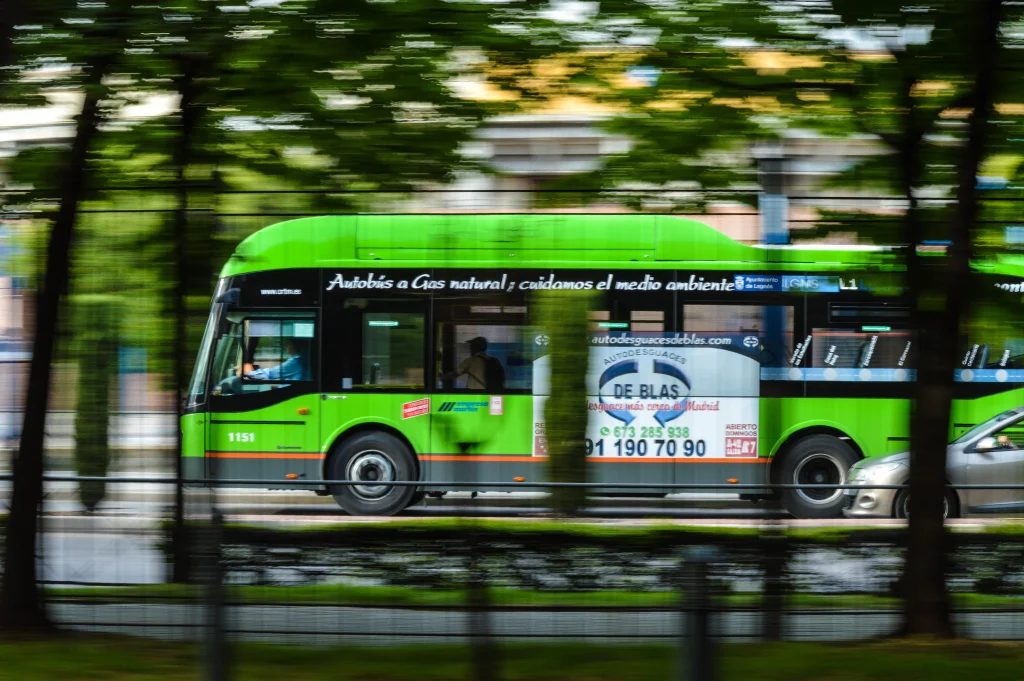
Predictive maintenance algorithms track battery cell degradation and motor efficiency in real time, extending component lifespans and preventing premature hardware disposal in landfills.
Review comprehensive sustainable transportation frameworks and international urban mobility research provided by the International Energy Agency (IEA) to examine global energy transition milestones.
Which operational challenges face zero-emission transit adoption?
Upgrading electrical grid capacity near municipal bus depots requires significant capital investment, specialized engineering, and long-term coordination with regional utility providers.
Cold weather conditions can temporarily degrade chemical battery performance, requiring transit operators to implement auxiliary heat pumps and pre-conditioning charging schedules during winter months.
Read more: Transport Public Charging Access Inequality
Training mechanics and garage personnel to maintain high-voltage electrical architecture and compressed hydrogen storage systems necessitates structured safety certification programs across transit departments.
Overcoming these operational hurdles demonstrates how public transportation is becoming more eco-friendly, paving the way for complete municipal reliance on clean energy systems worldwide.
When will zero-emission transit become the standard globally?
Dozens of global metropolises have pledged to purchase exclusively zero-emission buses, setting aggressive fleet conversion deadlines aimed for total completion before 2035.
National governments back these municipal commitments with federal infrastructure grants, subsidizing vehicle procurement costs and funding wide-scale installation of high-power depot chargers.
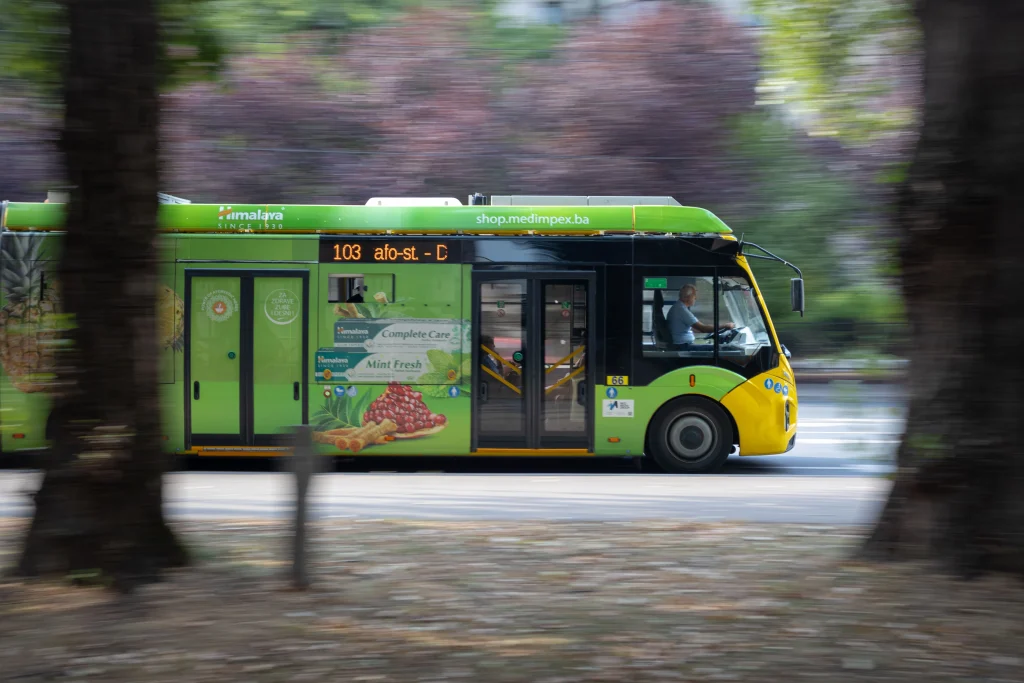
Declining battery production costs combined with rising diesel fuel expenses make clean transit fleets increasingly competitive on a total cost of ownership basis.
Learn more: How Electric Public Transport Is Reducing City Pollution
Explore detailed urban climate policy guides and zero-emission transit case studies published by the United Nations Environment Programme (UNEP) to track global decarbonization efforts.
Frequently Asked Questions (FAQ)
Are electric buses really greener if the electrical grid relies on fossil fuels?
Yes, electric buses utilize energy much more efficiently than diesel engines, resulting in lower net carbon emissions even on fossil-heavy regional power grids.
How long do battery electric bus batteries last before requiring replacement?
Modern lithium-ion bus batteries typically last between 8 to 12 years in daily service before transitioning to stationary second-life energy storage applications.
What is the advantage of hydrogen fuel cell buses over battery electric buses?
Hydrogen buses refuel in under 15 minutes and maintain longer operating ranges, making them ideal for heavy-duty, long-distance suburban express transit routes.
How do smart transit apps help reduce environmental impact?
Smart mobility apps optimize route planning, display real-time arrival schedules, and encourage Modal shifts from personal driving to energy-efficient public transit networks.
Observing how public transportation is becoming more eco-friendly highlights a historic shift toward healthier, quieter, and climate-resilient cities. By combining renewable power, intelligent grid integration, and zero-emission vehicle engineering, modern urban centers guarantee that sustainable mobility remains accessible to all citizens.
