
Universal Battery Standards Could Expand Electric Motorcycle Access
Universal Battery Standards Could Expand electric motorcycle adoption globally, breaking down long-standing barriers like fragmented infrastructure, high initial costs, and long charging wait times.
Cross-brand compatibility allows riders to swap depleted power units for fully charged packs in seconds instead of waiting for standard plug-in charging.
Major global manufacturers now recognize that unifying battery architecture transforms urban mobility from a niche market into a practical, mass-market transportation solution.
Establishing unified physical dimensions, voltage specs, and digital communication protocols enables cities to build shared battery-swapping networks accessible to every rider.
What is driving the shift toward standardized motorcycle batteries?
The high cost of proprietary lithium-ion packs has historically kept electric two-wheelers significantly more expensive than their gas-powered counterparts.
A unified battery model decoupling the power pack from the motorcycle frame allows consumers to purchase vehicles without paying upfront for expensive energy storage.
Decoupled battery ownership enables flexible subscription plans, reducing upfront showroom costs and shifting battery degradation risks to fleet operators.
Global initiatives like the Swappable Batteries Motorcycle Consortium prove that competing brands like Honda, Yamaha, KTM, and Piaggio can unite around shared technical baselines.
Industry alignment on 48V low-voltage systems accelerates market penetration while ensuring inter-brand hardware compatibility across international markets.
How do standardized swap networks eliminate range anxiety?
Replacing a depleted power pack at an automated kiosk takes under one minute, completely bypassing traditional DC fast-charging wait times.
Shared battery stations remove reliance on personal garage outlets, unlocking electric mobility for millions of urban apartment dwellers without dedicated parking chargers.
Standardized energy networks optimize grid demands by charging spare batteries during off-peak hours using renewable solar or wind power reserves.
Urban rider surveys consistently confirm that predictable, instant energy access encourages longer daily commutes and expands delivery fleet operations.
Continuous battery health monitoring at automated stations guarantees that riders receive fully tested, safe, and optimal power units every single swap.
Global Electric Two-Wheeler Standardization Standards
| Standard / Initiative | Key Founding Members | Voltage Architecture | Primary Target Market |
| SBMC Consortium | Honda, Yamaha, KTM, Piaggio | 48V Low-Voltage | Global Urban Commuting & Delivery |
| Gogoro Network | Gogoro, Yamaha, Hero MotoCorp | 50V–72V Ecosystem | East Asia & India Urban Fleets |
| Gachaco Alliance | Honda, Kawasaki, Suzuki, Yamaha | Common 48V Pack | Japanese Domestic Two-Wheeler Sector |
| Taiwan Swapping Standard | Industrial Technology Research Inst. | Unified Multi-Pin Specs | East Asian Commercial Scooter Hubs |
Why are regulatory bodies mandating unified battery safety protocols?
Unregulated, non-certified lithium battery packs pose severe thermal runoff risks, prompting governments to enforce strict manufacturing and testing guidelines.
Universal standards demand rigorous thermal management controls, flame-retardant casing materials, and standardized battery management system (BMS) handshakes.
Learn more: Battery Passport Rules Affecting Electric Truck Manufacturing
Establishing strict physical and electrical guidelines prevents grey-market producers from distributing unsafe, uncertified power cells to unsuspecting consumers.
Universal Battery Standards Could Expand consumer safety confidence when purchasing secondhand electric motorcycles, as standardized packs undergo regular commercial safety audits at swap hubs.
Regulatory alignment simplifies cross-border trade, allowing manufacturers to export identical vehicle platforms without re-engineering battery compartments for different countries.
Which economic advantages accelerate fleet adoption for delivery workers?
Commercial logistics fleets operate under tight time constraints, making multi-hour charging stops financially unviable for full-time couriers and delivery drivers.
Swappable systems maximize operational uptime, keeping couriers on the road continuously during peak delivery hours without range limitations.
Standardized batteries lower total cost of ownership by allowing logistics operators to lease battery packs rather than managing degrading capital assets.
Read more: How to Monitor Battery Health in a Fleet of Electric Trucks
Centralized charging hubs extend overall cell lifespan through controlled climate charging, reducing industrial battery waste across urban delivery networks.
Predictable monthly subscription pricing protects small business owners from unexpected battery replacement bills after years of intensive daily usage.
When will international standards achieve full market saturation?
Emerging markets across Southeast Asia and India lead rapid adoption due to high two-wheeler density and aggressive government electrification mandates.
European and North American urban centers are rapidly catching up, passing legislation to support shared micromobility infrastructure and zero-emission transit zones.
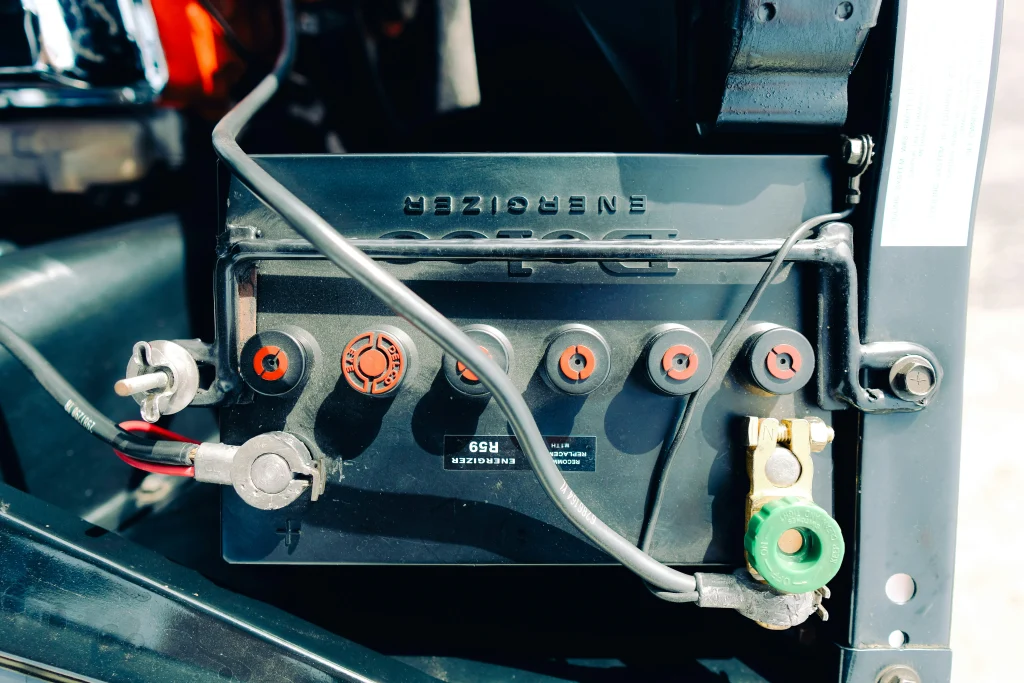
Full global alignment requires legacy motorcycle brands to standardize mounting brackets, pin connectors, and digital CAN bus communication protocols across model lines.
Learn more: Modular Battery Packs Changing Electric Motorcycle Ownership
Industry analysts project that modular battery standards will dominate urban light electric vehicle sales within the next three to five years.
Track evolving international vehicle regulations and sustainable transportation policies via the European Association of Motorcycle Manufacturers to monitor global implementation milestones.
Frequently Asked Questions (FAQ)
Will standard batteries fit into older electric motorcycle models?
Legacy electric motorcycles generally require proprietary battery shapes, making retrofit installation difficult without custom frame modifications or aftermarket adapters.
Do swappable batteries reduce the ultimate top speed of a motorcycle?
Low-voltage swappable packs primarily target urban mopeds and commuters, while high-performance electric superstock bikes still utilize dedicated high-voltage built-in batteries.
How do swap stations ensure battery health for every user?
Automated kiosks test internal resistance, temperature, and cell balance during every charge cycle, immediately retiring damaged or degraded packs from circulation.
Are universal batteries safe to ride in heavy rain?
Standardized battery designs meet strict IP67 or IP68 waterproof ratings, ensuring completely sealed, safe electrical connections even during heavy downpours.
Adopting universal battery standards eliminates the largest adoption hurdles facing the electric motorcycle industry today. Interoperable power networks reduce vehicle purchase prices, eliminate range anxiety, and establish a cleaner, more accessible future for global urban transportation.
