
Car Bidirectional Charging Limits in Homes
The technical integration of Bidirectional Charging Limits in Homes represents a foundational pillar for the evolution of modern residential microgrids, transforming electric vehicles into dynamic energy storage nodes.
This technological shift allows homeowners to transition from passive energy consumers to active grid participants, utilizing vehicle-to-home (V2H) and vehicle-to-grid (V2G) systems.
However, deploying this advanced infrastructure requires a comprehensive understanding of current regulatory, thermal, and electrical boundaries to prevent system overloads.
As automotive manufacturers standardize these power-sharing capabilities in 2026, homeowners must analyze the specific threshold constraints that govern continuous power inversion.
Balancing vehicle battery health against residential peak demands dictates the ultimate economic efficiency of these decentralized clean energy ecosystems.
What are the primary hardware constraints regulating power flow between vehicles and residences?
Residential electrical panels operate on fixed current thresholds designed to protect internal wiring from overheating and causing catastrophic insulation failures.
Standard household service drops typically deliver split-phase power limited to maximum current capacities of 100 to 200 amperes.
Introducing a mobile battery system capable of exporting significant direct current requires specialized conversion hardware known as a bidirectional charger.
This device contains advanced power electronics that invert the vehicle’s high-voltage direct current into clean alternating current synchronized with the home.
The ultimate deployment of Bidirectional Charging Limits in Homes depends heavily on the continuous power rating of these specific residential inverters.
Most current residential hardware setups limit continuous energy export to thresholds ranging between 7.6 kilowatts and 11.4 kilowatts.
Exceeding these predefined thresholds triggers automatic thermal breakers within the smart electrical panel to prevent severe damage to the home’s distribution grid.
Therefore, matching your vehicle’s discharge capacity with your home’s infrastructure limits is crucial for maintaining an operational power ecosystem.
How does continuous stationary discharging affect the chemical lifespan of electric vehicle batteries?
Automotive battery packs undergo physical degradation through microscopic chemical changes during every charge and discharge cycle.
Subjecting a passenger car to stationary home power demands introduces additional microscopic stress factors, such as sustained elevated internal cell operating temperatures.
Lithium-ion cells experience accelerated capacity loss when maintained at high states of charge or subjected to deep, prolonged discharge cycles.
To combat this degradation, automotive engineering teams program strict state-of-charge buffers directly into the vehicle’s central energy management system software.
To examine official safety testing methodologies, updated electrical vehicle infrastructure standards, and global battery recycling compliance frameworks, consult the technical repository of the National Highway Traffic Safety Administration (NHTSA).
Which regulatory standards govern the legal interconnection of bidirectional power sources?
Electric utilities enforce strict operational frameworks to guarantee the safety of field technicians working on localized power line repairs.
National interconnection standards require all residential generation sources to feature automated anti-islanding mechanisms that halt power exportation during grid blackouts.
These safety systems ensure that a home utilizing vehicle energy storage cannot accidentally backfeed electricity into downed distribution wires outside the property.
Compliance with these testing certifications is mandatory before local utility inspectors authorize the permanent activation of bidirectional home systems.
Furthermore, dynamic pricing models dictate the financial viability of exporting power back to the commercial grid during peak electricity demand windows.
Understanding these localized utility rules allows homeowners to maximize their savings while staying well within the legal Bidirectional Charging Limits in Homes.
To help homeowners evaluate the distinct operational risk profiles and equipment requirements of modern energy systems, the table below synthesizes empirical industry benchmarks:
| Bidirectional System Type | Average Continuous Power Output | Typical Round-Trip Efficiency | Core Infrastructure Required | Primary Regulatory Limitation |
| Vehicle-to-Home (V2H) | 7.6 kW to 11.4 kW | 85% to 92% | DC Bidirectional EVSE & Auto Transfer Switch | Home electrical panel thermal limits |
| Vehicle-to-Grid (V2G) | 10.0 kW to 19.2 kW | 82% to 88% | Smart Meter & Net Metering Interconnection | Utility anti-islanding safety rules |
| Vehicle-to-Load (V2L) | 1.8 kW to 3.6 kW | 90% to 95% | Integrated vehicle AC outlet ports | Internal vehicle fuse current maximums |
The empirical data demonstrates that implementing Bidirectional Charging Limits in Homes involves balancing high output needs against inherent conversion efficiency losses.
Homeowners must deploy automated energy management systems to monitor these real-world limits dynamically throughout the day.
Why does internal thermal management dictate the longevity of residential smart energy hubs?
Prolonged power inversion generates significant heat waste within the internal components of both the bidirectional charger and the home’s electrical service panel.
Without adequate heat dissipation, sensitive microprocessors experience thermal throttling, which automatically reduces the rate of power transfer to protect circuits.
Modern smart panels mitigate this operational risk by integrating active cooling fans and real-world temperature sensors across critical branch breakers.
Learn more: Energy Offshore Cable Bottlenecks Growing
These systems dynamically adjust the allowable current draw based on ambient garage temperatures, preventing localized heat pockets from developing.
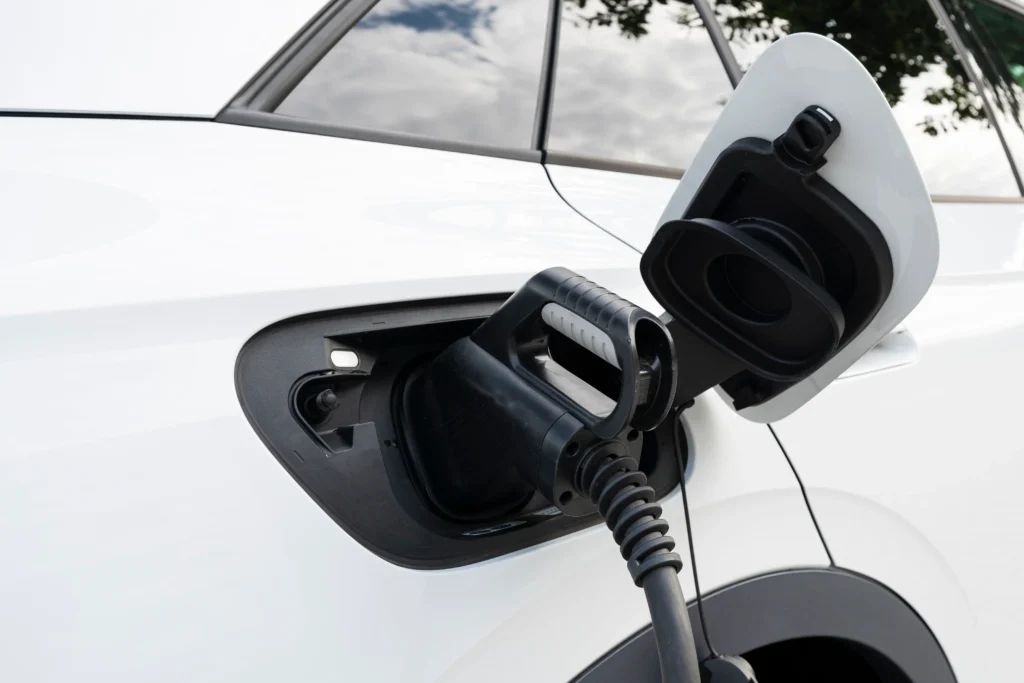
Enforcing these thermal boundaries protects household appliances from voltage fluctuations that can occur when high-power storage systems cycle on and off rapidly.
Maintaining stable operating temperatures ensures the long-term reliability of the entire residential clean energy infrastructure investment.
When should homeowners implement automated energy management software overrides?
Homeowners should configure intelligent software overrides when integrating large solar arrays alongside their bidirectional vehicle charging setups.
Automated energy management systems track real-time weather forecasts and household consumption habits to determine the optimal times for discharging the vehicle’s battery pack.
Read more: Electric Car Charging Queue Algorithms in Busy Stations
These software platforms prevent the system from completely draining the vehicle’s battery before an unexpected long-distance driving emergency occurs.
Setting minimum state-of-charge thresholds ensures that a usable driving range is always preserved for daily transportation needs.
Harmonizing Mobile Energy Assets with Modern Domestic Infrastructure
The successful deployment of bidirectional vehicle power systems marks a major advancement toward achieving decentralized residential energy resilience.
Overcoming the physical constraints of current electrical distribution setups requires combining sophisticated power electronics with disciplined system monitoring habits.
Learn more: Electric Car Bidirectional Charging Revenue Potential
As safety certifications and utility rules standardize globally, the financial benefits of vehicle-based home backup power will become accessible to more consumers.
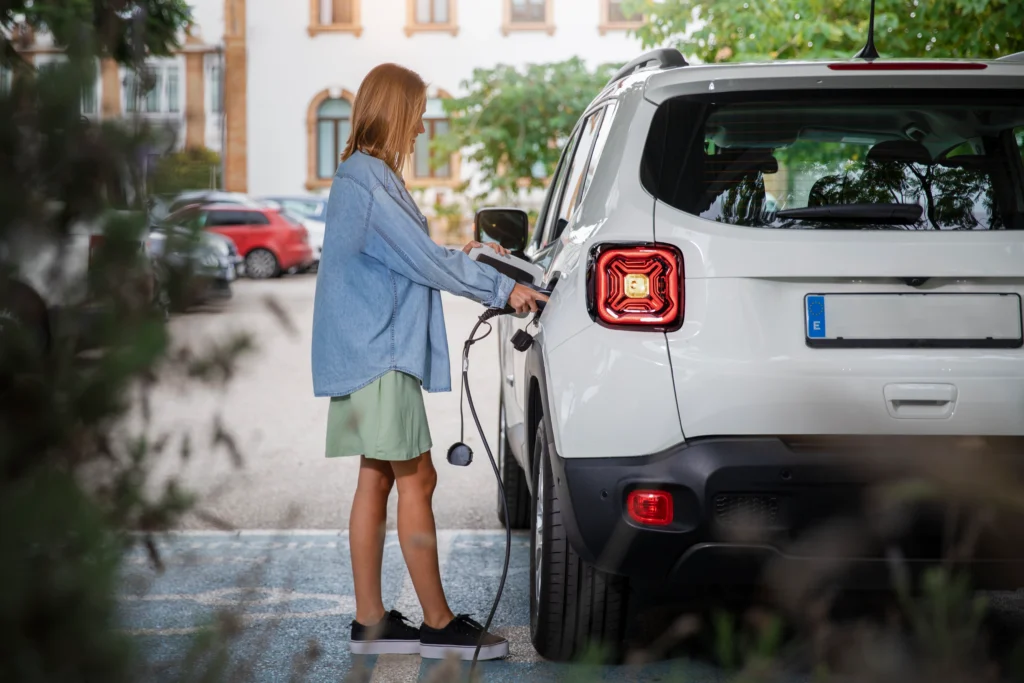
Respecting thermal, chemical, and regulatory boundaries allows homeowners to maximize their energy independence while protecting their valuable automotive investments.
To explore advanced smart grid architecture papers, global engineering standards, and academic research regarding alternative energy integration, consult the digital database of the National Renewable Energy Laboratory (NREL).
Frequently Asked Questions (FAQ)
What is the difference between V2H and V2G charging systems?
Vehicle-to-Home (V2H) systems route power from the vehicle battery exclusively to the home’s electrical panel to run household appliances during outages or high-tariff periods.
Vehicle-to-Grid (V2G) systems allow energy to flow past the home panel back into the commercial grid, allowing owners to sell energy to utilities.
Does using my electric car to power my house void the manufacturer’s battery warranty?
Most automotive manufacturers explicitly state that using approved bidirectional charging hardware within verified limits will not void the factory battery warranty.
However, using uncertified third-party inversion equipment or bypassing integrated software safety limits can lead to a complete denial of warranty coverage if damage occurs.
Can a bidirectional vehicle system power an entire home during an extended grid blackout?
Yes, a fully charged electric vehicle with a 60 to 100 kilowatt-hour battery can easily sustain an average household’s critical electrical loads for several days.
To achieve this, the home must feature an automatic transfer switch that isolates the residential circuits from the down commercial grid safely.
How much energy is typically lost during the bidirectional power conversion process?
The round-trip efficiency of bidirectional home charging systems generally ranges between 85% and 92% due to inherent heat losses during conversion.
This means that for every 10 kilowatt-hours of electricity extracted from the automotive battery pack, roughly 8.5 to 9.2 kilowatt-hours are successfully converted into usable household current.
