
Can Electric Motorcycles Be Hacked? Cybersecurity Basics
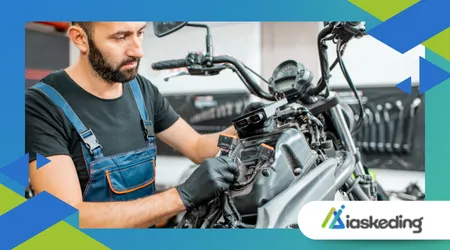
Can Electric Motorcycles Be Hacked? In 2025, as our highways hum with silent electric two-wheelers, this question moves from theoretical anxiety to a genuine concern for every rider.
Modern electric motorcycles are not merely battery-powered; they are complex, connected computers on wheels.
This advanced connectivity is the source of both convenience and vulnerability.
They utilize integrated telematics for everything from GPS tracking to battery diagnostics.
Over-The-Air (OTA) updates routinely patch software and enhance performance features.
Many riders access key functions and data via smartphone apps connecting to the bike’s cloud services.
These digital bridges, while revolutionary, represent potential ingress points for malicious actors.
The architecture involves multiple Electronic Control Units (ECUs) linked by a Controller Area Network, or CAN bus.
This internal network manages critical operations like braking and motor control.
Any compromise of an external connection could conceivably propagate to the CAN bus.
Can Electric Motorcycles Be Hacked: The Ingress Points

Understanding the primary vulnerabilities is the first step toward safeguarding your ride. Cybercriminals target the weakest links in the digital chain.
What are the Primary Vulnerability Points on an Electric Motorcycle?
These sleek machines offer several avenues for an attack, primarily through wireless interfaces.
The Bluetooth and Wi-Fi connections used for rider-to-bike communication are often exposed.
Weak or default passwords for mobile applications also present an easy entry point.
Diagnostics ports, intended for authorized service, can be physically exploited if poorly secured.
The cloud back-end that manages data for entire fleets is also a high-value target.
++How to Choose the Right Solar Panel System
A breach there could potentially affect thousands of motorcycles simultaneously.
Even public charging stations, being highly networked devices, present a novel security challenge.
Consider the complexity like a castle with many gates, some seen and some hidden. Every gate must be equally fortified.
What Could a Hacker Actually Do to a Motorcycle?
The potential for disruption ranges from irritating mischief to life-threatening danger on the road.
A remote attacker could disable an anti-theft system or track a rider’s precise location.
Explore more: Comparing Charging Times of Popular Electric Motorcycles
Less dramatically, they might tamper with the infotainment system or lock up the onboard screen.
More critically, an exploit could affect battery management system performance.
This might prematurely drain the battery or even cause thermal events, a safety hazard.
The most extreme scenario involves manipulation of the CAN bus itself. Gaining control over the throttle, braking, or steering is the ultimate threat.
The Remote Disruption
Imagine a scenario where a hacker exploits a bug in a motorcycle’s telematics unit.
++Electric Motorcycles in Extreme Conditions: Cold Weather, Off-road, Long Distances
They repeatedly send an unauthorized “engine start” command that drains the main battery.
The owner is stranded, unable to start the vehicle, a clear case of digital sabotage.
The Physical/Digital Breach
A hacker gains temporary physical access to a poorly secured diagnostic port in a garage.
They inject malicious code that alters the bike’s performance profile.
The rider later experiences erratic power delivery or a sudden, unexpected reduction in speed.
Cybersecurity Basics: Protecting Your Digital Ride
The good news is that the industry and regulators are taking decisive action to manage this risk.
Riders also have a role to play in bolstering their own security posture.
++Cyber Security Regulation is Coming to Two-Wheelers
What is the Industry Doing to Prevent Hacking?
Manufacturers are increasingly integrating security into the development process, not just bolting it on.
This involves rigorous penetration testing and secure code development practices.
New standards are forcing the industry to prioritize digital protection for two-wheelers.
The United Nations Economic Commission for Europe (UNECE) Regulation No. 155 is a game-changer.
It mandates that manufacturers of new L-category vehicles—including motorcycles—implement a Cybersecurity Management System (CSMS).
This compliance ensures security throughout the entire vehicle lifecycle, from design to end-of-life. This crucial regulatory shift began gaining traction around mid-2024.
According to the Upstream Security 2024 Global Automotive Cybersecurity Report, attacks targeting telematics and application servers accounted for 43% of all automotive-related cybersecurity incidents in 2023.
This 43% figure underscores the critical need for robust back-end security for all connected vehicles, including motorcycles.
What Can Riders Do to Minimize Their Risk?
The rider’s responsibility is primarily digital hygiene and consistent software maintenance.
Always use strong, unique passwords and enable two-factor authentication for mobile apps.
Regularly apply all available software updates from the manufacturer immediately after release.
Be judicious about permissions granted to third-party applications or accessories connecting to your motorcycle.
Treat your bike’s app and connectivity like you treat your online banking credentials.
| Threat Vector | Rider’s Defensive Action | Impact on Risk |
| Weak App Password | Use a complex, unique password and two-factor authentication. | Eliminates easy remote access. |
| Outdated Software | Install all OTA updates immediately upon notification. | Patches known vulnerabilities and bugs. |
| Public Wi-Fi/Charging | Limit connections to trusted, secured networks. | Reduces the chance of Man-in-the-Middle attacks. |
| Unsecured Bluetooth | Keep Bluetooth disabled when not actively in use. | Closes an easy, short-range physical vector. |
Is the Threat of Hacking Proportional to the Risk?
Every connected device carries a risk, but a motorcycle’s is heightened by its motion and use.
The situation is akin to a professional jet pilot trusting modern fly-by-wire controls.
They know the systems are secure, but they also understand the catastrophic results of failure.
Riders need to approach their electric motorcycle with a similar respect for the underlying technology.
Do we truly expect manufacturers to protect every single entry point on their own?
The sheer volume of new connected vehicles necessitates a proactive, layered defense strategy.
The rapid growth of the electric vehicle cybersecurity market, projected to reach over $12.71 billion by 2033 (Dataintelo, 2024), reflects the severity of the threat landscape.
This massive investment confirms that cybersecurity is a necessity, not an optional extra.
The question is no longer if a motorcycle could be hacked, but how thoroughly the industry and riders mitigate the when.
Can Electric Motorcycles Be Hacked? Yes, but the industry is mobilizing to build better digital fortifications.
Frequently Asked Questions
What is the CAN Bus in an Electric Motorcycle and why is it important for security?
The Controller Area Network (CAN) bus is the internal communications backbone of the motorcycle.
It links critical systems like the motor, brakes, and diagnostic tools.
Hacking the CAN bus could allow an attacker to send unauthorized commands, directly compromising the motorcycle’s safety and operation.
Does simply turning off my electric motorcycle eliminate the cyber risk?
No, turning off the ignition does not fully eliminate the risk. Many electric motorcycles utilize telematics or cellular connectivity that remains active for tracking or diagnostics, even when parked.
A hacker could still potentially access location data or perform battery-draining attacks remotely.
Should I worry about my private riding data being stolen from my electric motorcycle?
Yes, all connected devices pose a data risk. Electric motorcycles collect data on routes, speeds, battery health, and charging habits.
A server-side attack on the manufacturer’s cloud infrastructure could expose this sensitive personal and vehicle usage data.
