
How Safe Are Electric Public Transport Options?

As cities worldwide embrace sustainable transit, understanding how safe are electric public transport options becomes paramount for commuters and urban planners alike.
The transition from traditional combustion engines to electric powertrains in buses, trains, and trams represents a significant leap forward, not just for environmental reasons, but also for passenger well-being.
This shift brings with it a host of innovations and reassurances regarding safety, addressing potential concerns head-on.
The Evolving Landscape of Electric Transit Safety
The integration of electric vehicles into public transportation networks has accelerated, driven by global climate initiatives and technological advancements.
This evolution isn’t merely about reducing emissions; it’s fundamentally about enhancing the commuter experience, with safety as a cornerstone.
The development of sophisticated systems and rigorous testing protocols ensures that these modern transit solutions are as secure, if not more so, than their predecessors.
++ Exploring the Future of Electric Aerial Drones for Delivery
Addressing Common Safety Concerns
One of the primary questions that arises when considering how safe are electric public transport options revolves around battery technology and its potential risks.
Early concerns about thermal runaway have been largely mitigated through advanced battery management systems (BMS) and robust fire suppression technologies.
These systems constantly monitor battery health, temperature, and charge levels, providing early warnings and initiating preventative measures.
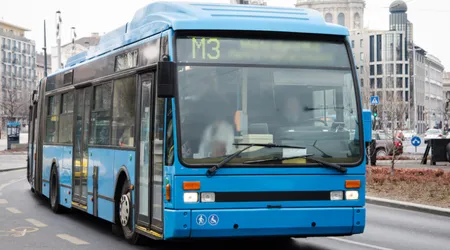
Technological Innovations Enhancing Security
Modern electric buses and trains are equipped with an array of sensors and intelligent systems that contribute significantly to passenger safety.
These include advanced driver-assistance systems (ADAS) that can detect potential collisions, pedestrian presence, and lane departures.
Furthermore, enhanced braking systems, often regenerative, offer superior stopping power and control, especially in varied weather conditions.
++ What Is a Personal Electric Vehicle (PEV)?
A Look at Real-World Performance and Data
The safety record of electric public transport is steadily improving.
For instance, a report by the International Energy Agency (IEA) highlighted that electric buses, while a newer segment, are demonstrating comparable or even superior safety performance to their diesel counterparts in operational environments.
This is often attributed to the smoother acceleration and deceleration profiles of electric motors, which reduce the likelihood of sudden, jarring movements that can lead to passenger falls.
++ Electric Wheelchairs and Mobility Aids: A Growing Market
Understanding the Infrastructure’s Role
Beyond the vehicles themselves, the safety of how safe are electric public transport options also depends on the supporting infrastructure.
Charging stations are designed with multiple safety interlocks to prevent electrical hazards during connection and disconnection.
The grid infrastructure supporting these charging networks is also subject to stringent safety standards, ensuring reliability and preventing electrical faults that could impact operations.
++ The Truth About Electric Buses: From Challenges to Benefits
Comparing Electric vs. Traditional Transit Safety
When we delve into how safe are electric public transport options, it’s beneficial to draw comparisons. Traditional diesel buses, for example, carry flammable fuel, posing a distinct fire risk.
Electric vehicles, while containing batteries, are designed with inherent safety features to manage this energy source.
The absence of exhaust fumes also contributes to a healthier cabin environment, indirectly enhancing passenger well-being.
The Human Element: Training and Operations
The effectiveness of any safety system, electric or otherwise, ultimately relies on human operators and maintenance crews.
Extensive training programs for drivers of electric buses and train operators ensure they are adept at handling the unique characteristics of these vehicles, including regenerative braking and energy management.
Rigorous maintenance schedules, tailored to the specific needs of electric powertrains, further bolster reliability and safety.
A Framework for Future Safety Standards
As the adoption of electric public transport expands, ongoing research and development are continuously refining safety standards.
This includes exploring new battery chemistries, improving cybersecurity for connected vehicle systems, and enhancing emergency response protocols specifically for electric transit incidents.
The industry is committed to a proactive approach to safety.
Electric Buses: A Case Study in Enhanced Safety
Consider the case of electric buses deployed in a major metropolitan area. These vehicles are often fitted with internal and external cameras for enhanced surveillance and incident recording.
Advanced climate control systems ensure passenger comfort, reducing distractions that could lead to accidents. Furthermore, their quieter operation contributes to a more serene travel experience.
This offers a clear picture of how safe are electric public transport options.
The Analogy of a Modern Symphony
To truly grasp the safety of electric public transport, one might draw an analogy to a modern symphony orchestra.
Each component—the battery, the motor, the control systems, the infrastructure, and the human operators—plays a crucial role.
When harmoniously integrated and meticulously managed, they create a performance of exceptional safety and efficiency, far exceeding the sum of their individual parts.
Looking Ahead: Continuous Improvement
The discourse on how safe are electric public transport options is not static. It’s a dynamic conversation fueled by innovation and a commitment to public well-being.
As technology advances and operational experience grows, we can expect even greater levels of safety and reliability in the electric vehicles that are increasingly shaping our urban landscapes.
The journey towards safer, greener transit is well underway.
Conclusion: A Secure and Sustainable Future
In conclusion, the evidence strongly suggests that electric public transport options are not only safe but are becoming increasingly safer due to technological advancements and evolving operational practices.
The concerns surrounding battery technology are being effectively addressed through robust engineering and stringent safety protocols.
As cities continue to invest in these sustainable solutions, passengers can look forward to a more secure and environmentally responsible commuting experience.
The question of how safe are electric public transport options is being answered with a resounding positive.
Frequently Asked Questions
Are electric buses more prone to fires than diesel buses?
No, while battery fires are a concern, electric buses are equipped with advanced battery management systems and fire suppression technologies that mitigate these risks.
In fact, the risk of fire from flammable fuel in diesel buses is a significant consideration.
What safety features are common in electric trains?
Electric trains often feature advanced braking systems, including regenerative braking for smoother stops, sophisticated control systems to prevent derailments, and comprehensive passenger safety features like emergency communication systems and secure door mechanisms.
How does the charging process for electric public transport ensure safety?
Charging stations are designed with multiple safety interlocks, including automatic shut-off mechanisms in case of faults.
The electrical infrastructure supporting these chargers also adheres to rigorous safety standards to prevent hazards.
Are there specific regulations governing the safety of electric public transport?
Yes, the development and deployment of electric public transport are subject to various national and international safety regulations and standards, covering aspects from battery design and performance to operational procedures and maintenance.
