
How to Know if a Used Electric Car Is Still a Good Deal
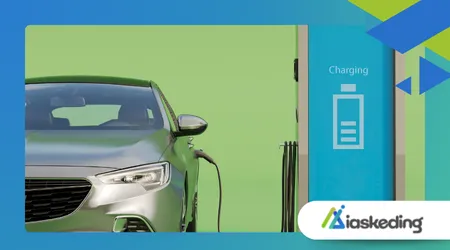
Buying a used electric car is still a good deal, but navigating the market requires a keen eye.
As a journalist specializing in electric vehicles, I’ve seen firsthand how quickly this landscape evolves.
Understanding the nuances of pre-owned EVs is crucial for a smart purchase.
The Shifting Sands of EV Value.
Electric vehicles, much like traditional cars, depreciate.
However, their depreciation curve can differ significantly due to evolving battery technology and charging infrastructure. A careful assessment is paramount.
Battery health is arguably the most critical factor. Unlike gasoline engines, EV batteries naturally degrade over time and usage.
This degradation impacts range and, consequently, the car’s practical usability. Always prioritize a vehicle with a verifiable battery history.
Consider the original warranty. Many manufacturers offer substantial warranties on EV batteries, sometimes extending for eight years or 100,000 miles.
This can provide peace of mind for several years into your ownership. A remaining warranty adds significant value.
Decoding Battery Health: Beyond the Guesswork

One key indicator is the “State of Health” (SOH). Some EVs provide this metric directly on their dashboard.
This percentage indicates how much of the original battery capacity remains. Aim for an SOH above 80% if possible.
++What to Know Before Buying Your First E-Motorcycle
Specialized diagnostic tools can also provide a detailed battery report. Dealerships or independent EV mechanics often offer this service.
Investing in such a report can save you from costly surprises down the road. It’s like getting a pre-purchase inspection for a traditional car, but specialized.
Think of an EV battery like a well-used smartphone battery. It still works, but its charge doesn’t last as long as when it was new.
Range Anxiety vs. Real-World Needs: Used electric car Is still a good deal
Evaluate the car’s advertised range against its current battery health. A car with an original 250-mile range might now offer only 200 miles.
++Can Your Electric Car Power Your Home During an Outage?
Is that reduced range sufficient for your daily commute and typical journeys? Be realistic about your driving habits.
For example, if you typically drive 50 miles a day, a car with a 150-mile real-world range might be perfectly adequate. Don’t overpay for range you don’t need.
++Electric Car Depreciation: A Model-by-Model Breakdown
Conversely, someone planning longer trips might find a degraded battery deeply inconvenient. Match the car to your lifestyle, not just the sticker price.
Charging Infrastructure and Technology
The type of charging port matters. Older EVs might use less common or slower charging standards.
Ensure compatibility with public charging stations in your area. Modern EVs often support faster DC fast charging.
Consider your home charging setup. Does the car’s onboard charger support your preferred charging speed?
A Level 2 charger at home makes EV ownership far more convenient. Don’t underestimate its importance.
Software and Infotainment: Staying Current
EVs are essentially computers on wheels. Software updates are crucial for performance, efficiency, and features.
Inquire about the car’s update history and whether it’s still receiving over-the-air updates. Older models might lack certain modern conveniences.
Read more: Buying a Used Electric Car: 10 Things to Know Before You Buy
Infotainment systems can become dated. Check for Apple CarPlay or Android Auto compatibility, if those features are important to you.
A modern, responsive infotainment system enhances the driving experience significantly. It’s often overlooked.
The Resale Value Riddle: Is a used electric car is still a good deal?
The resale market for EVs is maturing, but it’s still influenced by new model releases and technological advancements. What’s a good deal today might shift tomorrow.
One relevant statistic to consider: according to a 2024 report by Cox Automotive, used EV prices in the US have stabilized after a period of rapid depreciation. This suggests a more predictable market for buyers.
Consider the long-term perspective. Will the vehicle hold its value adequately for when you eventually decide to sell it?
Depreciation is a factor for any car, but it’s particularly dynamic in the EV space. Do your homework.
| Factor | Impact on Value | Considerations for Buyers |
| Battery Health (SOH) | Direct impact on range and usability | Aim for >80%; request diagnostic report |
| Remaining Warranty | Provides financial protection | Check battery and powertrain warranty end dates |
| Charging Standards | Affects charging speed and public compatibility | Prefer CCS/NACS (in North America) or Type 2 |
| Software Update Support | Impacts features and efficiency | Ensure ongoing manufacturer support |
Beyond the Battery: General Used Car Checks
Don’t forget the standard used car inspection points. Check tires, brakes, suspension, and overall body condition.
A pre-purchase inspection by a qualified mechanic, preferably one familiar with EVs, is always a wise investment. This is non-negotiable.
Look for signs of accidents or previous damage. A clean vehicle history report is essential for peace of mind.
Even for an EV, the fundamentals of used car buying remain relevant. No one wants a lemon, electric or not.
For example, imagine two identical used Nissan Leafs, both from 2020. One has meticulously maintained service records and shows a battery SOH of 85%.
The other has patchy records and an SOH of 70%. Even if the second is cheaper, the first one is the demonstrably better deal due to its longevity and reliability.
The Verdict: When a used electric car is still a good deal
A used electric car is still a good deal if you approach the purchase strategically. Prioritize battery health, understand your charging needs, and perform thorough inspections.
The market offers compelling opportunities for those who do their homework. Are you ready to embrace the electric future without breaking the bank?
FAQs (used electric car Is still a good deal)
How long do EV batteries typically last?
Most EV batteries are designed to last for 8 to 15 years, or 100,000 to 200,000 miles, before significant degradation occurs. Many manufacturers offer warranties reflecting this.
Can I replace an EV battery?
Yes, EV batteries can be replaced, but it’s a significant expense, often costing thousands of dollars. It’s usually more cost-effective to buy a car with good battery health initially.
Do all EVs have similar charging times?
No, charging times vary significantly depending on the car’s battery size, the type of charger (Level 1, Level 2, DC Fast Charger), and the car’s maximum charging rate.
What are the benefits of buying a used EV over a new one?
Used EVs typically offer a lower purchase price, reduced depreciation compared to new EVs, and often still qualify for some level of government incentives or tax credits, depending on the region and specific vehicle.
