
How Software-Defined Vehicle Architecture Is Changing EV Repairability Forever
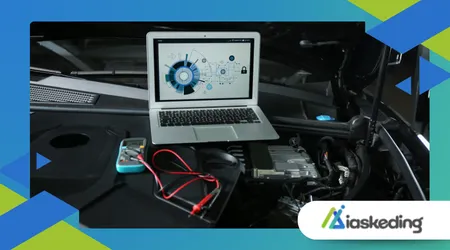
The evolution of automotive engineering has reached a tipping point where Software-Defined Vehicle Architecture dictates every aspect of how modern electric cars are maintained and fixed today.
Summary of Insights
- Definition of centralized electronic control units.
- Impact of Over-the-Air (OTA) updates on mechanics.
- The transition from hardware-centric to code-centric repairs.
- Cost analysis of modular digital components.
- Future predictions for independent repair shops.
What is Software-Defined Vehicle Architecture in 2026?
This shift toward Software-Defined Vehicle Architecture means that the car behaves more like a smartphone on wheels than a mechanical assembly of gears, valves, and combustible fluids.
Traditional cars relied on thousands of individual wires connecting isolated hardware modules. Today, this complex “spaghetti” wiring is replaced by a high-performance central computer managing all functions.
Engineers now prioritize “zonal” control units, reducing physical complexity while increasing digital intricacy. This foundational change allows manufacturers to monitor real-time health data through integrated cloud diagnostic systems.
Most modern EVs built this year utilize these centralized brains to manage everything from battery thermal management to the precision of Advanced Driver Assistance Systems (ADAS) sensors.
How does this architecture change traditional repair workflows?
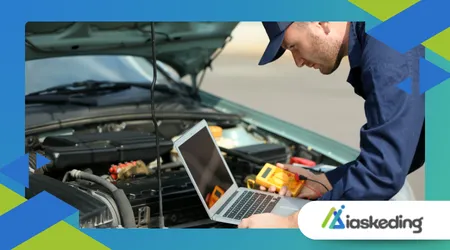
Technicians no longer start their day reaching for a wrench. Instead, the first tool used is a secure diagnostic tablet that interfaces directly with the vehicle’s encrypted core.
Since Software-Defined Vehicle Architecture centralizes data, a single faulty line of code can mimic a mechanical failure, requiring “digital twin” simulations to find the actual root cause.
Repairs frequently involve flashing firmware rather than swapping physical parts. This saves time for the consumer but requires mechanics to possess high-level expertise in cybersecurity and data science.
Physical access remains necessary for suspension or tire work, yet even these components now feature embedded sensors that require precise digital calibration after any manual intervention is completed.
Why is OTA technology a double-edged sword for owners?
Over-the-Air updates allow manufacturers to fix safety recalls or optimize battery range while the car sits in a driveway, effectively eliminating many traditional trips to the service center.
However, this Software-Defined Vehicle Architecture also grants OEMs (Original Equipment Manufacturers) significant control over who can access the software, potentially limiting the “Right to Repair” for independent garages.
Read more: How “Smart Charging Clusters” Are Reducing Grid Peaks in High-Density Urban Areas
When a software glitch occurs, the solution is often a remote patch. While convenient, it creates a dependency on the manufacturer’s server uptime and long-term commitment to legacy software.
Owners benefit from a vehicle that theoretically improves over time. Conversely, they face challenges if the software subscription expires or if the manufacturer decides to “sunset” older digital versions.
Which components are most affected by digital centralization?
The Integrated Power Electronics (IPE) and the Battery Management System (BMS) are the primary beneficiaries of this modern design, as they require constant micro-adjustments to maintain peak efficiency.
By utilizing Software-Defined Vehicle Architecture, these systems can redistribute workloads if a specific chip fails, providing a “limp home” mode that was previously impossible in older EV generations.
Infotainment and safety suites also reside in this centralized environment. A failure in a camera sensor can now be diagnosed remotely before the driver even notices a visual glitch.
| Component Type | Traditional Repair Method | SDV Repair Method (2026) | Estimated Time Saved |
| Battery Calibration | Manual Discharge/Charge | OTA Software Re-balancing | 95% |
| Brake Actuators | Physical Inspection | Digital Pressure Diagnostics | 60% |
| Infotainment | Hardware Replacement | Remote Firmware Patching | 85% |
| Sensor Alignment | Manual Laser Leveling | Self-Calibrating Algorithms | 50% |
Data source: NHTSA – Technology and Modern Vehicle Safety
When will independent shops adapt to these digital requirements?
The transition is happening now, as specialized training programs for “Automotive Software Technicians” become the industry standard across North America and Europe to meet the rising demand.
Adopting Software-Defined Vehicle Architecture requires shops to invest in expensive “Pass-Thru” technology, which allows third-party tools to communicate with proprietary manufacturer software without breaking encryption or warranties.
Many local mechanics are joining franchise networks that provide the necessary cloud-based diagnostic subscriptions. This ensures they stay relevant as mechanical components continue to shrink in overall importance.
Small businesses that fail to pivot toward digital proficiency risk becoming obsolete. The modern repair landscape favors those who can navigate both a circuit board and a Linux-based OS.
++ Carbon Footprint Gap Between LFP and NMC Batteries
What are the long-term costs of maintaining a software-centric EV?
Initial repair costs might seem higher due to the price of sophisticated sensors and high-performance computing chips that sit at the heart of the vehicle’s operating system.
Long-term, however, Software-Defined Vehicle Architecture lowers the Total Cost of Ownership (TCO). Predictive maintenance algorithms alert drivers to issues before they turn into catastrophic and expensive mechanical failures.
Labor hours are generally reduced for software-related issues, though the hourly rate for a specialized software-certified technician is significantly higher than that of a traditional “grease and oil” mechanic.
++ The Hidden Inefficiencies in EV Charging — From Cable Resistance to Inverter Losses
Insurance companies are also adjusting premiums based on the car’s ability to self-diagnose. Vehicles with robust software architectures often see lower rates due to their advanced active safety features.
Conclusion
The shift toward a Software-Defined Vehicle Architecture represents the most significant change in automotive history since the assembly line, redefining the very essence of what it means to “fix” a car.
While the digital divide presents challenges for traditional DIY enthusiasts, the benefits of safety, efficiency, and longevity are undeniable for the average driver navigating the roads in 2026.
We are moving toward a future where a car is never truly “old” as long as its software remains current. This evolution ensures that electric vehicles remain sustainable and reliable assets.
For more technical deep dives on the evolution of EV components, check the latest industry reports at the Society of Automotive Engineers (SAE).
FAQ (Frequently Asked Questions)
Can I still repair my own EV at home?
You can still perform mechanical tasks like replacing brake pads or tires. However, most system-level diagnostics now require specialized software access that is typically restricted to certified professionals.
Does software architecture make cars more prone to hacking?
While centralization creates a single point of entry, it also allows manufacturers to deploy robust, military-grade encryption and real-time security patches that isolated modules simply could not support.
Will my car stop working if the manufacturer goes out of business?
This is a valid concern in the SDV era. Without server support for updates and authentication, some advanced features might fail, though basic driving functions usually remain operational via offline modes.
Is software-defined hardware more expensive to replace?
Yes, replacing a centralized “supercomputer” module is more costly than a single sensor. However, these modules are designed with redundancy, meaning they fail much less frequently than older hardware.
How does this impact the resale value of my electric car?
Vehicles with updated software architectures tend to hold their value better. Buyers in 2026 prioritize cars that can receive the latest features and safety improvements via simple digital downloads.
