
The Benefits of Using Electric Trams in Urban Planning
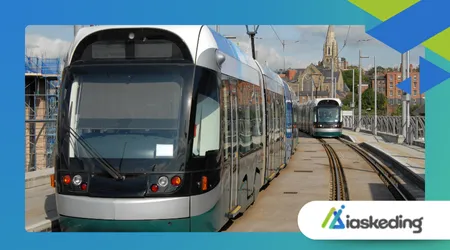
In an era where urban congestion and environmental concerns dominate city planning discussions, the benefits of using electric trams stand out as a beacon of sustainable and efficient public transport.
These sleek, modern vehicles offer a compelling solution to a multitude of metropolitan challenges, from reducing carbon footprints to revitalizing urban centers.
By embracing this technology, cities can pave the way for a greener, more connected future.
The transition to electric trams isn’t just about replacing old infrastructure; it’s a fundamental shift in how we envision urban mobility.
Why Electric Trams Are a Game-Changer for Modern Cities
The core advantages of electric trams extend far beyond their quiet, emission-free operation. They represent a strategic investment in urban resilience and quality of life.
The predictability of their routes and schedules offers a reliable alternative to the often-chaotic nature of car-centric travel, encouraging a modal shift away from private vehicles.
This shift, in turn, frees up road space and mitigates traffic jams, creating a more pleasant urban environment for everyone.
Think of a city’s transport network as the circulatory system of a living organism. When arteries are clogged with traffic, the entire body suffers.
++How OEMs Are Integrating AI to Optimize Electric Truck Routes
Electric trams act as a powerful, efficient pulse, ensuring smooth, consistent flow.
A New Era of Environmental Sustainability
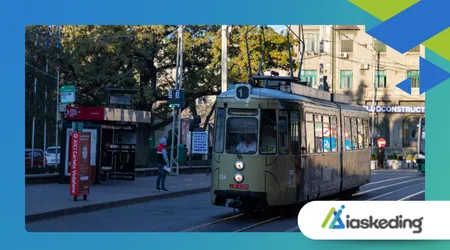
Electric trams are champions of environmental stewardship. Their operation eliminates tailpipe emissions, a major source of air pollution in dense urban areas.
This directly contributes to a healthier atmosphere, reducing the incidence of respiratory illnesses and improving overall public health.
The energy they consume is often sourced from renewable grids, further solidifying their eco-friendly credentials.
++How to Maintain Your Electric Bike or Scooter
Unlike buses that rely on fossil fuels, trams run on electricity, a resource that can be generated sustainably.
This makes them a key component of any city’s strategy to meet ambitious climate targets and build a truly green economy.
Economic and Urban Development Catalysts
Beyond the environmental aspects, the economic impact of electric trams is significant and multifaceted.
By attracting new residents and businesses, tram lines can spark economic growth along their routes.
This phenomenon, known as transit-oriented development (TOD), transforms previously underutilized areas into vibrant, bustling neighborhoods.
For example, the revitalization of the Portland Streetcar in Oregon is a prime example of this.
++The Best Cities for Electric Scooter Commuting
Since its inception, the streetcar has spurred billions of dollars in private investment and development, creating a dynamic urban core.
The stable, long-term nature of tram infrastructure provides a solid foundation for property value appreciation and commercial activity, offering a predictable return on public investment.
Enhancing Accessibility and Social Equity
Electric trams promote social equity by offering accessible, affordable transport options for all residents.
They are inherently inclusive, often featuring low-floor designs that make them easily accessible for people with disabilities, seniors, and parents with strollers.
This contrasts sharply with many older bus systems, which can present significant barriers to mobility.
Furthermore, by connecting residential areas with employment centers, educational institutions, and healthcare facilities, trams bridge geographical divides and ensure that all members of the community have equal access to essential services.
Read more: The tram, a model of sustainable transport
This focus on inclusivity creates a more cohesive and equitable society. A city with a robust tram network is a city where opportunity is not dictated by one’s ability to own a car.
The Quiet Revolution on Wheels
One of the most immediate and noticeable benefits of using electric trams is the dramatic reduction in noise pollution.
The silent operation of these vehicles, compared to the roaring engines of diesel buses or the constant drone of traffic, is a game-changer for urban quality of life.
This quieter environment fosters a more peaceful atmosphere, making city streets more enjoyable for pedestrians, residents, and businesses.
A city where you can hear birds chirping over the sound of a passing tram is a more livable city. It’s a small change with a huge impact on the daily experience of urban dwellers.
A Look at Real-World Impact
The success stories of electric trams are numerous and varied.
The city of Freiburg, Germany, has been a pioneer in this field for decades, building a comprehensive tram network that has significantly reduced car usage and enhanced its reputation as an environmentally conscious city.
A statistical look at Freiburg’s transport modal split shows a compelling trend.
According to data from the city’s transport authority, the share of journeys made by public transport and cycling has grown steadily, while car use has declined.
| Year | Car Share (%) | Public Transport & Cycling Share (%) |
| 1982 | 40 | 50 |
| 2022 | 27 | 68 |
This data illustrates a clear shift in mobility patterns, demonstrating the transformative power of a well-integrated tram system.
The benefits of using electric trams are not just theoretical; they are a demonstrable reality in cities around the globe.
A Reshaped Urban Landscape
The physical presence of electric trams also helps to reshape the urban landscape.
Tram lines often serve as a catalyst for pedestrian-friendly urban design, encouraging the creation of wider sidewalks, green spaces, and bike lanes.
The fixed routes of trams provide a sense of structure and permanence to the urban fabric, guiding development in a coherent and sustainable manner.
This contrasts with the more diffuse and often haphazard development patterns associated with car-dependent communities.
Trams become an iconic part of a city’s identity, much like the historic trams of Lisbon or the sleek modern systems of Zurich.
The future of urban transport is undeniably electric. As cities grapple with the complex challenges of population growth and climate change, the benefits of using electric trams present a clear and powerful argument for their widespread adoption.
They offer a holistic solution, addressing environmental, social, and economic concerns simultaneously. So, how can we ignore a transport solution that offers so much to our communities?
The path forward is clear: it’s time to build smarter, greener, and more connected cities with electric trams at their heart.
Frequently Asked Questions
1. Are electric trams expensive to build?
The initial construction of tram infrastructure can have a high cost. However, it is crucial to consider the long-term return on investment.
The economic benefits, real estate appreciation, reduced public health costs due to improved air quality, and decreased spending on road maintenance damaged by heavy car traffic offset the initial investment.
2. Are electric trams more efficient than electric buses?
Trams and electric buses have distinct roles in urban planning. Trams are ideal for high-density, high-demand routes, transporting a larger number of passengers more efficiently.
They offer greater capacity, a smoother ride, and a longer lifespan. Electric buses, on the other hand, offer greater route flexibility and can serve less dense areas, complementing the tram network.
3. Are electric trains the same thing as trams?
While both use electricity and tracks, they are different. Electric trains generally operate on dedicated lines and transport passengers over long distances or between cities.
Trams (Light Rail Vehicles) operate within cities, often sharing road space with cars and pedestrians, and are designed for short, frequent trips.
4. How is power supplied to trams?
Most electric trams get their power from catenaries (overhead wires) that run along their route. Other more modern systems, like the tram in Bordeaux, France, use a ground-level power supply system in sensitive areas of the city center, eliminating the need for overhead wires and preserving the urban aesthetic.
