
Smart Grids: The Backbone of Renewable Energy
The future of sustainable energy is here, and it’s powered by smart grids. These cutting-edge systems are transforming how we produce, distribute, and use electricity. By blending advanced tech with traditional power networks, smart grids are boosting energy efficiency and reshaping power distribution.
Grid modernization is at the heart of this revolution. Smart grids are paving the way for a cleaner, more reliable energy future. They’re making it easier to tap into renewable sources and reduce our carbon footprint. Let’s dive into how these intelligent networks are becoming the backbone of our sustainable energy systems.
Understanding Smart Grid Technology Fundamentals
Smart grids revolutionize power distribution with cutting-edge technology. At their core, these systems rely on advanced metering infrastructure to gather real-time data about energy consumption and production. This network of smart meters enables two-way communication between utilities and consumers, fostering a more responsive and efficient power grid.
Sensors play a crucial role in smart grids by monitoring various aspects of the power system. They detect voltage fluctuations, identify outages, and track equipment performance. This constant stream of information allows grid operators to quickly respond to issues and optimize energy flow.
Communication systems form the backbone of smart grid technology. They facilitate the seamless exchange of data between different components of the grid. This interconnectedness supports the integration of distributed energy resources, such as rooftop solar panels and wind turbines, into the larger power network.
“Smart grids are the key to unlocking the full potential of renewable energy sources.”
The synergy between these components creates a dynamic and adaptable power distribution network. Smart grids can automatically reroute electricity during peak demand periods, balance load across the system, and incorporate renewable energy sources more effectively. This flexibility not only improves grid reliability but also paves the way for a greener, more sustainable energy future.
Smart Grids Renewable Energy Integration Benefits
Smart grids bring game-changing benefits to renewable energy integration. They boost grid flexibility, allowing power systems to adapt to fluctuating energy production from solar and wind sources. This flexibility is key in managing intermittent energy sources and maintaining a stable power supply.
One major advantage of smart grids is their ability to enable effective demand response programs. These programs encourage consumers to adjust their electricity usage based on grid conditions. By shifting energy consumption to off-peak hours, demand response helps balance the load on the grid and reduces strain during high-demand periods.
Load balancing is another crucial benefit of smart grids in renewable energy integration. Smart grid technology allows utilities to distribute power more evenly across the network, preventing overloads and ensuring efficient energy distribution. This capability is particularly valuable when dealing with the variable output of renewable sources.
“Smart grids are the linchpin in our transition to a clean energy future, enabling us to harness the full potential of renewable resources while maintaining grid stability.”
The integration of smart grids with renewable energy sources offers numerous advantages:
- Improved grid reliability
- Reduced energy losses
- Lower operational costs
- Enhanced integration of electric vehicles
- Increased consumer engagement in energy management
| Feature | Impact on Renewable Integration |
|---|---|
| Grid Flexibility | Adapts to variable renewable energy production |
| Demand Response | Balances energy supply and demand |
| Load Balancing | Ensures efficient distribution of renewable power |
| Real-time Monitoring | Optimizes renewable energy utilization |
Real-time Monitoring and Grid Intelligence
Smart grids revolutionize energy distribution through advanced real-time monitoring and grid intelligence. These systems use cutting-edge technologies to enhance reliability and efficiency in power delivery.
Predictive analytics play a crucial role in smart grid operations. By analyzing vast amounts of data, utilities can forecast demand, prevent outages, and optimize resource allocation. This proactive approach significantly improves grid stability and reduces downtime.
Machine learning algorithms are at the heart of grid automation. These systems learn from historical data and real-time inputs to make intelligent decisions. They can adjust power flow, balance loads, and integrate renewable energy sources seamlessly.
Fault detection in smart grids is faster and more accurate than ever before. Advanced sensors and analytics tools can identify issues before they escalate, enabling quick responses and minimizing disruptions to service.
| Technology | Function | Benefit |
|---|---|---|
| Predictive Analytics | Forecast demand and potential issues | Improved grid stability |
| Machine Learning | Optimize power flow and load balancing | Enhanced energy efficiency |
| Grid Automation | Automate decision-making processes | Reduced human error |
| Fault Detection | Identify and locate grid issues rapidly | Faster problem resolution |
The integration of these technologies creates a self-healing grid capable of detecting, isolating, and resolving issues with minimal human intervention. This level of intelligence not only improves reliability but also reduces operational costs and enhances overall grid performance.
Energy Storage and Distribution Optimization
Smart grids rely on advanced energy storage solutions to enhance grid stability and efficiency. Battery storage technologies play a crucial role in balancing supply and demand, especially with the increasing integration of renewable energy sources.
Microgrids, small-scale power systems, contribute to grid resilience by operating independently during outages. These localized networks incorporate various energy sources and storage systems, ensuring continuous power supply to critical facilities.
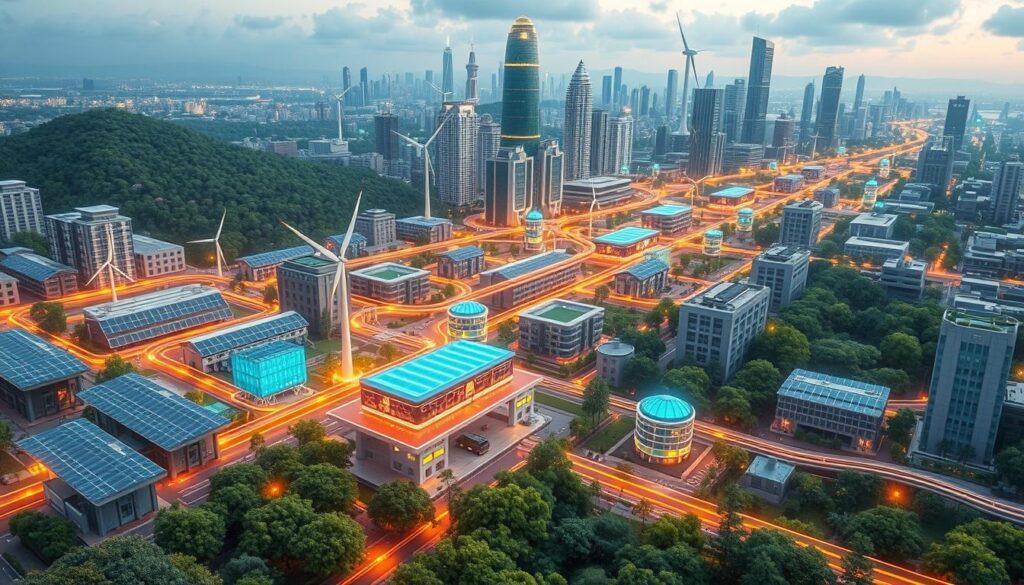
Peak shaving, a technique used to reduce energy consumption during high-demand periods, is made possible through smart grid technologies. By leveraging battery storage and intelligent load management, utilities can optimize energy distribution and avoid costly infrastructure upgrades.
The integration of these technologies offers numerous benefits:
- Improved grid stability
- Reduced energy costs
- Enhanced renewable energy integration
- Increased reliability during power outages
| Technology | Primary Function | Impact on Grid |
|---|---|---|
| Battery Storage | Energy Storage | Balances supply and demand |
| Microgrids | Localized Power | Enhances resilience |
| Peak Shaving | Demand Management | Reduces strain on grid |
As smart grid technologies continue to evolve, the optimization of energy storage and distribution will play an increasingly vital role in creating a more sustainable and efficient power system.
Cybersecurity and Data Protection in Smart Grids
Smart grids bring incredible benefits to energy systems, but they also introduce new privacy concerns and cyber threats. As these grids become more interconnected, grid security becomes paramount. Protecting sensitive data and infrastructure from malicious attacks is crucial for maintaining the integrity of our power systems.
Data encryption plays a vital role in safeguarding information transmitted across smart grid networks. Advanced encryption algorithms help prevent unauthorized access to sensitive data, such as consumer energy usage patterns and grid operational details. Implementing robust encryption protocols is essential for maintaining trust in smart grid systems.
To address growing privacy concerns, smart grid operators must adopt stringent data protection measures. This includes implementing access controls, regular security audits, and anonymizing personal information whenever possible. By prioritizing user privacy, grid operators can build trust with consumers while reaping the benefits of advanced energy management.
| Cybersecurity Measure | Function | Impact on Grid Security |
|---|---|---|
| Firewalls | Block unauthorized network access | Prevents external attacks |
| Intrusion Detection Systems | Monitor network for suspicious activity | Early warning of potential breaches |
| Multi-factor Authentication | Verify user identity | Reduces risk of unauthorized access |
| Regular Software Updates | Patch vulnerabilities | Closes security loopholes |
As smart grids evolve, so do the tactics of cyber attackers. Grid operators must remain vigilant and continuously update their security measures to stay ahead of emerging threats. By investing in robust cybersecurity infrastructure and fostering a culture of security awareness, we can harness the full potential of smart grids while keeping our energy systems safe and reliable.
Economic and Environmental Impact
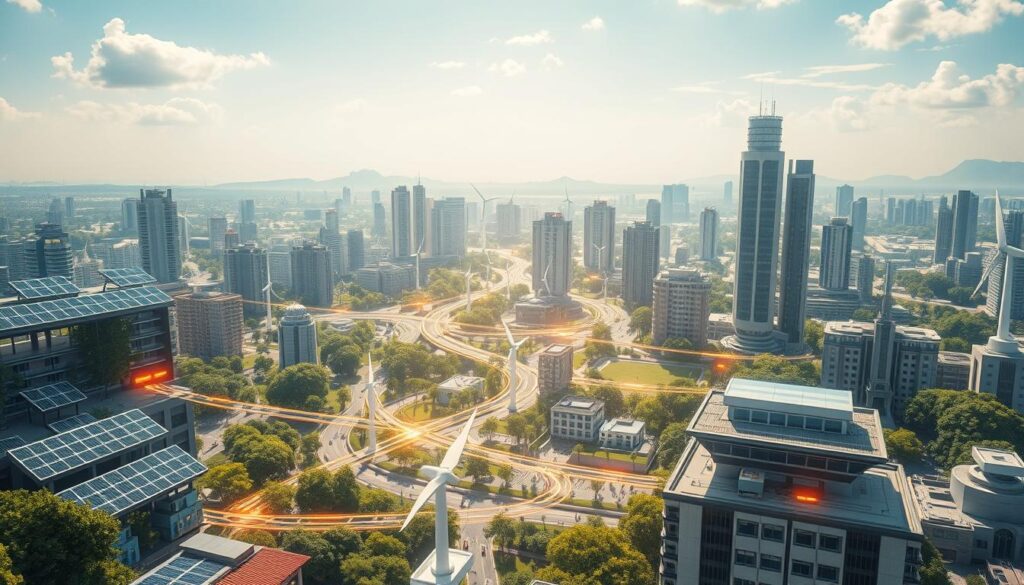
Smart grids are driving significant cost savings and carbon reduction across the energy sector. Utilities can optimize power distribution, cutting waste and operational expenses. These savings often trickle down to consumers through lower electricity bills. The improved efficiency also leads to substantial carbon emission reductions, as less energy is wasted in transmission and distribution.
The transformation of the energy market through smart grid adoption is creating new job opportunities. From installation and maintenance of smart meters to data analysis and software development, the smart grid industry is fostering job creation across various skill levels. This growth is particularly evident in renewable energy integration, where smart grids play a crucial role.
| Impact Area | Benefits |
|---|---|
| Economic | Cost savings, job creation, market growth |
| Environmental | Carbon reduction, efficient resource use |
| Social | Energy accessibility, consumer empowerment |
The energy market transformation brought about by smart grids is reshaping how we produce, distribute, and consume electricity. By enabling better integration of renewable sources and improving overall grid resilience, smart grids are paving the way for a more sustainable and efficient energy future.
“Smart grids are not just about technology; they’re about creating a more sustainable, efficient, and equitable energy ecosystem for everyone.”
Conclusion
Smart grids are paving the way for the future of energy. They’ve become essential in the push for sustainable power systems. By seamlessly integrating renewable energy sources, these advanced networks are reshaping our electricity landscape.
Grid modernization efforts are crucial for meeting growing energy demands. Smart grids offer real-time monitoring, improved energy storage, and optimized distribution. These features enable a more efficient and reliable power supply, reducing waste and costs.
As we look ahead, continued investment in smart grid technology is vital. It’s not just about powering our homes and businesses. It’s about creating a cleaner, greener future for generations to come. Smart grids are the key to unlocking a sustainable energy future, making them an indispensable part of our path forward.
FAQ
What is a smart grid?
How do smart grids support renewable energy integration?
What are the key components of smart grid technology?
How do smart grids improve energy efficiency?
What role does energy storage play in smart grids?
Are there any cybersecurity concerns with smart grids?
What economic benefits do smart grids offer?
How do smart grids handle power outages?
What is a microgrid, and how does it relate to smart grids?
How do smart grids contribute to sustainable energy goals?
