
Safety concerns in electric micro-mobility devices
As electric micro-mobility devices, such as e-bikes and e-scooters, gain popularity, electric micro-mobility safety has become a pressing issue.
With the rise of personal ownership, it’s essential to address the safety concerns surrounding these devices, particularly e-bike safety and e-scooter safety. Lithium-ion batteries, commonly used in these devices, pose significant safety risks if not used correctly or damaged.
According to the National Fire Protection Association (NFPA), practicing safety tips, such as ensuring all items are UL listed and following manufacturer instructions, is crucial for electric micro-mobility safety. By understanding these guidelines, riders can ensure a safe and enjoyable experience. The increasing popularity of e-bikes and e-scooters has led to a growing need for awareness about safety fundamentals, making e-bike safety and e-scooter safety a top priority.
With over 200 fires related to uncertified e-bike batteries, scooters, and mopeds, it’s clear that electric micro-mobility safety is a concern that needs to be addressed. By promoting safe practices, such as proper storage of batteries and using dedicated chargers, we can reduce the risk of accidents and ensure a safe riding experience for all. As the demand for e-bikes and e-scooters continues to grow, it’s essential to prioritize electric micro-mobility safety and take steps to mitigate potential risks.
Understanding Electric Micro-mobility Safety Fundamentals
As the use of electric micro-mobility devices continues to grow, it’s essential to understand the safety fundamentals that come with them. Micro-mobility regulations play a significant role in ensuring that users are safe while using these devices. For instance, campus expectations, such as walking e-scooters on walkways and parking them appropriately, are part of these regulations.
Understanding local laws and regulations is crucial for a safe and enjoyable experience. Electric vehicle safety tips can also help users navigate the roads safely. Some of these tips include wearing protective gear, following traffic rules, and being aware of one’s surroundings.
Regulatory bodies also play a significant role in ensuring safety standards. They provide guidelines and regulations that manufacturers and users must follow. By understanding these regulations and following electric vehicle safety tips, users can minimize the risk of accidents and ensure a safe and enjoyable experience.
- Since 2017, there has been a proliferation of start-ups distributing electric kick-scooters for shared mobility systems across the U.S.
- In 2020, shared micromobility ridership returned to pre-pandemic levels.
- There are 176 existing PTD regulations across jurisdictions.
By understanding micro-mobility regulations and following electric vehicle safety tips, users can ensure a safe and enjoyable experience while using electric micro-mobility devices.
| Year | Number of Trips |
|---|---|
| 2017 | 10 million |
| 2018 | 45 million |
| 2020 | 100 million |
Essential Safety Gear for Electric Micro-mobility Users
When it comes to personal transportation safety, wearing proper gear is crucial. This includes helmets, knee pads, and elbow pads to protect riders in case of accidents. According to the Ultimate Guide to Electric Scooter Safety, proper safety gear can significantly reduce the risk of injury. In addition to protective gear, e-bike accessories such as bells and lights can also enhance safety by increasing visibility and alerting others to the rider’s presence.
Some essential safety gear for electric micro-mobility users includes:
- Helmets that meet safety standards
- Knee and elbow pads for added protection
- Reflective vests or clothing to increase visibility
- Bells or other audible warning devices
- Lights, such as headlights and taillights, to increase visibility
By wearing proper safety gear and using e-bike accessories, riders can significantly reduce their risk of injury and enhance their personal transportation safety. It’s also important to regularly inspect and maintain safety gear and e-bike accessories to ensure they are in good working condition.
Remember, safety should always be the top priority when using electric micro-mobility devices. By taking the necessary precautions and wearing proper safety gear, riders can enjoy a safe and enjoyable ride. Always prioritize personal transportation safety and take the necessary steps to protect yourself and others on the road.
| Safety Gear | Description |
|---|---|
| Helmets | Protects the head in case of accidents |
| Knee and Elbow Pads | Provides added protection for joints |
| Reflective Vests or Clothing | Increases visibility to others on the road |
Pre-ride Safety Checks and Preparations
Before hitting the road on an e-scooter, it’s essential to perform pre-ride safety checks and preparations to ensure a safe and enjoyable ride. This includes checking the tires, brakes, and lights to ensure everything is in working order. Regular maintenance is crucial in preventing accidents and injuries. By following e-scooter safety tips and performing pre-ride checks, riders can significantly reduce the risk of accidents.
A key part of pre-ride safety checks is ensuring the e-scooter is properly maintained and functional. This includes checking the brakes, tires, and lights, as well as ensuring the battery is fully charged. Riders should also be aware of their surroundings and follow traffic laws and regulations. By taking these precautions, riders can help prevent accidents and ensure a safe and enjoyable ride.
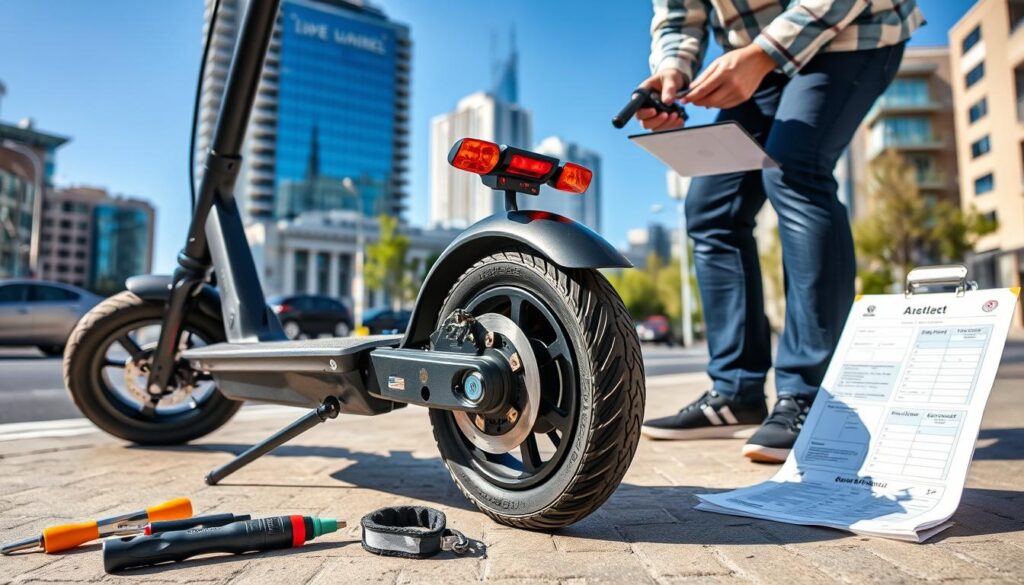
- Checking the tires for proper inflation and damage
- Ensuring the brakes are functioning properly
- Testing the lights to ensure they are working
- Checking the battery level and charging the e-scooter if necessary
By following thesee-scooter safety tipsand performing regularpre-ride checks, riders can help ensure a safe and enjoyable ride.
Understanding Your Device’s Safety Features
When it comes to electric micro-mobility devices, understanding the safety features is crucial for a safe and enjoyable ride. Device safety is a top priority, and familiarizing yourself with the features of your device can make all the difference. From brakes to lights, knowing how to use these features correctly can significantly reduce the risk of accidents.
A key aspect of electric micro-mobility safety features is the ability to control the device’s speed and braking system. Most devices come equipped with brakes that can be activated by a lever or button, and some even have regenerative braking systems that help to recharge the battery. Additionally, many devices have lights that can be turned on to increase visibility, especially when riding in low-light conditions.
Some important safety features to look out for in your device include:
* Brakes that can be easily activated
* Lights that can be turned on and off
* A bell or horn to alert pedestrians and other riders
* Reflectors or reflective materials to increase visibility
* A sturdy and durable frame that can withstand rough terrain
By understanding and utilizing these electric micro-mobility safety features, you can significantly reduce the risk of accidents and ensure a safe and enjoyable ride. Remember to always follow traffic rules and regulations, and to wear protective gear such as a helmet and knee pads. With the right knowledge and precautions, you can enjoy the benefits of electric micro-mobility while minimizing the risks.
| Device Feature | Importance |
|---|---|
| Brakes | High |
| Lights | High |
| Reflectors | Medium |
Traffic Rules and Regulations for Electric Micro-mobility Devices
Understanding and adhering to micro-mobility traffic rules is crucial for safe navigation. Electric micro-mobility devices, such as scooters and bicycles, must follow the same traffic rules as cars and bicycles. This includes stopping at red lights and stop signs, riding in the correct lane, and yielding to pedestrians and other vehicles.
According to the electric vehicle regulations, users of micro-mobility devices must obey all applicable state and local traffic laws and regulations. This includes wearing helmets while operating these devices, as majority of bicyclists involved in fatal accidents were not wearing helmets. Additionally, micro-mobility devices should only be operated in areas where bicycle traffic is allowed, following all vehicular rules and regulations.
Some key guidelines for micro-mobility users include:
- Yielding to persons with disabilities, pedestrians, and bicyclists
- Not operating devices while under the influence of intoxicants
- Not obstructing accessible pathways, building entrances/exits, driveways, fire safety equipment, or emergency egress paths
By following these micro-mobility traffic rules and electric vehicle regulations, users can ensure a safe and enjoyable experience. As stated by traffic safety experts, a large percentage of crashes can be avoided if motorists and cyclists, as well as scooter and hoverboard riders, follow the rules of the road and watch out for each other.
Navigating Different Terrain Safely
When it comes to e-bike safety terrain, riders must be aware of the various micro-mobility road conditions they may encounter. Different terrains and road conditions require adjustments in riding technique and speed. For instance, paved roads are generally smoother and easier to navigate, while bike paths can be more challenging due to obstacles like potholes and gravel.
Riders should be prepared to adapt their riding style to various environments, taking into account factors like weather and lighting conditions. Wet or icy surfaces can be particularly hazardous, requiring riders to slow down and exercise extra caution. Being aware of one’s surroundings and adjusting speed accordingly is crucial for safe navigation.
Some key considerations for navigating different terrain safely include:
- Reducing speed on uneven or slippery surfaces
- Using proper braking techniques to avoid skidding or losing control
- Wearing appropriate safety gear, such as helmets and knee pads
- Staying alert and focused on the road ahead
By following these guidelines and being mindful of micro-mobility road conditions, e-bike riders can minimize their risk of accidents and ensure a safe and enjoyable ride.
| Terrain Type | Riding Tips |
|---|---|
| Paved Roads | Ride with confidence, but be aware of traffic and obstacles |
| Bike Paths | Watch for potholes and gravel, and be prepared to slow down |
| Wet or Icy Surfaces | Reduce speed and exercise extra caution to avoid skidding or losing control |
Battery Safety and Charging Protocols
Electric micro-mobility devices, such as e-bikes and e-scooters, have become increasingly popular, but their batteries can pose a significant safety risk if not handled properly. In 2023, there were 268 fires caused by lithium-ion batteries, with many incidents related to e-bikes. To mitigate this risk, it is essential to follow proper charging protocols and take steps to ensure electric micro-mobility battery safety.
Residents are advised to charge their e-micromobility devices outside and at room temperature, and to plug chargers directly into wall outlets. They should also avoid charging devices near exits, placing them in direct sunlight, charging in bedrooms or on surfaces other than the floor, and using extension cords for charging. The following are some key safety tips to keep in mind:
- Charge devices in a well-ventilated area, away from flammable materials
- Avoid overcharging or undercharging batteries
- Keep batteries away from children and pets
- Dispose of lithium-ion batteries at Special Waste Drop-Off Sites for recycling
By following these safety tips and charging protocols, users can help prevent fires and ensure the safe use of electric micro-mobility devices. It is also essential to be aware of the potential risks associated with lithium-ion batteries and to take steps to mitigate them. For more information on standards and regulations regarding lithium-ion batteries, residents can visit nyc.gov/fdny/batteries.
| Safety Tip | Description |
|---|---|
| Charge devices in a well-ventilated area | Away from flammable materials |
| Avoid overcharging or undercharging batteries | To prevent damage and reduce the risk of fire |
| Keep batteries away from children and pets | To prevent accidental ingestion or damage |
Night Riding and Visibility Considerations
When it comes to night riding safety, visibility considerations are crucial. Electric scooter riders must take extra precautions to be seen by other road users. According to the legal requirements in the United States, electric scooters must have a white front light and a red rear light visible from a minimum distance of 500 feet.
Proper lighting can increase rider confidence and safety by aiding in seeing obstacles, improving visibility to others on the road, and overall promoting safer riding practices. Some electric scooter manufacturers may compromise safety features like lights and reflectors to lower costs, resulting in many cheaper scooters having inadequate or nonexistent lighting systems.
Additional lights, reflectors, and reflective clothing can further aid in increasing the rider’s visibility to others on the road, promoting safer riding practices. Enhanced safety with proper lighting can help riders avoid accidents by seeing road obstacles, make them more visible to other road users, and contribute to overall road safety.
Electric scooters should ideally include not only bright LED headlights but also rear lights and brake lights for comprehensive safety, especially crucial for night or low-light riding conditions. By prioritizing night riding safety and visibility considerations, riders can significantly reduce the risk of accidents and injuries, ensuring a safer and more enjoyable riding experience.
Emergency Response and Accident Prevention
Electric micro-mobility accident prevention is crucial for ensuring the safety of users. According to recent statistics, the number of emergency room visits due to micro-mobility products has increased significantly, with over 190,000 visits between 2017 and 2020. Emergency response plans should be in place to handle such incidents. This includes knowing what to do in case of an accident, who to contact, and the importance of reporting incidents.
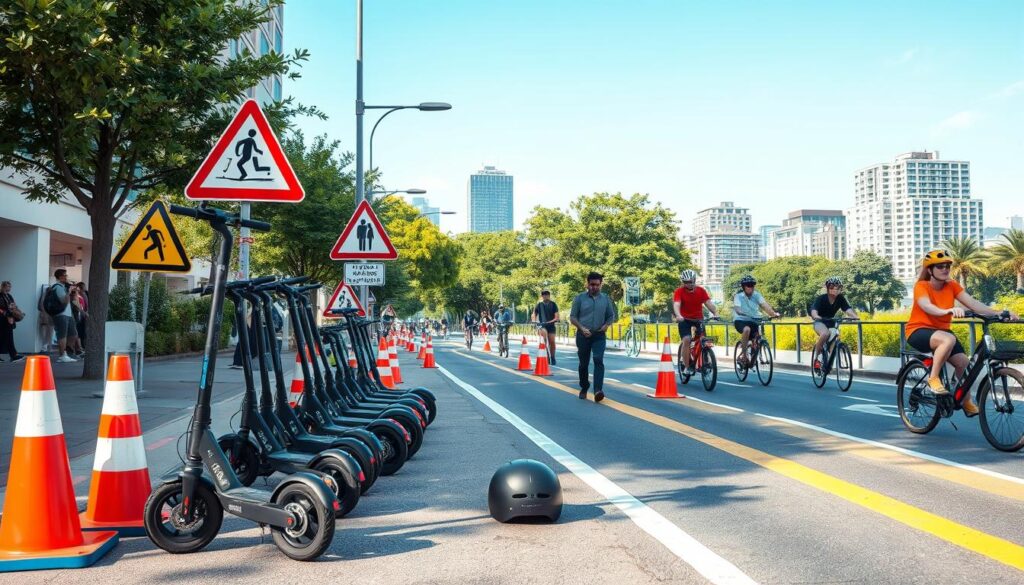
To prevent accidents, users should adopt defensive riding practices, such as being aware of potential hazards and following traffic laws. Wearable helmets are also strongly recommended, as roughly one third of accidents result in head injuries. By prioritizing traffic awareness and visibility, users can enhance road safety and reduce the risk of accidents.
Some key strategies for electric micro-mobility accident prevention include:
- Following traffic laws and regulations
- Wearing protective gear, such as helmets
- Being aware of potential hazards, such as potholes or pedestrians
- Adopting defensive riding practices, such as yielding to other road users
| Year | Number of Emergency Room Visits |
|---|---|
| 2017 | 34,000 |
| 2018 | 44,000 |
| 2019 | 54,800 |
| 2020 | 57,800 |
By understanding the importance of electric micro-mobility accident prevention and emergency response, users can take steps to ensure their safety and the safety of others on the road.
Maintaining Your Device for Optimal Safety Performance
Regular electric micro-mobility device maintenance is crucial for ensuring the device operates safely and efficiently. The Consumer Product Safety Commission (CPSC) emphasizes the risk of fire in micro-mobility devices like e-bikes due to lithium-ion batteries. To mitigate this risk, it is recommended to regularly inspect e-bike batteries and chargers for damage and store them in cool, dry places away from flammable materials.
Proper safety performance also depends on following traffic laws, including signals and lane markings, and wearing a helmet to protect against head injuries. Additionally, having bright lights on e-bikes, such as a headlight and taillight, enhances visibility and safety on the road. By following these guidelines and performing regular maintenance, users can ensure their electric micro-mobility devices operate safely and efficiently.
- Regularly inspecting the battery and charger for damage
- Storing the battery in a cool, dry place when not in use
- Avoiding extreme temperatures that can negatively impact battery performance
- Following manufacturer guidelines for weight limits, recommended riding conditions, and maintenance
| Maintenance Task | Frequency | Importance |
|---|---|---|
| Inspecting the battery and charger | Regularly | High |
| Storing the battery in a cool, dry place | When not in use | High |
| Following manufacturer guidelines | Ongoing | High |
Conclusion: Embracing Safe Electric Micro-mobility Practices
As the urban landscape continues to evolve towards more sustainable transportation, the importance of embracing safe electric micro-mobility safety practices cannot be overstated. By prioritizing safe riding habits and adhering to best practices, riders can contribute to a safer and more enjoyable micro-mobility experience for all.
From conducting thorough pre-ride safety checks to understanding the unique features and capabilities of your device, every step you take can make a significant difference. Equipping yourself with the right safety gear, navigating traffic rules and regulations, and being vigilant about battery safety and charging protocols are all essential components of responsible micro-mobility use.
As the micro-mobility industry continues to grow, with an estimated 128 million trips taken on shared modes in 2022, it’s crucial that riders recognize their role in fostering a culture of safety. By setting a positive example and encouraging others to do the same, we can collectively work towards making our cities more accessible, efficient, and environmentally friendly for all.
FAQ
What are the NFPA’s guidelines for ensuring the safety of electric micro-mobility devices?
Why is understanding local laws and regulations crucial for safe electric micro-mobility use?
What essential safety gear should electric micro-mobility users have?
Why is it important to perform pre-ride safety checks and preparations?
How can understanding the safety features of electric micro-mobility devices contribute to a safer riding experience?
What are the key considerations for navigating traffic safely with electric micro-mobility devices?
How can riders adapt their riding style to navigate different terrains safely?
What are the important considerations for battery safety and charging protocols?
What strategies can riders use to enhance visibility and safety during night riding?
What should riders do in case of an accident, and how can they prevent accidents?
Why is regular maintenance essential for ensuring the optimal safety performance of electric micro-mobility devices?
