
Electric SUVs Gaining Popularity: Best Options & Comparing Range, Price
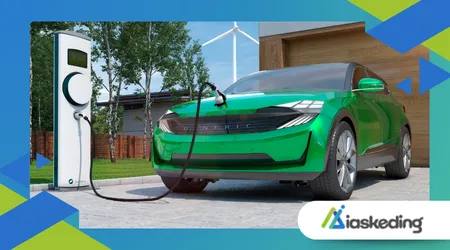
The automotive landscape is undergoing a profound transformation, and the surge of Electric SUVs Gaining Popularity is undeniable.
These versatile vehicles, blending the utility of a sport-utility with the clean power of electric propulsion, are quickly becoming the default choice for modern drivers.
The Allure of the Electric Crossover
It’s not hard to see why this segment is accelerating so rapidly. Electric SUVs offer a compelling combination of elevated seating, generous cargo space, and often superior all-wheel-drive capability.
This trifecta of attributes addresses the practical needs of families and adventurers alike. Drivers appreciate the commanding road presence and easy entry and exit of a higher-riding vehicle.
The inherent design of an SUV also proves advantageous for battery placement. A larger frame easily accommodates a sizable battery pack beneath the floor, enhancing both range and stability.
This thoughtful integration contributes to a lower center of gravity, which surprisingly improves handling despite the vehicle’s height. The result is a ride that feels secure and responsive.
++ How Electric Cars Are Changing Urban Parking Lot Design
Navigating Range and Price: Key Considerations
For many prospective buyers, the critical factors remain range and price. These two variables heavily influence the adoption rate of electric vehicles across all demographics.
Technological advancements are rapidly pushing boundaries, with range figures steadily climbing each model year. Today’s best performers regularly exceed 300 miles on a single charge.
This extended capability significantly mitigates ‘range anxiety,’ making long-distance travel a viable and stress-free option. The perception of EVs as purely city cars is fading fast.
Conversely, the initial purchase price of an electric SUV can still present a barrier. While battery costs are declining, the cutting-edge technology maintains a premium price point.
However, when considering the total cost of ownership, the equation changes drastically. Lower maintenance and fuel costs often make the EV a financially smarter long-term investment.
It’s like comparing a high-efficiency furnace to an older model—the upfront cost is higher, but the long-term savings on energy bills justify the expenditure. This intelligent calculation is key.
++ Top Hidden Costs of Owning an Electric Vehicle
Top Contenders and Their Vital Statistics
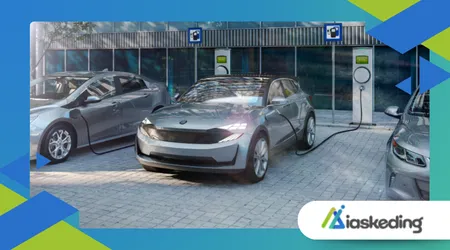
The market is currently flooded with excellent options, making a direct comparison essential for an informed choice. Different manufacturers are vying for dominance in this lucrative space.
Consider the wildly successful Hyundai IONIQ 5 and the luxurious Audi Q4 e-tron as prime examples of segment variety. They cater to different budgets but share a commitment to quality.
The American-made Ford Mustang Mach-E continues to be a strong seller, offering a blend of heritage-inspired design and modern electric performance. Its appeal is broad and powerful.
Tesla’s Model Y, despite its polarizing design, remains the benchmark for range efficiency and charging infrastructure access. Its network is a massive competitive advantage.
++ The Myth of Zero Maintenance in Electric Vehicles
The emerging players from Europe and Asia are also pushing innovative designs and features, further increasing the competitive pressure on established automakers. Consumers win with choice.
| Model | Estimated EPA Range (Miles) | Starting MSRP (Approx.) |
| Tesla Model Y (Long Range) | 310 | $47,740 |
| Hyundai IONIQ 5 (Long Range) | 303 | $45,700 |
| Ford Mustang Mach-E (Extended Range) | 310 | $46,995 |
The Environmental and Financial Argument
The transition to electric vehicles offers tangible environmental benefits, a significant draw for many contemporary consumers. Reduced tailpipe emissions directly improve air quality in urban centers.
Furthermore, the decrease in reliance on fossil fuels contributes to energy independence and a reduction in global carbon emissions. This global impact is the most profound benefit.
++ The best electric SUVs money can buy in 2025: our choices ranked
According to a 2024 report by BloombergNEF (BNEF), global passenger EV sales are projected to pass 30 million units annually by 2030. This robust statistic underlines the exponential growth trajectory of the entire sector.
This undeniable trend confirms that the Electric SUVs Gaining Popularity movement is not a fleeting fad, but a fundamental shift in transportation. It is a long-term economic and environmental reality.
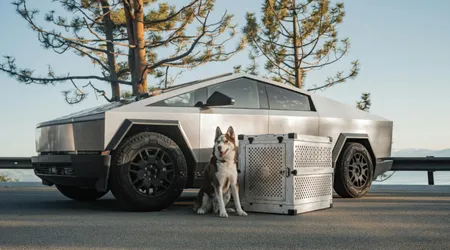
Beyond the Numbers: Intelligent Design and Performance
Modern electric SUVs are technological marvels, integrating sophisticated driver-assistance systems and connectivity features. Their cabins often feel more like lounges than traditional car interiors.
The immediate and silent torque delivered by the electric powertrain provides an exhilarating driving experience. Acceleration is often surprisingly quick, even in family-focused models.
This performance characteristic redefines what a family vehicle can be. Imagine effortlessly merging onto a freeway in near silence—it transforms the daily commute.
Manufacturers are embracing a minimalist design ethos, leveraging the absence of a large engine block to create “frunks” (front trunks) and maximized interior volume. This is intelligent space utilization.
The competition among manufacturers is a positive force, consistently driving down prices and increasing innovation in battery density and charging speed. We are entering a golden age of EV development.
The Future is Elevated and Electric
The momentum of the Electric SUVs Gaining Popularity wave is unstoppable. They represent the sweet spot in the market—the perfect blend of form, function, and future-forward technology.
The growing charging infrastructure, coupled with improving battery technology, makes the case for an electric SUV more compelling every day.
Why would anyone choose to pollute the air if a better, cleaner alternative exists?
This market segment is a dynamic theater of innovation, where brands constantly introduce new models with greater range and more competitive pricing. The consumer has never had more power.
As we move deeper into the decade, expect the electric crossover to solidify its position as the dominant family vehicle globally. The age of the internal combustion engine SUV is drawing to a close.
Conclusion: Making the Smart Shift
Choosing an electric SUV today is a vote for a sustainable future and a choice for a superior driving experience. The options are numerous, and the technology is mature and reliable.
The initial investment is offset by significant long-term savings and a dramatically reduced carbon footprint. The sheer speed at which Electric SUVs Gaining Popularity shows no signs of slowing down.
Embrace the change, research the best fit for your lifestyle, and join the electric revolution. The road ahead is long, silent, and entirely electric.
Frequently Asked Questions
Are electric SUVs good for towing?
Yes, many electric SUVs, particularly those with dual motors, offer substantial towing capacities due to the instantaneous torque of electric motors.
Always check the specific manufacturer’s rating for your chosen model.
How long does it take to charge an electric SUV?
Charging times vary significantly. Using a Level 1 (standard wall outlet) charger can take days, a Level 2 (home or public) charger typically takes 6-12 hours for a full charge, and a DC fast charger can replenish the battery from 10% to 80% in about 20-40 minutes, depending on the vehicle’s architecture and the charger’s speed.
Is the resale value of an electric SUV strong?
Currently, the resale value for many popular electric SUV models has remained strong, often comparable to or exceeding their gasoline counterparts, primarily due to high demand and the longevity of modern battery packs.
Do electric SUVs handle well in snow?
Electric SUVs with all-wheel-drive (AWD) often perform exceptionally well in snow and slippery conditions.
The precise electronic control over torque distribution to each wheel is superior to mechanical AWD systems, offering excellent traction and stability.
