
Exploring the Cost of Ownership for Electric Cars
As sustainable transportation gains traction, more drivers are considering the switch to electric vehicles. But understanding EV ownership costs is key to making an informed decision. From the initial purchase price to long-term savings, electric vehicle expenses can differ significantly from traditional gas-powered cars.
When weighing the cost comparison between EVs and conventional cars, it’s important to look beyond the sticker price. Charging costs, maintenance needs, and potential incentives all play a role in the total cost of ownership. By examining these factors closely, you can get a clearer picture of what EV ownership truly entails.
Let’s dive into the key aspects that shape the financial landscape of owning an electric car, from day-to-day expenses to long-term benefits. Understanding these elements will help you decide if an EV aligns with your budget and lifestyle goals.
Understanding Electric Car Ownership Costs
When considering an electric vehicle (EV), it’s crucial to look beyond the EV purchase price. The total cost of ownership for electric vs. gas vehicles involves several cost factors that can significantly impact your long-term expenses.
Electric cars often have a higher upfront cost compared to their gas-powered counterparts. Yet, various incentives can offset this initial investment:
- Federal tax credits (up to $7,500)
- State rebates
- Local incentives
- Utility company discounts
| Cost Factor | Electric Vehicle | Gas Vehicle |
|---|---|---|
| Fuel | $0.03-$0.06 per mile | $0.08-$0.15 per mile |
| Maintenance | Lower (fewer moving parts) | Higher (more complex engine) |
| Insurance | Slightly higher | Lower |
| Depreciation | Faster in early years | More stable |
While the initial EV purchase price may be higher, the long-term savings on fuel and maintenance can lead to a lower total cost of ownership. As technology advances and production scales up, we can expect EV prices to become more competitive, further tipping the scales in favor of electric vehicles.
Charging Infrastructure and Expenses
Electric car owners face unique considerations when it comes to charging. Home charging offers convenience but requires an initial investment. Installing a Level 2 charger can cost between $500 to $2,000, depending on your home’s electrical setup. This upfront expense often pays off in the long run with lower charging costs compared to public stations.
Public charging stations provide flexibility for longer trips. While some offer free charging, most require payment. Rates vary widely, from $0.20 to $0.50 per kilowatt-hour. Fast-charging stations, ideal for road trips, typically charge higher rates but can replenish your battery in under an hour.
Electricity rates play a crucial role in overall charging costs. Many utilities offer special time-of-use rates for EV owners, with lower prices during off-peak hours. By charging overnight, you can significantly reduce your expenses.
| Charging Type | Average Cost | Charging Time |
|---|---|---|
| Home Charging (Level 2) | $0.13/kWh | 6-8 hours |
| Public Level 2 | $0.30/kWh | 4-6 hours |
| DC Fast Charging | $0.40/kWh | 30-60 minutes |
When comparing to gas-powered vehicles, EV charging costs are generally lower. A typical electric car might cost $10 to $15 for a full charge, providing 200-300 miles of range. The equivalent gasoline cost for the same range could be $30 to $50, depending on fuel prices and vehicle efficiency.
Maintenance and Repair Considerations
Electric vehicles offer a refreshing change in maintenance requirements compared to traditional cars. EV maintenance costs are generally lower due to fewer moving parts and simpler mechanical systems. Servicing electric cars typically involves routine checks of brakes, tires, and suspension components.
One significant advantage of EVs is the reduced need for oil changes and transmission services. This translates to fewer visits to the mechanic and lower overall repair expenses. Electric motors are highly efficient and require minimal upkeep, contributing to long-term savings.
Preventive maintenance plays a crucial role in keeping electric cars in top shape. Regular battery health checks and software updates are essential for optimal performance. While specialized EV technicians may charge higher rates, the decreased frequency of servicing often offsets these costs.
“Electric vehicles can save owners up to 50% on maintenance costs over the life of the vehicle compared to gas-powered cars.”
Despite lower overall maintenance needs, EVs may face unique challenges. Battery degradation and potential replacement represent significant long-term expenses. Owners should factor these considerations into their total cost of ownership calculations.
| Maintenance Item | Electric Vehicle | Gas Vehicle |
|---|---|---|
| Oil Changes | Not required | Every 3,000-7,500 miles |
| Brake Pad Replacement | Less frequent due to regenerative braking | Every 30,000-70,000 miles |
| Transmission Service | Not required | Every 60,000-100,000 miles |
Insurance and Registration Expenses
EV insurance rates often differ from those of traditional vehicles. Electric cars pack advanced technology, leading to higher repair costs. This can drive up insurance premiums. Yet, some insurers offer discounts for eco-friendly vehicles, balancing out the expenses.
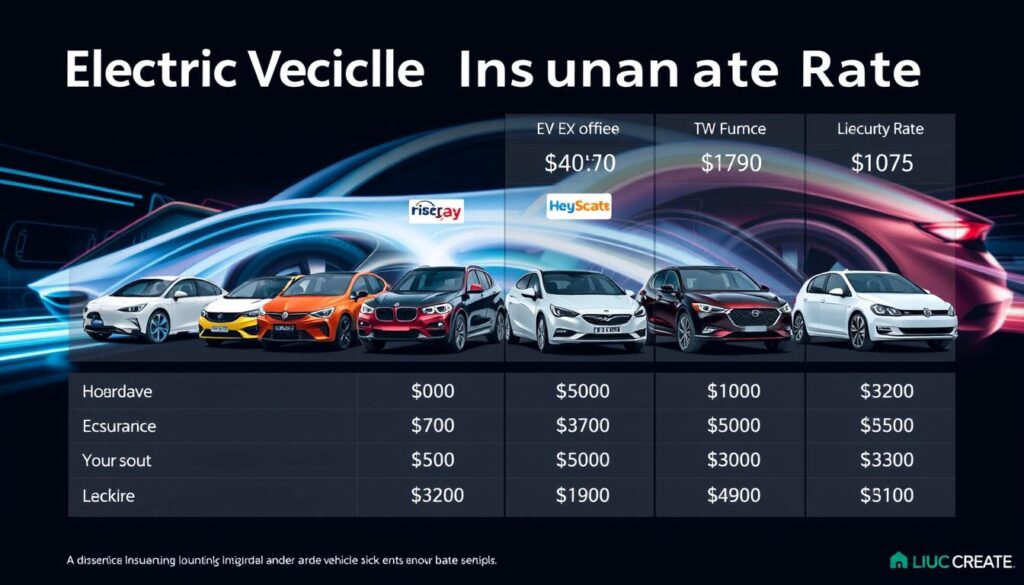
When considering an electric car purchase, factor in electric car registration fees. Some states impose extra charges on EVs to compensate for lost gas tax revenue. These fees vary widely, ranging from $50 to $200 annually. Check your local vehicle licensing office for specific details.
An insurance comparison is crucial for potential EV owners. Rates can fluctuate based on factors like the car’s make, model, and your driving history. Shop around and get quotes from multiple providers to find the best coverage at competitive prices.
| Expense Type | Electric Vehicle | Gas-Powered Vehicle |
|---|---|---|
| Average Annual Insurance | $1,700 | $1,450 |
| Registration Fees | $150 (includes EV fee) | $75 |
While initial costs might seem higher, remember that EVs often lead to long-term savings through reduced fuel and maintenance expenses. Consider these factors alongside insurance and registration costs when evaluating the total cost of ownership for an electric vehicle.
Battery Replacement and Longevity
EV battery life is a key factor in the long-term ownership of electric vehicles. Most EV batteries are designed to last 8 to 10 years or around 100,000 miles. Battery degradation occurs gradually, affecting range and performance over time.
- Charging habits
- Climate conditions
- Driving patterns
- Battery management systems
Battery replacement costs can be substantial, ranging from $5,000 to $15,000 depending on the vehicle model and battery capacity. This expense is often a concern for potential EV buyers.
Warranty coverage plays a crucial role in mitigating battery replacement costs. Many manufacturers offer warranties spanning 8 years or 100,000 miles, covering significant battery capacity loss.
| Manufacturer | Warranty Period | Capacity Loss Coverage |
|---|---|---|
| Tesla | 8 years / 100,000-150,000 miles | 70% capacity retention |
| Nissan | 8 years / 100,000 miles | 66.25% capacity retention |
| Chevrolet | 8 years / 100,000 miles | 60% capacity retention |
Emerging technologies in battery manufacturing and recycling are expected to reduce future battery replacement costs and improve longevity, making EVs more attractive for long-term ownership.
Long-Term Savings Analysis
Electric vehicles offer substantial EV cost savings over time. When comparing electric cars to gas-powered vehicles, the initial purchase price may be higher, but the long-term benefits are significant. Fuel savings play a major role in this equation, as electricity costs are typically lower and more stable than gasoline prices.
Reduced maintenance costs contribute to the overall savings. EVs have fewer moving parts, which means less wear and tear. This translates to lower repair expenses and less frequent service visits. Oil changes, for example, are a thing of the past with electric cars.
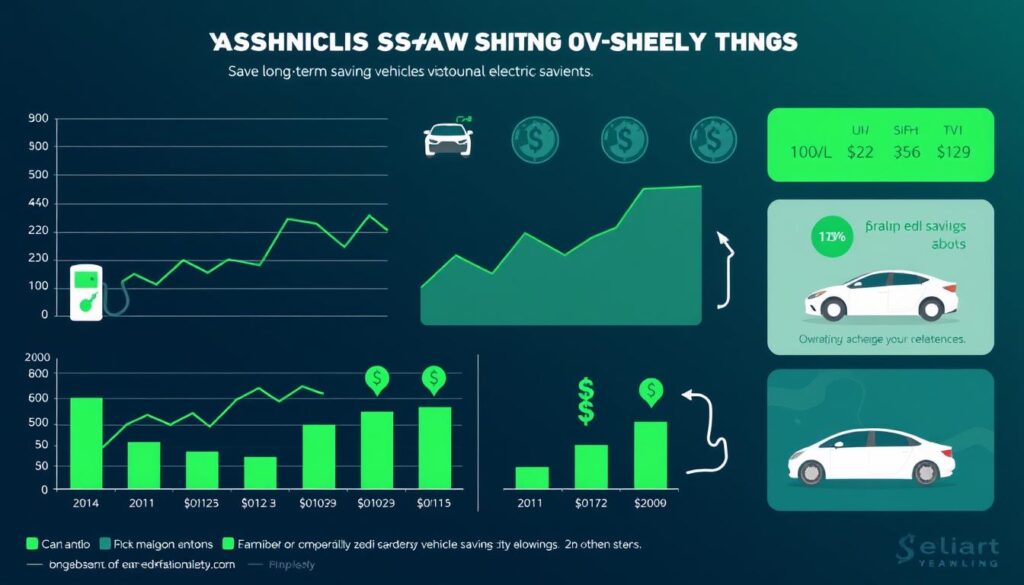
The return on investment for an electric vehicle can be realized within a few years of ownership. Let’s break down the potential savings over a 5-year period:
| Expense Category | Gas Vehicle | Electric Vehicle | 5-Year Savings |
|---|---|---|---|
| Fuel Costs | $7,500 | $2,500 | $5,000 |
| Maintenance | $3,000 | $1,500 | $1,500 |
| Total Savings | – | – | $6,500 |
These figures illustrate the potential for significant savings over time. The break-even point varies based on driving habits, local energy costs, and the specific models compared. For many drivers, the financial benefits of EV ownership become evident within the first few years of use.
Conclusion
Electric cars are paving the way for cost-effective transportation and sustainable mobility. As we’ve explored, EV ownership benefits extend beyond environmental advantages. The initial higher purchase price is often offset by lower operating costs, including reduced fuel expenses and simplified maintenance.
While charging infrastructure and battery replacement concerns exist, ongoing advancements are addressing these challenges. The long-term savings analysis reveals that electric vehicles can be a smart financial choice for many drivers. As technology improves and economies of scale kick in, we can expect the cost of EV ownership to decrease further.
The future of electric cars looks bright. With governments worldwide pushing for cleaner transportation options, EVs are set to play a crucial role in our sustainable mobility future. As more people recognize the economic and environmental benefits, the adoption of electric vehicles is likely to accelerate, making them an increasingly attractive option for cost-conscious and eco-aware consumers alike.
FAQ
How much does it cost to buy an electric car?
Are electric cars cheaper to maintain than gas-powered vehicles?
How much does it cost to charge an electric car at home?
FAQ
How much does it cost to buy an electric car?
The cost of buying an electric car varies widely depending on the model and brand. Generally, electric vehicles (EVs) have a higher upfront cost compared to gas-powered cars. However, many affordable options are now available, with prices ranging from ,000 to 0,000+. It’s important to consider government incentives and tax credits that can significantly reduce the purchase price.
Are electric cars cheaper to maintain than gas-powered vehicles?
Yes, electric cars are typically cheaper to maintain than traditional gas-powered vehicles. EVs have fewer moving parts and don’t require oil changes, resulting in lower maintenance costs. However, some specialized repairs may be more expensive due to the advanced technology in EVs.
How much does it cost to charge an electric car at home?
The cost of charging an electric car at home depends on your local electricity rates and the size of your car’s battery. On average, it costs between
FAQ
How much does it cost to buy an electric car?
The cost of buying an electric car varies widely depending on the model and brand. Generally, electric vehicles (EVs) have a higher upfront cost compared to gas-powered cars. However, many affordable options are now available, with prices ranging from $30,000 to $100,000+. It’s important to consider government incentives and tax credits that can significantly reduce the purchase price.
Are electric cars cheaper to maintain than gas-powered vehicles?
Yes, electric cars are typically cheaper to maintain than traditional gas-powered vehicles. EVs have fewer moving parts and don’t require oil changes, resulting in lower maintenance costs. However, some specialized repairs may be more expensive due to the advanced technology in EVs.
How much does it cost to charge an electric car at home?
The cost of charging an electric car at home depends on your local electricity rates and the size of your car’s battery. On average, it costs between $0.03 to $0.06 per mile to charge an EV at home. This is significantly less expensive than fueling a gas-powered car, which typically costs $0.10 to $0.15 per mile.
What’s the lifespan of an electric car battery?
Most modern electric car batteries are designed to last 8 to 10 years or 100,000 to 200,000 miles. However, many EV owners report their batteries lasting even longer. The actual lifespan depends on factors such as charging habits, climate, and driving patterns.
How much does it cost to replace an electric car battery?
The cost of replacing an electric car battery can range from $4,000 to $20,000, depending on the make and model of the vehicle. However, battery technology is rapidly improving, and prices are expected to decrease over time. Many manufacturers offer warranties on EV batteries, which can help offset replacement costs.
Are there any special insurance considerations for electric cars?
Insurance rates for electric cars can be slightly higher than for gas-powered vehicles due to their higher purchase price and specialized repair needs. However, some insurance companies offer discounts for EV owners, recognizing their lower maintenance requirements and environmental benefits.
How long does it take to break even on the cost of an electric car?
The break-even point for an electric car varies depending on factors such as purchase price, driving habits, and local energy costs. On average, it takes about 3 to 7 years to recoup the higher upfront cost of an EV through savings on fuel and maintenance. After this point, EV owners typically enjoy significant long-term savings.
Are there any additional costs associated with owning an electric car?
While electric cars generally have lower operating costs, there are some additional expenses to consider. These may include installing a home charging station (which can cost $500 to $2,000) and potentially higher registration fees in some states. However, these costs are often offset by savings in other areas.
FAQ
How much does it cost to buy an electric car?
The cost of buying an electric car varies widely depending on the model and brand. Generally, electric vehicles (EVs) have a higher upfront cost compared to gas-powered cars. However, many affordable options are now available, with prices ranging from ,000 to 0,000+. It’s important to consider government incentives and tax credits that can significantly reduce the purchase price.
Are electric cars cheaper to maintain than gas-powered vehicles?
Yes, electric cars are typically cheaper to maintain than traditional gas-powered vehicles. EVs have fewer moving parts and don’t require oil changes, resulting in lower maintenance costs. However, some specialized repairs may be more expensive due to the advanced technology in EVs.
How much does it cost to charge an electric car at home?
The cost of charging an electric car at home depends on your local electricity rates and the size of your car’s battery. On average, it costs between
FAQ
How much does it cost to buy an electric car?
The cost of buying an electric car varies widely depending on the model and brand. Generally, electric vehicles (EVs) have a higher upfront cost compared to gas-powered cars. However, many affordable options are now available, with prices ranging from $30,000 to $100,000+. It’s important to consider government incentives and tax credits that can significantly reduce the purchase price.
Are electric cars cheaper to maintain than gas-powered vehicles?
Yes, electric cars are typically cheaper to maintain than traditional gas-powered vehicles. EVs have fewer moving parts and don’t require oil changes, resulting in lower maintenance costs. However, some specialized repairs may be more expensive due to the advanced technology in EVs.
How much does it cost to charge an electric car at home?
The cost of charging an electric car at home depends on your local electricity rates and the size of your car’s battery. On average, it costs between $0.03 to $0.06 per mile to charge an EV at home. This is significantly less expensive than fueling a gas-powered car, which typically costs $0.10 to $0.15 per mile.
What’s the lifespan of an electric car battery?
Most modern electric car batteries are designed to last 8 to 10 years or 100,000 to 200,000 miles. However, many EV owners report their batteries lasting even longer. The actual lifespan depends on factors such as charging habits, climate, and driving patterns.
How much does it cost to replace an electric car battery?
The cost of replacing an electric car battery can range from $4,000 to $20,000, depending on the make and model of the vehicle. However, battery technology is rapidly improving, and prices are expected to decrease over time. Many manufacturers offer warranties on EV batteries, which can help offset replacement costs.
Are there any special insurance considerations for electric cars?
Insurance rates for electric cars can be slightly higher than for gas-powered vehicles due to their higher purchase price and specialized repair needs. However, some insurance companies offer discounts for EV owners, recognizing their lower maintenance requirements and environmental benefits.
How long does it take to break even on the cost of an electric car?
The break-even point for an electric car varies depending on factors such as purchase price, driving habits, and local energy costs. On average, it takes about 3 to 7 years to recoup the higher upfront cost of an EV through savings on fuel and maintenance. After this point, EV owners typically enjoy significant long-term savings.
Are there any additional costs associated with owning an electric car?
While electric cars generally have lower operating costs, there are some additional expenses to consider. These may include installing a home charging station (which can cost $500 to $2,000) and potentially higher registration fees in some states. However, these costs are often offset by savings in other areas.
FAQ
How much does it cost to buy an electric car?
The cost of buying an electric car varies widely depending on the model and brand. Generally, electric vehicles (EVs) have a higher upfront cost compared to gas-powered cars. However, many affordable options are now available, with prices ranging from ,000 to 0,000+. It’s important to consider government incentives and tax credits that can significantly reduce the purchase price.
Are electric cars cheaper to maintain than gas-powered vehicles?
Yes, electric cars are typically cheaper to maintain than traditional gas-powered vehicles. EVs have fewer moving parts and don’t require oil changes, resulting in lower maintenance costs. However, some specialized repairs may be more expensive due to the advanced technology in EVs.
How much does it cost to charge an electric car at home?
The cost of charging an electric car at home depends on your local electricity rates and the size of your car’s battery. On average, it costs between
FAQ
How much does it cost to buy an electric car?
The cost of buying an electric car varies widely depending on the model and brand. Generally, electric vehicles (EVs) have a higher upfront cost compared to gas-powered cars. However, many affordable options are now available, with prices ranging from $30,000 to $100,000+. It’s important to consider government incentives and tax credits that can significantly reduce the purchase price.
Are electric cars cheaper to maintain than gas-powered vehicles?
Yes, electric cars are typically cheaper to maintain than traditional gas-powered vehicles. EVs have fewer moving parts and don’t require oil changes, resulting in lower maintenance costs. However, some specialized repairs may be more expensive due to the advanced technology in EVs.
How much does it cost to charge an electric car at home?
The cost of charging an electric car at home depends on your local electricity rates and the size of your car’s battery. On average, it costs between $0.03 to $0.06 per mile to charge an EV at home. This is significantly less expensive than fueling a gas-powered car, which typically costs $0.10 to $0.15 per mile.
What’s the lifespan of an electric car battery?
Most modern electric car batteries are designed to last 8 to 10 years or 100,000 to 200,000 miles. However, many EV owners report their batteries lasting even longer. The actual lifespan depends on factors such as charging habits, climate, and driving patterns.
How much does it cost to replace an electric car battery?
The cost of replacing an electric car battery can range from $4,000 to $20,000, depending on the make and model of the vehicle. However, battery technology is rapidly improving, and prices are expected to decrease over time. Many manufacturers offer warranties on EV batteries, which can help offset replacement costs.
Are there any special insurance considerations for electric cars?
Insurance rates for electric cars can be slightly higher than for gas-powered vehicles due to their higher purchase price and specialized repair needs. However, some insurance companies offer discounts for EV owners, recognizing their lower maintenance requirements and environmental benefits.
How long does it take to break even on the cost of an electric car?
The break-even point for an electric car varies depending on factors such as purchase price, driving habits, and local energy costs. On average, it takes about 3 to 7 years to recoup the higher upfront cost of an EV through savings on fuel and maintenance. After this point, EV owners typically enjoy significant long-term savings.
Are there any additional costs associated with owning an electric car?
While electric cars generally have lower operating costs, there are some additional expenses to consider. These may include installing a home charging station (which can cost $500 to $2,000) and potentially higher registration fees in some states. However, these costs are often offset by savings in other areas.
FAQ
How much does it cost to buy an electric car?
The cost of buying an electric car varies widely depending on the model and brand. Generally, electric vehicles (EVs) have a higher upfront cost compared to gas-powered cars. However, many affordable options are now available, with prices ranging from ,000 to 0,000+. It’s important to consider government incentives and tax credits that can significantly reduce the purchase price.
Are electric cars cheaper to maintain than gas-powered vehicles?
Yes, electric cars are typically cheaper to maintain than traditional gas-powered vehicles. EVs have fewer moving parts and don’t require oil changes, resulting in lower maintenance costs. However, some specialized repairs may be more expensive due to the advanced technology in EVs.
How much does it cost to charge an electric car at home?
The cost of charging an electric car at home depends on your local electricity rates and the size of your car’s battery. On average, it costs between
FAQ
How much does it cost to buy an electric car?
The cost of buying an electric car varies widely depending on the model and brand. Generally, electric vehicles (EVs) have a higher upfront cost compared to gas-powered cars. However, many affordable options are now available, with prices ranging from $30,000 to $100,000+. It’s important to consider government incentives and tax credits that can significantly reduce the purchase price.
Are electric cars cheaper to maintain than gas-powered vehicles?
Yes, electric cars are typically cheaper to maintain than traditional gas-powered vehicles. EVs have fewer moving parts and don’t require oil changes, resulting in lower maintenance costs. However, some specialized repairs may be more expensive due to the advanced technology in EVs.
How much does it cost to charge an electric car at home?
The cost of charging an electric car at home depends on your local electricity rates and the size of your car’s battery. On average, it costs between $0.03 to $0.06 per mile to charge an EV at home. This is significantly less expensive than fueling a gas-powered car, which typically costs $0.10 to $0.15 per mile.
What’s the lifespan of an electric car battery?
Most modern electric car batteries are designed to last 8 to 10 years or 100,000 to 200,000 miles. However, many EV owners report their batteries lasting even longer. The actual lifespan depends on factors such as charging habits, climate, and driving patterns.
How much does it cost to replace an electric car battery?
The cost of replacing an electric car battery can range from $4,000 to $20,000, depending on the make and model of the vehicle. However, battery technology is rapidly improving, and prices are expected to decrease over time. Many manufacturers offer warranties on EV batteries, which can help offset replacement costs.
Are there any special insurance considerations for electric cars?
Insurance rates for electric cars can be slightly higher than for gas-powered vehicles due to their higher purchase price and specialized repair needs. However, some insurance companies offer discounts for EV owners, recognizing their lower maintenance requirements and environmental benefits.
How long does it take to break even on the cost of an electric car?
The break-even point for an electric car varies depending on factors such as purchase price, driving habits, and local energy costs. On average, it takes about 3 to 7 years to recoup the higher upfront cost of an EV through savings on fuel and maintenance. After this point, EV owners typically enjoy significant long-term savings.
Are there any additional costs associated with owning an electric car?
While electric cars generally have lower operating costs, there are some additional expenses to consider. These may include installing a home charging station (which can cost $500 to $2,000) and potentially higher registration fees in some states. However, these costs are often offset by savings in other areas.
.03 to
FAQ
How much does it cost to buy an electric car?
The cost of buying an electric car varies widely depending on the model and brand. Generally, electric vehicles (EVs) have a higher upfront cost compared to gas-powered cars. However, many affordable options are now available, with prices ranging from $30,000 to $100,000+. It’s important to consider government incentives and tax credits that can significantly reduce the purchase price.
Are electric cars cheaper to maintain than gas-powered vehicles?
Yes, electric cars are typically cheaper to maintain than traditional gas-powered vehicles. EVs have fewer moving parts and don’t require oil changes, resulting in lower maintenance costs. However, some specialized repairs may be more expensive due to the advanced technology in EVs.
How much does it cost to charge an electric car at home?
The cost of charging an electric car at home depends on your local electricity rates and the size of your car’s battery. On average, it costs between $0.03 to $0.06 per mile to charge an EV at home. This is significantly less expensive than fueling a gas-powered car, which typically costs $0.10 to $0.15 per mile.
What’s the lifespan of an electric car battery?
Most modern electric car batteries are designed to last 8 to 10 years or 100,000 to 200,000 miles. However, many EV owners report their batteries lasting even longer. The actual lifespan depends on factors such as charging habits, climate, and driving patterns.
How much does it cost to replace an electric car battery?
The cost of replacing an electric car battery can range from $4,000 to $20,000, depending on the make and model of the vehicle. However, battery technology is rapidly improving, and prices are expected to decrease over time. Many manufacturers offer warranties on EV batteries, which can help offset replacement costs.
Are there any special insurance considerations for electric cars?
Insurance rates for electric cars can be slightly higher than for gas-powered vehicles due to their higher purchase price and specialized repair needs. However, some insurance companies offer discounts for EV owners, recognizing their lower maintenance requirements and environmental benefits.
How long does it take to break even on the cost of an electric car?
The break-even point for an electric car varies depending on factors such as purchase price, driving habits, and local energy costs. On average, it takes about 3 to 7 years to recoup the higher upfront cost of an EV through savings on fuel and maintenance. After this point, EV owners typically enjoy significant long-term savings.
Are there any additional costs associated with owning an electric car?
While electric cars generally have lower operating costs, there are some additional expenses to consider. These may include installing a home charging station (which can cost $500 to $2,000) and potentially higher registration fees in some states. However, these costs are often offset by savings in other areas.
.06 per mile to charge an EV at home. This is significantly less expensive than fueling a gas-powered car, which typically costs
FAQ
How much does it cost to buy an electric car?
The cost of buying an electric car varies widely depending on the model and brand. Generally, electric vehicles (EVs) have a higher upfront cost compared to gas-powered cars. However, many affordable options are now available, with prices ranging from $30,000 to $100,000+. It’s important to consider government incentives and tax credits that can significantly reduce the purchase price.
Are electric cars cheaper to maintain than gas-powered vehicles?
Yes, electric cars are typically cheaper to maintain than traditional gas-powered vehicles. EVs have fewer moving parts and don’t require oil changes, resulting in lower maintenance costs. However, some specialized repairs may be more expensive due to the advanced technology in EVs.
How much does it cost to charge an electric car at home?
The cost of charging an electric car at home depends on your local electricity rates and the size of your car’s battery. On average, it costs between $0.03 to $0.06 per mile to charge an EV at home. This is significantly less expensive than fueling a gas-powered car, which typically costs $0.10 to $0.15 per mile.
What’s the lifespan of an electric car battery?
Most modern electric car batteries are designed to last 8 to 10 years or 100,000 to 200,000 miles. However, many EV owners report their batteries lasting even longer. The actual lifespan depends on factors such as charging habits, climate, and driving patterns.
How much does it cost to replace an electric car battery?
The cost of replacing an electric car battery can range from $4,000 to $20,000, depending on the make and model of the vehicle. However, battery technology is rapidly improving, and prices are expected to decrease over time. Many manufacturers offer warranties on EV batteries, which can help offset replacement costs.
Are there any special insurance considerations for electric cars?
Insurance rates for electric cars can be slightly higher than for gas-powered vehicles due to their higher purchase price and specialized repair needs. However, some insurance companies offer discounts for EV owners, recognizing their lower maintenance requirements and environmental benefits.
How long does it take to break even on the cost of an electric car?
The break-even point for an electric car varies depending on factors such as purchase price, driving habits, and local energy costs. On average, it takes about 3 to 7 years to recoup the higher upfront cost of an EV through savings on fuel and maintenance. After this point, EV owners typically enjoy significant long-term savings.
Are there any additional costs associated with owning an electric car?
While electric cars generally have lower operating costs, there are some additional expenses to consider. These may include installing a home charging station (which can cost $500 to $2,000) and potentially higher registration fees in some states. However, these costs are often offset by savings in other areas.
.10 to
FAQ
How much does it cost to buy an electric car?
The cost of buying an electric car varies widely depending on the model and brand. Generally, electric vehicles (EVs) have a higher upfront cost compared to gas-powered cars. However, many affordable options are now available, with prices ranging from $30,000 to $100,000+. It’s important to consider government incentives and tax credits that can significantly reduce the purchase price.
Are electric cars cheaper to maintain than gas-powered vehicles?
Yes, electric cars are typically cheaper to maintain than traditional gas-powered vehicles. EVs have fewer moving parts and don’t require oil changes, resulting in lower maintenance costs. However, some specialized repairs may be more expensive due to the advanced technology in EVs.
How much does it cost to charge an electric car at home?
The cost of charging an electric car at home depends on your local electricity rates and the size of your car’s battery. On average, it costs between $0.03 to $0.06 per mile to charge an EV at home. This is significantly less expensive than fueling a gas-powered car, which typically costs $0.10 to $0.15 per mile.
What’s the lifespan of an electric car battery?
Most modern electric car batteries are designed to last 8 to 10 years or 100,000 to 200,000 miles. However, many EV owners report their batteries lasting even longer. The actual lifespan depends on factors such as charging habits, climate, and driving patterns.
How much does it cost to replace an electric car battery?
The cost of replacing an electric car battery can range from $4,000 to $20,000, depending on the make and model of the vehicle. However, battery technology is rapidly improving, and prices are expected to decrease over time. Many manufacturers offer warranties on EV batteries, which can help offset replacement costs.
Are there any special insurance considerations for electric cars?
Insurance rates for electric cars can be slightly higher than for gas-powered vehicles due to their higher purchase price and specialized repair needs. However, some insurance companies offer discounts for EV owners, recognizing their lower maintenance requirements and environmental benefits.
How long does it take to break even on the cost of an electric car?
The break-even point for an electric car varies depending on factors such as purchase price, driving habits, and local energy costs. On average, it takes about 3 to 7 years to recoup the higher upfront cost of an EV through savings on fuel and maintenance. After this point, EV owners typically enjoy significant long-term savings.
Are there any additional costs associated with owning an electric car?
While electric cars generally have lower operating costs, there are some additional expenses to consider. These may include installing a home charging station (which can cost $500 to $2,000) and potentially higher registration fees in some states. However, these costs are often offset by savings in other areas.
.15 per mile.
What’s the lifespan of an electric car battery?
Most modern electric car batteries are designed to last 8 to 10 years or 100,000 to 200,000 miles. However, many EV owners report their batteries lasting even longer. The actual lifespan depends on factors such as charging habits, climate, and driving patterns.
How much does it cost to replace an electric car battery?
The cost of replacing an electric car battery can range from ,000 to ,000, depending on the make and model of the vehicle. However, battery technology is rapidly improving, and prices are expected to decrease over time. Many manufacturers offer warranties on EV batteries, which can help offset replacement costs.
Are there any special insurance considerations for electric cars?
Insurance rates for electric cars can be slightly higher than for gas-powered vehicles due to their higher purchase price and specialized repair needs. However, some insurance companies offer discounts for EV owners, recognizing their lower maintenance requirements and environmental benefits.
How long does it take to break even on the cost of an electric car?
The break-even point for an electric car varies depending on factors such as purchase price, driving habits, and local energy costs. On average, it takes about 3 to 7 years to recoup the higher upfront cost of an EV through savings on fuel and maintenance. After this point, EV owners typically enjoy significant long-term savings.
Are there any additional costs associated with owning an electric car?
While electric cars generally have lower operating costs, there are some additional expenses to consider. These may include installing a home charging station (which can cost 0 to ,000) and potentially higher registration fees in some states. However, these costs are often offset by savings in other areas.
