
New Emission Targets Could Reshape Electric Truck Market Access
Stricter regulatory rules mean new emission targets could reshape electric truck adoption across major freight corridors while testing how quickly manufacturers scale zero-emission commercial platforms.
Freight operators face mounting pressure from corporate sustainability pledges, municipal low-emission zones, and national carbon rules that alter vehicle procurement strategies across North America and Europe.
Vehicle manufacturers must balance multi-year regulatory compliance timelines against real-world depot charging readiness, utility grid connection queues, and customer willingness to pay higher upfront hardware prices.
Understanding how tightening tailpipe limits affect commercial market access helps logistics managers, policymakers, and vehicle builders plan fleet renewals without costly operational bottlenecks.
Battery-electric models already capture most electric truck sales globally, yet shifting regional policies determine which manufacturers gain strong commercial traction over the coming decade.
Evaluating concrete emission targets across key markets reveals where zero-emission commercial freight expands fastest and where structural hurdles still slow practical scaling.
How do tightening CO2 standards alter commercial truck market access?
Governments increasingly tie fleet average carbon limits to strict percentage reductions over multi-year model cycles rather than relying solely on voluntary pilot incentives.
Truck builders that deploy zero-emission tractors and vocational chassis earn compliance flexibility, whereas brands lagging on electrification face steep regulatory penalties or restricted sales.
European rules under Regulation (EU) 2019/1242 as revised establish escalating heavy-duty CO2 cuts of forty-five percent by 2030, sixty-five percent by 2035, and ninety percent by 2040.
Non-compliance carries severe financial exposure in Europe, including excess-emission penalties set at four thousand two hundred fifty euros per gram per tonne-kilometer.
Consequently, new emission targets could reshape electric truck supply chains by forcing legacy OEMs to prioritize zero-emission production slots for high-compliance markets.
Which regional policies drive electric freight growth right now?
Regulatory frameworks differ sharply across major continents, shaping how rapidly commercial fleets transition from diesel powertrains to battery-electric trucks on regional and long-haul routes.
| Jurisdiction / Framework | Key Emission / Sales Target | Compliance Horizon | Market Access Impact |
|---|---|---|---|
| EU Heavy-Duty CO2 Rules | 45% CO2 cut (2030), 65% (2035), 90% (2040) | 2025 – 2040 | EUR 4,250/gCO2/tkm excess-emission penalty risk |
| US EPA GHG Phase 3 | Stricter vocational & tractor CO2 standards | MY 2027 – 2032 | Multi-year averaging, banking, and trading credits |
| California ACT & Partner States | Rising zero-emission sales share mandates | 2024 – 2035+ | Requires ZEV certification for broad state access |
California’s Advanced Clean Trucks rule, adopted across multiple US states, compels manufacturers selling heavy vehicles to meet escalating zero-emission sales shares or purchase compliance credits.
Meanwhile, US Environmental Protection Agency Phase 3 standards establish technology-neutral greenhouse gas limits from model year 2027 through 2032 across heavy tractors and vocational trucks.
China pairs Stage 4 fuel-consumption rules with heavy-truck electrification plans, supporting rapid battery-electric adoption where high-power charging corridors and industrial freight routes align.
Why do charging infrastructure and grid delays complicate compliance?
Building zero-emission trucks solves only half the equation because commercial depots and highway corridors require high-power megawatt charging and timely utility grid upgrades.
Commercial carriers frequently report multi-month or multi-year wait times for transformer upgrades and utility connections needed to energize dozens of heavy-duty chargers simultaneously.
Comprehensive market analysis from the IEA Global EV Outlook highlights how charging deployment, model availability, and regional policies shape electric truck momentum.
Payload weight allowances also matter because heavy battery packs can trim cargo capacity unless axle weight rules grant sufficient compensation for zero-emission drivetrains.
Without synchronized utility grid capacity and public charging corridors, even willing logistics carriers struggle to deploy electric tractors on tight regional turnaround schedules.
What practical steps help fleets prepare for stricter rules?
Logistics managers should audit route distances, daily dwell times, and return-to-base patterns first because urban delivery and regional hub routes suit electrification best.
Calculating total cost of ownership requires comparing higher upfront truck purchase prices against lower electricity costs per mile, reduced brake wear, and maintenance savings.
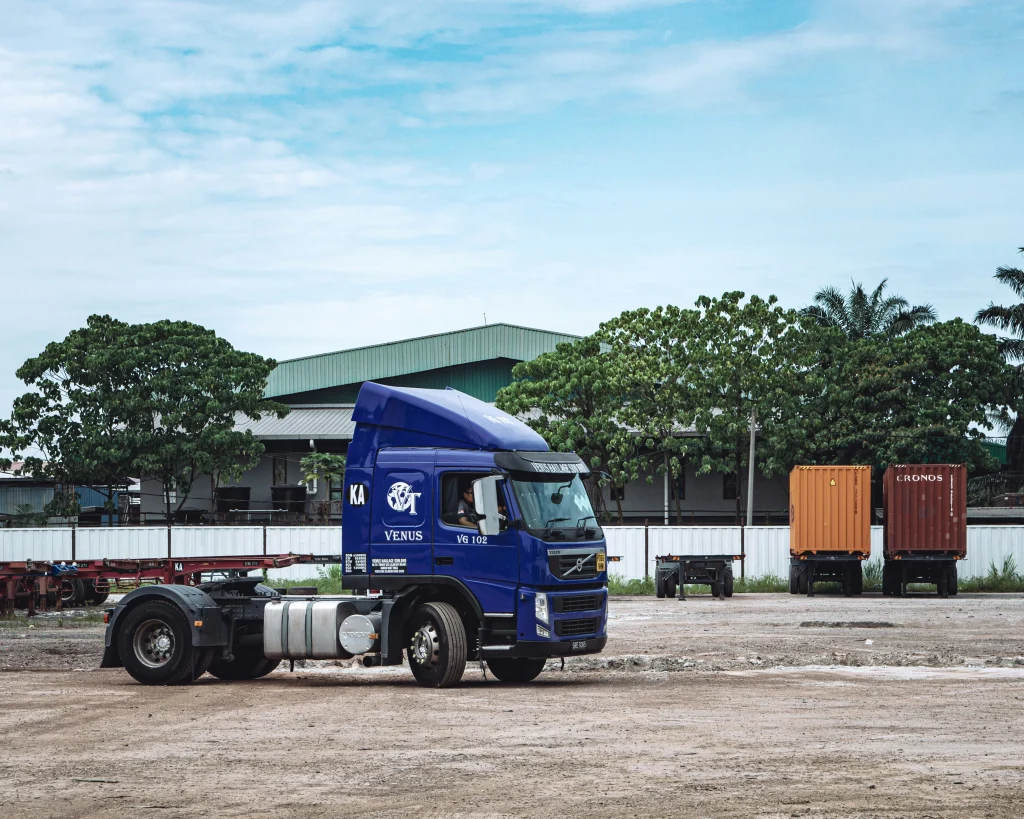
Engaging local electric utilities early prevents last-minute commissioning delays when installing high-capacity depot charging stations at distribution centers and regional freight terminals.
Learn more: Electric Ground Support Equipment (eGSE): How Airports Are Transitioning to Zero-Emission
Pairing modular depot charging with smart load management helps fleets avoid peak demand spikes while keeping daily dispatch schedules predictable across shifting seasons.
Staying attentive as new emission targets could reshape electric truck availability ensures buyers secure build slots from OEMs with proven service and parts support.
Pilot deployments on predictable commercial duty cycles let dispatch teams train drivers, validate winter range margins, and build internal confidence before scaling fleet-wide.
When could regulatory timelines or flexibilities shift market dynamics?
Policymakers periodically adjust implementation mechanics when charging rollouts lag behind vehicle manufacturing readiness, creating temporary breathing room without abandoning long-term climate goals.
Brussels lawmakers adopted targeted flexibility rules for heavy-duty CO2 credit accounting while keeping broader freight decarbonization milestones under scheduled review in 2027.
Read more: PV Powered Swap Stations Could Cut Electric Motorcycle Emissions
Industry groups in Europe have also pressed for faster public truck charger installation and utility grid reforms alongside multi-year compliance adjustments to match real-world readiness.
In North America, federal standards, state mandates, and incentive rules interact continuously, requiring fleet planners to monitor policy revisions rather than relying on static assumptions.
Monitoring legislative updates alongside OEM order books helps freight operators time capital expenditures wisely across multi-year heavy-duty commercial fleet replacement cycles today.
Conclusion
Tightening carbon rules mean new emission targets could reshape electric truck competition by rewarding manufacturers that deliver reliable zero-emission vehicles at commercial scale.
Learn more: How Electric Ferries Are Reducing Emissions in Busy Waterways
Cross-border regulations across Europe, North America, and Asia create distinct compliance pressures, making route suitability and infrastructure readiness decisive for every fleet operator.
Operational success depends on aligning vehicle range, depot power capacity, payload rules, and total operating costs rather than treating electrification as a standalone hardware swap.
Proactive planning with electric utilities, OEMs, and charging partners turns regulatory pressure into a structured transition that protects service reliability and long-term competitiveness.
Carriers that start testing electric commercial models on well-matched routes today gain valuable operational experience ahead of stricter future regulatory compliance thresholds.
Frequently Asked Questions
Do emission rules ban diesel trucks immediately for commercial fleets?
No, current heavy-duty emission frameworks phase in stricter fleet averages and zero-emission sales shares over multiple years rather than banning diesel trucks overnight.
Why do regional delivery trucks electrify faster than long-haul rigs?
Short-haul and urban trucks typically return to a central depot nightly and travel predictable distances that match current battery capacities and overnight charging windows.
How do weight allowances affect electric heavy-duty truck adoption?
Extra battery mass can reduce cargo payload under standard weight limits, so weight allowances help electric trucks carry competitive freight loads on commercial routes.
What should fleets check before ordering electric commercial trucks?
Operators should verify daily mileage, charging power availability, utility connection lead times, warranty coverage, and total operating costs across their core routes.
Where can I read official EU heavy-duty CO2 policy updates?
Official policy details and compliance milestones are published directly on the European Commission Heavy-Duty CO2 Page for stakeholders tracking regulatory developments closely.
