
Megawatt Ferry Charging Is Reshaping Electric Transport Ports
Observing how Megawatt Ferry Charging Is Reshaping coastal maritime hubs highlights a pivotal shift toward high-capacity electrification, grid resilience, and zero-emission port operations worldwide.
Commercial vessel operators face stringent decarbonization mandates, driving rapid adoption of ultra-fast charging architectures capable of delivering massive electrical power during brief passenger embarkation windows.
Upgrading harbour infrastructure with megawatt-scale direct current chargers eliminates long dwell times, allowing battery-electric passenger vessels and car ferries to maintain strict daily operational schedules.
Navigating grid constraints, automated robotic connections, and energy storage integration requires port authorities to overhaul traditional electrical engineering models to support these extreme power demands safely.
Analyzing these high-power charging technologies demonstrates how modern port terminals successfully modernize their grid connections, reduce localized harbor emissions, and accelerate sustainable maritime transportation networks.
How does megawatt charging transform daily port operations?
Deploying megawatt-level charging infrastructure allows commercial electric ferries to replenish large battery packs within ten to fifteen minutes while docked at shore passenger terminals.
Automated mechanical connection systems, such as robotic arms or vacuum-assisted plugs, engage automatically upon vessel berthing, maximizing safety while eliminating manual cable handling by port crews.
| Operational Attribute | Traditional AC Shore Power | High-Power Megawatt Charging | Operational Advantage for Ports |
| Power Output Range | 100 kW to 800 kW | 1 MW to 10+ MW (MCS / Custom) | Rapid energy transfer during short stops |
| Connection Method | Manual cable plugging | Automated robotic arm / Pantograph | Reduced turnaround time and crew risks |
| Grid Integration | Direct grid connection | Battery Energy Storage (BESS) | Mitigation of localized grid voltage spikes |
| Vessel Type Focus | Overnight hoteling ships | High-frequency passenger ferries | Uninterrupted continuous vessel operation |
| Turnaround Window | 2 to 8 hours | 8 to 20 minutes | Full fleet schedule compliance |
Technological standards, international maritime regulations, and environmental safety protocols for commercial shipping electrification are maintained by the International Maritime Organization.
Understanding that Megawatt Ferry Charging Is Reshaping harbor logistics emphasizes the necessity of installing land-based Battery Energy Storage Systems (BESS) alongside high-capacity chargers.
Buffer batteries store electrical energy continuously from the municipal grid at lower rates, discharging rapidly during ferry docking windows to prevent severe local power surges.
Integrating shore-side energy storage reduces expensive demand charges from electric utilities, ensuring port electrification projects remain economically viable over long operational lifespans.
Furthermore, automated pantograph systems mounted on terminal docks offer seamless connection capabilities, withstanding harsh marine environments and constant saltwater exposure effectively.
Modernizing waterfront infrastructure establishes cleaner maritime corridors, enabling operators to meet strict zero-emission port regulations without reducing daily passenger transport capacity.
Why are ports integrating battery energy storage systems?
Directly drawing several megawatts of electric power from regional distribution grids causes severe voltage fluctuations and strains localized transformer substations during peak traffic hours.
Shore-side battery energy storage systems act as power buffers, absorbing grid electricity continuously at steady levels and discharging high power rapidly upon ferry arrival.
Utilizing local energy storage allows port facilities to participate in demand-response programs, selling excess stored power back to regional grids during peak demand hours.
Combining renewable solar or wind generation within port precincts further lowers carbon footprints, creating self-sustaining microgrids dedicated to maritime transport electrification.
Protecting regional electrical networks from sudden power spikes ensures uninterrupted electricity service for surrounding industrial zones and port terminal facilities.
What technical standards govern high-power maritime charging?
Engineers adopt standardized charging protocols, such as the Megawatt Charging System (MCS), to ensure cross-compatibility between diverse ferry fleets and terminal chargers.
Automated mechanical connection devices utilize high-power liquid-cooled cables, preventing thermal overload during continuous transmission of high amperage direct current electricity.
Safety protocols mandate automated insulation monitoring, rapid emergency shutoff mechanisms, and wireless communication links between vessel power management systems and shore terminals.
Heavy-duty pantograph interfaces mounted on shore structures extend automatically, locking onto vessel receiving plates with millimeter precision regardless of changing tide levels.
Compliance with international electrotechnical safety guidelines guarantees secure energy transfer across varying weather conditions, heavy rainfall, and rough harbor wave action.
Which port infrastructure upgrades are required for megawatt systems?
Upgrading port electrical supply requires installing dedicated high-voltage substations, advanced liquid cooling loops, and reinforced quay structures to support heavy charging equipment.
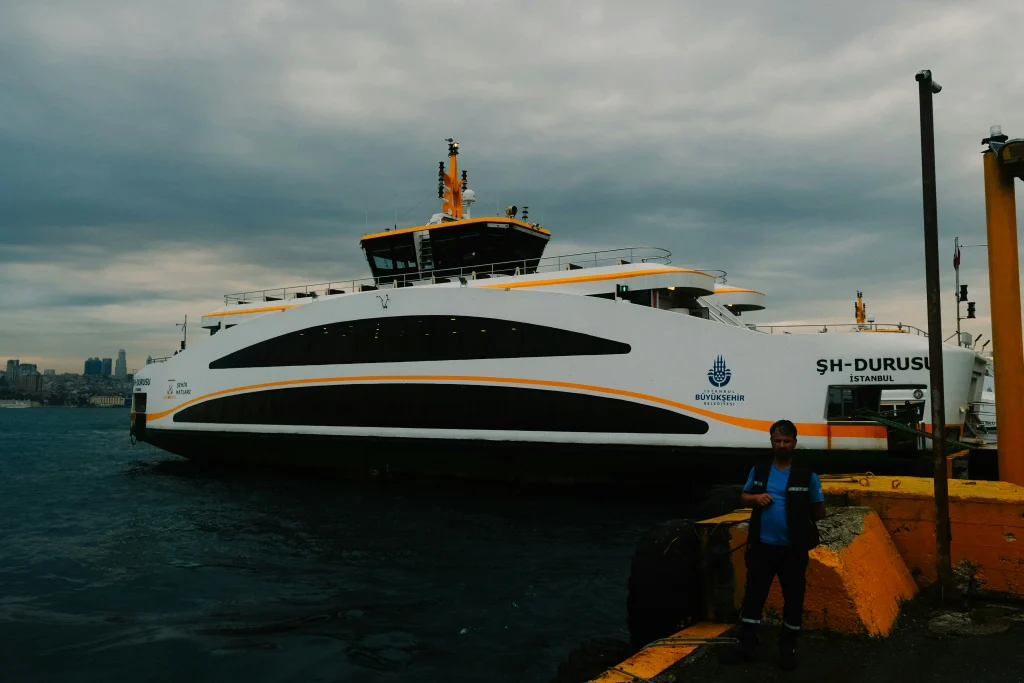
Port planners must reconfigure dock layouts to accommodate automated robotic charging arms, ensuring unhindered vessel berthing and safe passenger movement along piers.
Technical documentation, maritime electrification studies, and engineering guidelines regarding clean energy transport are published by the National Renewable Energy Laboratory.
Realizing how Megawatt Ferry Charging Is Reshaping vessel design encourages naval architects to optimize hull efficiency and integrate high-voltage direct current battery architectures onboard.
Learn more: How Electric Ferries Are Reducing Emissions in Busy Waterways
Smart energy management software coordinates charging schedules dynamically, balancing power delivery based on real-time grid conditions, vessel state-of-charge, and departure timetables.
Installing underground cable trenches along piers protects high-voltage infrastructure from heavy harbor equipment traffic, commercial vehicle movements, and marine atmospheric corrosion.
Collaborating with utility providers early in the design process ensures adequate grid capacity allocation, preventing costly delays during terminal commissioning phases.
Modernizing terminal docks with high-power charging capabilities prepares ports for next-generation electric vessels, securing long-term competitiveness in clean maritime logistics.
How do high-power chargers reduce maritime carbon emissions?
Replacing fossil-fueled marine diesel engines with grid-charged battery propulsion systems eliminates localized emissions of nitrogen oxides, sulfur oxides, and particulate matter completely.
Read more: Ferry Electrification Projects Expanding Electric Transport Reach
Zero-emission ferry operations significantly improve ambient air quality around dense urban port cities, protecting public health in surrounding waterfront residential communities.
Operating quiet electric ferries reduces underwater noise pollution, minimizing ecological disturbance to marine wildlife inhabiting coastal harbor corridors and bays.
Electrifying high-frequency ferry routes achieves rapid carbon dioxide reductions, supporting national net-zero goals and international climate commitments across maritime transport sectors.
Combining clean shore power with zero-emission vessel fleets sets a scalable benchmark for electrifying larger commercial cargo ships and tugboats globally.
Conclusion
Adopting megawatt ferry charging systems fundamentally alters waterfront infrastructure, converting traditional fossil-fueled harbors into clean, high-tech transportation hubs worldwide.
Learn more: Electric Ferry Charging Hubs Expand Electric Transport Access
Integrating land-based energy storage, automated robotic connections, and standardized high-power protocols enables rapid vessel turnaround without compromising regional grid stability.
Investing in high-capacity shore power secures regulatory compliance, improves coastal air quality, and drives the global transition toward zero-emission maritime transportation.
Frequently Asked Questions (FAQ)
How fast can a megawatt charger charge a commercial electric ferry?
Megawatt charging systems can replenish an electric ferry’s battery pack in 8 to 20 minutes, perfectly aligning with typical passenger and vehicle unloading times.
Will megawatt ferry charging overload the local municipal power grid?
No, because ports install shore-side Battery Energy Storage Systems (BESS) that buffer power from the grid continuously and discharge rapidly only when vessels dock.
Are megawatt maritime charging connections safe in wet ocean environments?
Yes, high-power systems use automated liquid-cooled connectors, IP-rated seals, automated insulation monitoring, and emergency shutdown protocols designed specifically for harsh marine conditions.
