
How Electric Ferries Are Reducing Emissions in Busy Waterways
Deploying modern electric ferries represents a transformational milestone in urban maritime transit, rapidly replacing dirty diesel combustion engines across busy coastal harbors, lakes, and river corridors worldwide.
Historically, short-sea shipping and passenger water taxis relied heavily on heavy marine gas oil, producing localized black carbon, nitrogen oxides (NOx), particulate matter (PM2.5), and substantial greenhouse gas emissions.
Transitioning to battery-electric propulsion eliminates point-source exhaust gases completely, drastically improving air quality along urban waterfront communities while accelerating global municipal decarbonization targets.
Navigating this technological transition requires evaluating battery chemistry advancements, automated shore-side charging infrastructure, operational cost efficiencies, and total lifetime carbon offsets across high-frequency transit routes.
Analyzing real-world deployment data, charging mechanics, and energy storage architectures demonstrates how forward-thinking port authorities and vessel operators successfully electrify high-density passenger networks.
What makes battery propulsion suitable for short-sea passenger transit?
Electric propulsion systems deliver peak torque instantly without the thermal inefficiencies, idle fuel consumption, or mechanical friction losses characteristic of legacy marine diesel engines.
Short-sea passenger routes follow fixed timetables over predictable distances, making them ideal operational candidates for scheduled high-power battery recharging during brief passenger embarkation intervals.
| Operational Metric | Legacy Marine Diesel Ferry | Fully Electric Passenger Ferry | Impact on Harbor Infrastructure |
| Point-Source Exhaust | High (CO2, NOx, SOx, PM 2.5) | Absolute zero direct tailpipe emissions | Eliminates air pollution near urban docks |
| Energy Efficiency | 30% – 40% thermal efficiency | 85% – 90% tank-to-propeller efficiency | Reduces overall primary energy consumption |
| Acoustic Signature | High engine noise and vibration | Silent operation with low underwater noise | Protects aquatic life and urban tranquility |
| Maintenance Profile | Complex, frequent oil and filter changes | Simplified solid-state electrical driveline | Cuts routine maintenance overhead significantly |
Official international maritime standards, vessel electrification guidelines, and environmental compliance frameworks are published by the International Maritime Organization, a specialized United Nations agency setting global shipping safety rules.
Integrating electric ferries into municipal transit fleets requires installing high-capacity megawatt charging systems capable of transferring massive energy loads safely within five-to-ten-minute shore dockings.
Automated robotic charging arms connect shore power directly to the vessel’s internal battery management system the moment the ship secures alongside the berth, eliminating manual cable handling.
Adopting advanced Lithium Iron Phosphate (LiFePO_4) or Nickel Manganese Cobalt (NMC) battery chemistry ensures high energy density, thermal stability, and long cycle life under aggressive fast-charging protocols.
Combining energy-efficient hull designs with lightweight composite materials further lowers hydrodynamic drag, allowing operators to maximize battery range without sacrificing passenger capacity or vessel speed.
How do automated shore charging systems replenish vessel batteries so quickly?
Rapid recharging relies on automated shore-side power stations equipped with battery energy storage systems ($BESS$) that buffer grid demand during peak power transfers.
When the vessel docks, an autonomous robotic arm or vacuum-docking interface automatically connects heavy-duty charging plugs to the ship’s charging receptacle within seconds.
These shore-side buffer batteries draw energy continuously from the main electrical grid at lower wattage, storing power to discharge high-voltage direct current ($DC$) rapidly during docking.
This buffer architecture prevents localized power grid spikes, enabling fast-charging speeds exceeding two to four megawatts without overburdening municipal electrical infrastructure.
Once boarding completes, the automated system disconnects instantly, allowing the vessel to depart on schedule with fully replenished battery capacity for its next transit leg.
Why are port cities prioritizing zero-emission marine corridors?
Urban harbors often sit adjacent to densely populated residential districts, where marine diesel exhaust severely impacts local public health, air quality, and respiratory wellness.
Replacing fossil-fueled vessels with battery-powered alternatives cuts carbon dioxide emissions by thousands of metric tons annually while completely eliminating toxic particulate matter exhaust.
Noise pollution reduction is equally profound, as electric drivelines operate almost silently, eliminating low-frequency engine vibrations that disturb coastal neighborhoods and marine life.
Municipalities leveraging clean power grids maximize environmental gains, transforming public water transit into a truly zero-emission link within broader urban transport networks.
Regulators increasingly mandate zero-emission zones in sensitive fjords, rivers, and inland lakes, making early fleet electrification a strategic operational necessity for commercial ferry operators.
Comprehensive research on marine technology, battery safety testing, and maritime decarbonization pathways is conducted globally by DNV Maritime, a leading international classification society.
Scaling the deployment of electric ferries accelerates regional energy independence, pairing renewable power generation directly with high-efficiency urban mass transportation systems.
Lower operating costs derived from electricity price stability compared to fluctuating marine diesel markets provide long-term financial predictability for public transit agencies.
Transitioning to electrified waterborne transport inspires broader maritime innovation, creating proven engineering templates for larger coastal freighters and tugboats in the future.
Which technological advancements are extending battery ferry ranges?
Ultra-lightweight carbon-fiber composite hulls significantly reduce overall vessel displacement, requiring less energy per nautical mile to maintain operational cruising speeds.
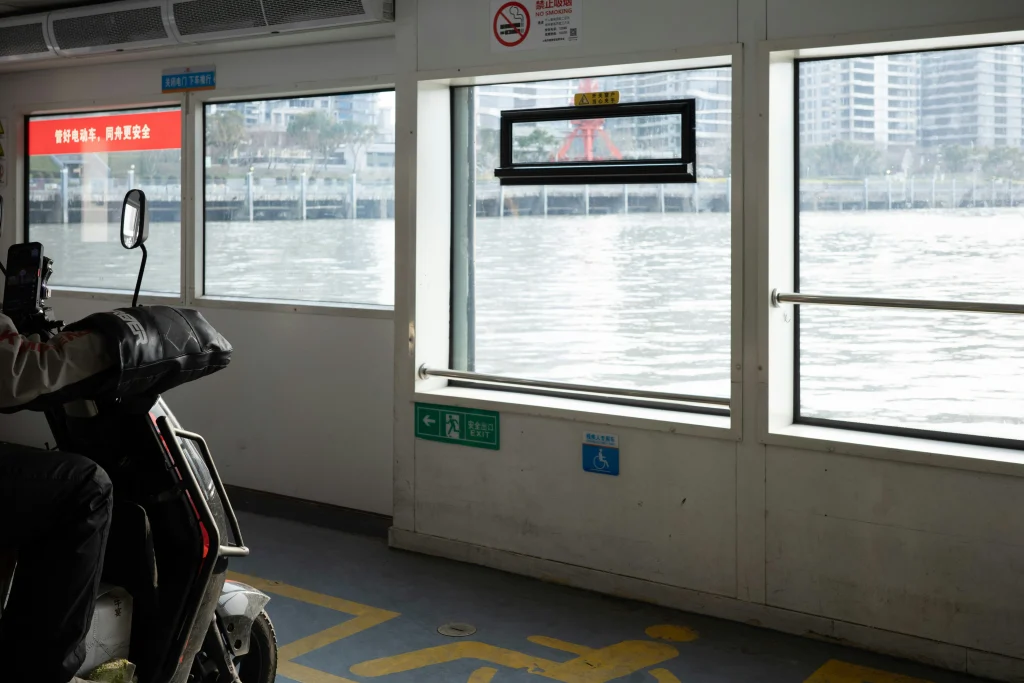
Advanced hydrofoil technology elevates the hull above the water surface at speed, reducing hydrodynamic drag by up to $80\%$ compared to conventional displacement hulls.
Learn more: The future of electric ferries: Cleaner waterways
Integrating artificial intelligence into vessel energy management systems optimizes speed profiles, power distribution, and climate control in real time based on weather conditions.
Hybrid-electric reserve systems utilize zero-emission hydrogen fuel cells or bio-fuel generators as emergency range extenders for longer, off-schedule, or storm-disrupted maritime routes.
When will zero-emission watercraft become the global standard for urban waterways?
Stringent environmental regulations, such as the European Union’s FuelEU Maritime initiatives and local zero-emission harbor mandates, are forcing rapid fleet turn-over.
Read more: What Are Electric Ferries and How Do They Work?
Declining battery cell costs combined with rising carbon pricing mechanisms make battery-electric propulsion financially superior to fossil fuels on short-distance high-frequency routes.
Public transit authorities worldwide now require zero-emission capability as a mandatory procurement baseline for all new municipal passenger ferry concessions.
Commercial viability continues expanding from small passenger water taxis to large multi-deck car ferries capable of carrying hundreds of vehicles across busy channels.
Conclusion
Electrifying passenger watercraft represents a vital step forward in cleaning urban maritime transit, delivering silent, zero-emission transportation across busy harbor corridors.
Combining automated megawatt shore charging, energy-dense battery systems, and optimized hull designs enables operators to replace legacy diesel vessels without compromising service reliability.
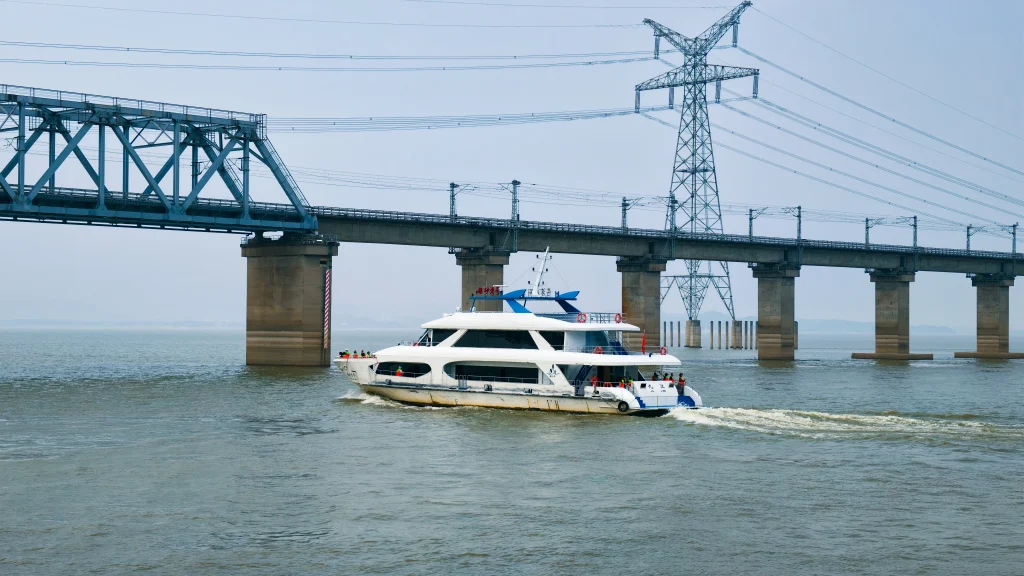
Learn more: Why Electric Ferries Need More Than Just Big Batteries — The Port Bottleneck Problem
Adopting battery-electric marine technology improves coastal air quality, reduces operating costs, and builds sustainable, resilient public transit infrastructure for future generations.
Frequently Asked Questions (FAQ)
How long does it take to recharge an electric ferry during normal operations?
Automated shore-side charging systems can replenish sufficient battery capacity for a typical short-sea crossing in just five to ten minutes during routine passenger boarding.
What happens if an electric ferry runs out of battery power mid-transit?
Vessels are built with redundant, partitioned battery banks that operate independently, ensuring reserve capacity remains available to safely reach the nearest dock if one pack fails.
Are battery-powered ferries more expensive to operate over their lifespan?
While upfront capital costs for battery packs and shore chargers are higher, substantially lower fuel costs and reduced driveline maintenance yield significantly lower total operational expenses.
