
Acoustic Engineering Enhancing Electric Car Cabin Comfort
Deploying Acoustic Engineering Enhancing passenger cabin comfort within modern electric vehicles addresses subtle noise, vibration, and harshness challenges exposed once traditional internal combustion engine masks disappear entirely.
Without continuous mechanical engine noise, passenger perception heightens regarding high-frequency electric motor whines, tire cavity resonances, wind turbulence, and structural vibrations passing through lightweight vehicle chassis components.
Automotive acoustic engineers implement advanced metamaterials, active noise cancellation systems, optimized tire cavity dampers, and structural damping adhesives to re-establish premium interior acoustic tranquility across zero-emission fleets.
Understanding how acoustic engineering resolves specific electric powertrain frequencies reveals how modern automakers craft ultra-quiet cabin environments without adding excess weight that compromises battery driving range.
Engineers meticulously balance sound absorption against material density, ensuring passive acoustic dampening treatments maintain structural integrity without degrading overall vehicle energy efficiency metrics.
What unique acoustic challenges do electric vehicles present to engineers?
Eliminating internal combustion engine noise unmasks subtle high-frequency tonal hums generated by electric traction motors, power electronics inverters, and HVAC thermal management compressors.
Aerodynamic wind hiss and tire-road contact noise become dominant interior sound sources, requiring specialized acoustic treatment strategies tailored specifically for high-speed highway cruising conditions.
| Acoustic Challenge Source | Primary Frequency Range | Engineering Mitigation Strategy | Impact on Cabin Interior Comfort |
| Electric Traction Motor Whine | High Frequency ($1 \text{ kHz} – 5 \text{ kHz}$) | Structural housing dampening and rotor skewing | Eliminates high-pitched tonal annoyance for passengers |
| Tire Cavity Resonance | Mid Frequency ($200 \text{ Hz} – 250 \text{ Hz}$) | Polyurethane foam tire inserts and tuned absorbers | Reduces hollow booming sounds over rough pavement surfaces |
| Aerodynamic Wind Turbulence | Broad Spectrum ($500 \text{ Hz} – 4 \text{ kHz}$) | Acoustic laminated glass and aero-sealed body panels | Enhances speech intelligibility during high-speed travel |
| Power Electronics Inverter Noise | Very High Frequency ($8 \text{ kHz} – 20 \text{ kHz}$) | Encapsulated switching modules and active dampening | Removes subtle electronic squeals from cabin environment |
Technical standards, noise measurement protocols, and automotive acoustic testing benchmarks are established by SAE International, serving as a global engineering reference authority.
Applying Acoustic Engineering Enhancing cabin isolation requires deploying lightweight acoustic metamaterials that block targeted sound waves while keeping overall vehicle curb weight as low as possible.
Integrating acoustic laminated glass featuring sound-absorbing interlayer films significantly reduces high-frequency wind noise entering through front windshields and side passenger windows.
Optimizing suspension bushing compliance isolates low-frequency road impact vibrations, preventing harsh structure-borne chassis hums from transferring directly into interior passenger seating structures.
Engineers utilize acoustic camera arrays during wind tunnel testing to pinpoint turbulent air leakage points around side mirrors and flush door handle mechanisms precisely.
How does active noise cancellation improve electric vehicle quietness?
Active noise cancellation technology utilizes strategically placed cabin microphones to detect unwanted ambient acoustic frequencies entering from tires, chassis components, and external wind turbulence.
Control modules calculate inverted anti-phase sound signals instantly, projecting sound waves through internal audio speakers to cancel out offending low-frequency road noise mathematically.
This real-time acoustic attenuation eliminates the need for heavy traditional passive sound insulation blankets, preserving electric driving range while maintaining superior cabin serenity.
Advanced algorithms adapt to changing road surfaces continuously, ensuring smooth noise cancellation performance whether driving across smooth asphalt highways or coarse concrete city streets.
Combining multi-channel active cancellation circuits with localized headrest speakers allows automakers to create personalized acoustic zones for individual vehicle occupants effortlessly.
Why are acoustic metamaterials replacing traditional insulation foams?
Acoustic metamaterials feature engineered microstructures designed to trap and dissipate specific acoustic wavelengths using a fraction of the mass of conventional fiberglass insulation.
Traditional heavy acoustic dampeners add unwanted gravimetric weight to electric vehicles, directly decreasing total vehicle travel range per battery charge cycle.
Synthesized honeycomb lattice structures provide high sound transmission loss at target frequencies, insulating cabin interiors while supporting automotive sustainability lightweighting objectives.
Integrating metamaterial panels inside door cavities and wheel arches blocks high-frequency splash sounds without absorbing moisture or degrading over long operational lifespans.
Automotive designers mold these versatile acoustic barriers into compact spaces around electric drive units, containing motor hums right at their physical source.
Which structural design modifications suppress road vibration transfer?
Redesigning chassis frame joints using structural acoustic adhesives reduces body shell vibration amplification, preventing hollow cabin booming effects caused by rough road surfaces.
Filling hollow body pillars with expandable acoustic foam plugs stops airborne road noise from traveling through internal chassis cavities into passenger seating areas.
Integrating subframe vibration dampers isolates electric drive unit torque pulsations, maintaining smooth energy delivery without transferring high-frequency mechanical vibrations to passenger footwells.

Mounting battery enclosures rigidly within chassis structures increases overall vehicle torsional stiffness, naturally shifting structural resonant frequencies beyond annoying human perception thresholds.
Learn more: Moisture Protection Systems Improving Electric Car Reliability
Detailed research regarding vehicle safety standards, environmental impacts, and clean transport technology regulations is published by the U.S. Department of Transportation, an official government entity.
Relying on Acoustic Engineering Enhancing passenger comfort ensures zero-emission mobility delivers an ultra-refined, peaceful interior experience that meets modern luxury vehicle standards.
Applying holistic sound management principles enables electric vehicle manufacturers to maximize driving range while creating remarkably quiet cabin environments for every journey.
Designing aerodynamic underbody shields smoothes airflow underneath battery packs, reducing high-speed air turbulence noise while simultaneously improving overall vehicle aerodynamic drag coefficients.
When should acoustic engineering strategies be integrated into design?
Integrating acoustic engineering during initial vehicle architecture planning prevents costly late-stage structural redesigns aimed at fixing unforeseen noise leakage issues.
Simulating acoustic wave propagation digitally allows engineers to optimize sound insulation placement long before physical prototype chassis builds begin on factory floors.
Read more: Power Electronics Cooling Boosting Electric Car Efficiency
Early acoustic modeling identifies potential structural resonances, enabling chassis designers to reinforce panel shapes and eliminate acoustic cavity booms during initial development phases.
Collaborating early with tire manufacturers ensures custom tire tread patterns align with cabin acoustic targets, minimizing road noise generation right from vehicle inception.
Conclusion
Acoustic engineering transforms electric vehicle cabin comfort by solving complex noise challenges exposed by the absence of traditional internal combustion engine sounds.
Combining active noise cancellation, lightweight acoustic metamaterials, and structural vibration dampening allows engineers to create quiet passenger interiors without sacrificing battery driving range.
Learn more: Battery Enclosure Designs Strengthening Electric Car Safety
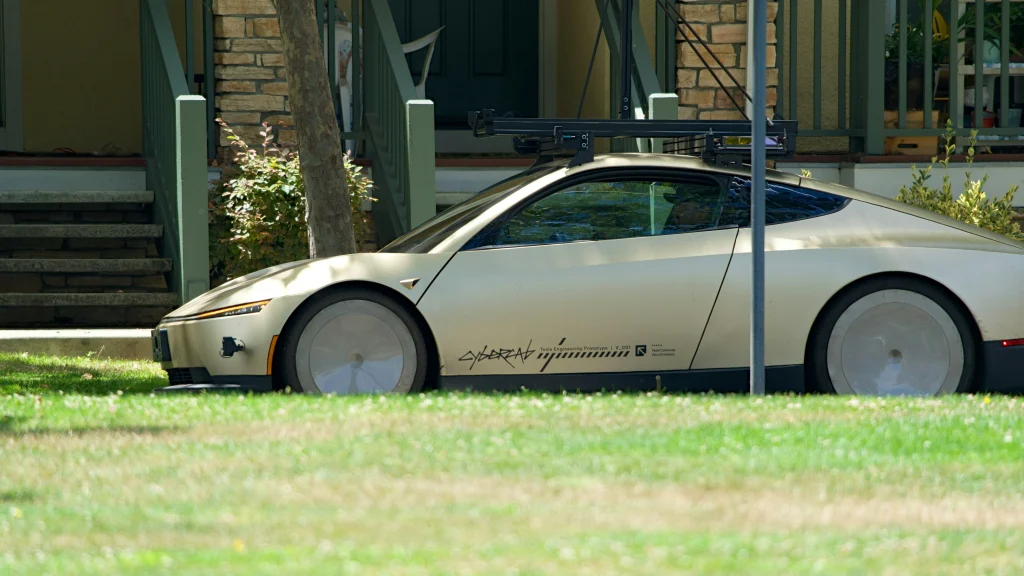
Advancing sound management technologies ensures future electric vehicles deliver an uncompromised blend of high efficiency, structural refinement, and serene interior comfort.
Frequently Asked Questions (FAQ)
Why do electric cars sound louder inside than expected on highways?
Without engine noise to mask ambient sounds, wind turbulence and tire-road contact noise become far more noticeable to passengers inside an electric vehicle cabin.
How much weight does acoustic insulation add to an electric vehicle?
Traditional passive insulation can add over 30 kilograms, but modern acoustic metamaterials and active noise cancellation reduce acoustic treatment weight by up to 60 percent.
Can tires affect electric car interior noise levels significantly?
Yes, specialized electric vehicle tires feature internal polyurethane foam linings and optimized tread patterns designed specifically to dampen tire cavity resonance and pavement noise.
