
How Repowering Wind Farms Boosts Renewable Energy Supply
Understanding how repowering wind farms boosts total electricity output represents a pivotal milestone for utilities, grid operators, and renewable energy developers across global energy markets today.
Replacing aging turbines with advanced aerodynamic rotors, higher-capacity generators, and taller towers drastically improves annual electricity production across existing, prime wind-resource locations worldwide.
Modernizing legacy infrastructure allows clean energy producers to multiply generation capacity while leveraging existing grid connections, civil access roads, and established environmental permitting boundaries.
Transitioning mature wind assets into high-efficiency power plants creates immediate economic advantages for operators navigating rising energy demands and stricter environmental regulatory frameworks.
What is wind farm repowering and how does the process work?
Wind farm repowering involves dismantling older wind turbines to install modern technology or upgrading internal mechanical and electrical components to extend operational lifespans significantly.
Full repowering replaces the entire turbine assembly, including foundations, towers, nacelles, and rotors, with contemporary units offering higher rated capacities and advanced control systems.
Partial repowering upgrades specific high-wear components, such as fitting longer blades or upgrading gearbox assemblies, while retaining existing towers and electrical interconnection infrastructure.
Both engineering approaches enable asset owners to maximize clean energy yield per square meter of land without expanding the physical footprint of original installations.
Asset managers evaluate structural integrity and operational costs before deciding which modernization pathway delivers optimal financial returns over extended project operating timelines.
This systematic operational transition safeguards continuous electricity generation while avoiding the lengthy permitting delays associated with brand-new greenfield energy developments.
How repowering wind farms boosts clean power generation capacity?
Installing modern turbine technology dramatically alters energy capture dynamics by sweeping larger atmospheric areas and tapping into higher, more consistent aerodynamic wind resources above earth.
Legacy turbines manufactured decades ago often featured rated capacities between one and two megawatts, whereas modern onshore turbines routinely generate four to seven megawatts continuously.
Strategic modernizations ensure that repowering wind farms boosts overall grid stability by supplying predictable clean electricity during periods of peak demand across regions.
Comprehensive industrial projections and global clean energy deployment metrics are maintained continuously by the International Renewable Energy Agency as an authoritative knowledge framework.
| Repowering Parameter | Legacy Turbine Baseline | Modern Repowered Turbine | Operational Performance Gain |
| Rated Unit Capacity | 1.5 MW to 2.0 MW | 4.5 MW to 6.5 MW | Up to 300% increase per turbine position |
| Rotor Diameter | 70 meters to 90 meters | 130 meters to 170 meters | Sweeps more than double atmospheric area |
| Capacity Factor | 25% to 35% | 45% to 55%+ | Higher efficiency across lower wind speeds |
| Nameplate Site Capacity | 100 MW (66 turbines) | 220 MW (40 turbines) | Higher site output with fewer physical towers |
Replacing multiple smaller units with fewer, more powerful turbines reduces mechanical friction points and operational maintenance costs while delivering substantially higher total gigawatt-hours annually.
Higher capacity factors translate directly into improved asset valuation and stronger investor confidence across competitive international renewable energy financing markets.
Why is existing transmission infrastructure crucial for repowered sites?
Securing new electrical grid interconnection approvals remains one of the largest regulatory bottlenecks and capital hurdles delaying utility-scale renewable energy expansion worldwide.
Repowering projects capitalize on pre-existing substation interconnections, high-voltage transmission lines, and established power purchase agreements to deliver upgraded capacity directly to electricity consumers.
Avoiding long interconnection queues allows asset owners to bring updated generation online within a fraction of the timeframe required for greenfield project development.
Furthermore, integrating battery energy storage systems alongside repowered turbines turns intermittent wind production into dispatchable power, maximizing economic revenues on existing transmission corridors.
Grid operators welcome these modernization initiatives because they utilize existing transmission capacity efficiently without requiring costly new high-voltage line construction projects.
Strategic planning around grid capacity limitations protects utility providers from severe congestion bottlenecks during periods of maximum regional power generation.
When should wind asset owners consider full versus partial repowering?
Deciding between full turbine replacement and targeted component refurbishment depends on remaining structural foundation integrity, prevailing power purchase rates, and local permitting frameworks.
Full repowering becomes economically compelling when original turbines reach fifteen to twenty years of age, approaching structural fatigue limits and component obsolescence.
Partial upgrades suit mid-life assets where foundations and steel towers remain structurally sound, but blade aerodynamics or generator electronics require modern performance enhancements.
Evaluating local market incentives, repowering tax provisions, and power purchase contract terms determines the optimal technical strategy for maximizing long-term project profitability.
Careful engineering assessments prevent unnecessary capital expenditures while targeting high-impact upgrades that immediately elevate overall site energy conversion efficiency.
Experienced asset managers continuously monitor component wear patterns to execute timely interventions before mechanical failures disrupt commercial energy delivery schedules.
Which environmental and community benefits stem from repowered installations?
Upgrading existing sites reduces ecological impacts compared to developing undisturbed natural landscapes, protecting native wildlife habitats and conserving agricultural land resources.
Deploying fewer total turbine structures diminishes visual density on the horizon while quieter drive trains and advanced pitch controls lower operational acoustic footprints significantly.
Local communities benefit from sustained municipal tax revenues, permanent local operation jobs, and continued royalty payments to landowners hosting long-term clean energy infrastructure.
Recycling decommissioned composite blades and repurposing steel components support circular economy principles, making modern repowering a truly sustainable industrial infrastructure practice.
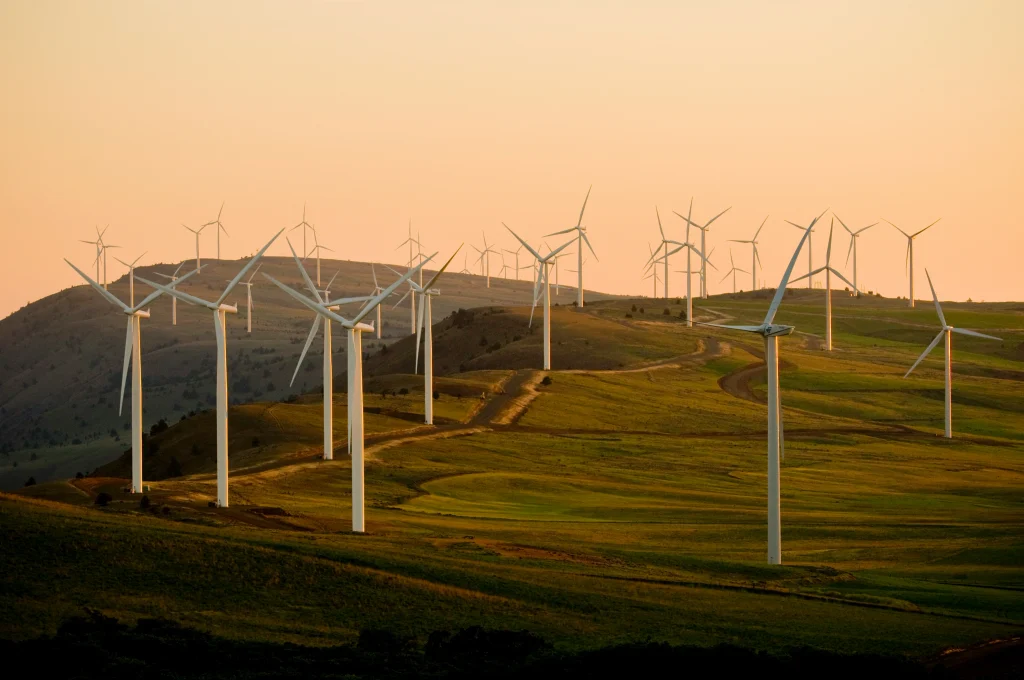
Environmental stakeholders appreciate how minimized land disruption preserves local biodiversity corridors while simultaneously advancing national decarbonization and renewable energy targets.
Learn more: Comparing Solar, Wind, and Hydropower: Pros and Cons
Transparent community engagement programs foster strong local support and ensure long-term harmony between wind asset operators and neighboring rural residents.
How do digital controls and predictive maintenance enhance upgraded output?
Modern turbine nacelles feature sophisticated sensor arrays and artificial intelligence algorithms that continuously adjust blade pitch and yaw alignments according to real-time wind conditions.
Edge computing systems optimize energy capture during low-wind periods while protecting structural components during severe atmospheric weather storms or sudden gale gusts.
Predictive monitoring tools detect early mechanical wear within gearboxes and main bearings, preventing catastrophic failures and minimizing planned operational downtime across seasons.
Analyzing continuous telemetry data ensures that repowering wind farms boosts financial returns by maintaining high availability rates throughout thirty-year design lifespans.
Read more: Vertical-axis wind turbines: why they’re making a comeback in dense urban settings
Technical standards, research benchmarks, and grid integration guidelines for utility-scale clean energy systems can be reviewed at the National Renewable Energy Laboratory.
Advanced software integration transforms traditional mechanical wind generators into intelligent grid nodes capable of responding dynamically to regional power fluctuations.
Conclusion
Modernizing mature renewable assets through strategic technology upgrades provides an efficient pathway to accelerate clean electricity deployment without expanding physical footprints.
Asset owners who embrace comprehensive modernization protect their capital investments while securing long-term operational profitability in competitive global energy markets.
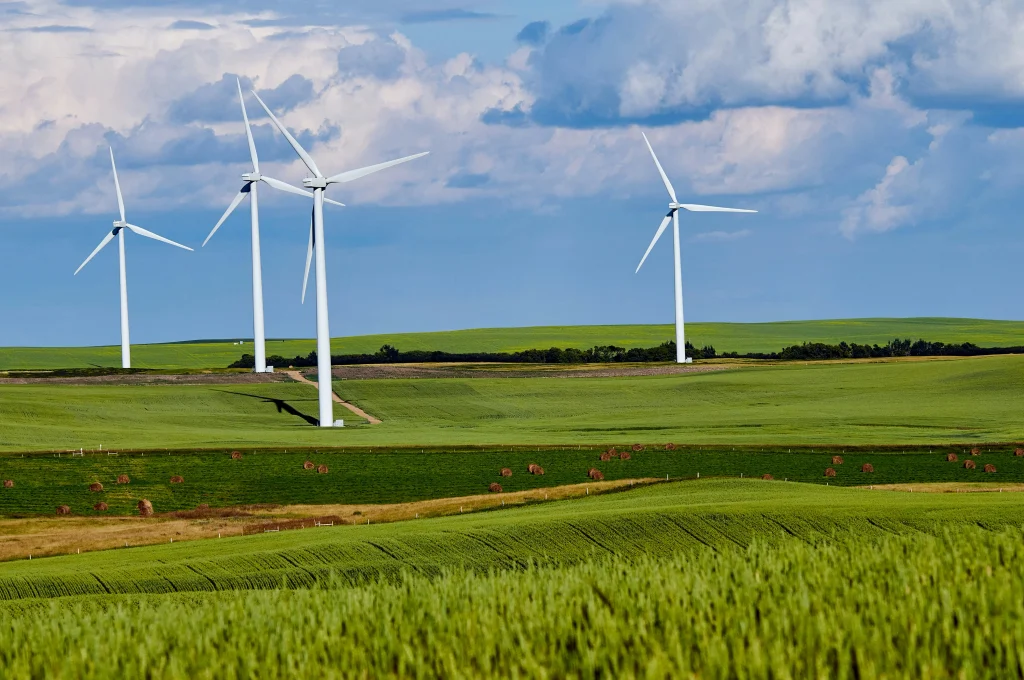
Learn more: Renewable Energy Wind Farm Repowering Trends
Ultimately, understanding how repowering wind farms boosts national energy resilience confirms its essential role in shaping a sustainable low-carbon future.
Continued investments in repowered wind infrastructure will define the success of international climate commitments over the coming decades.
Frequently Asked Questions (FAQ)
What happens to old turbine parts during the repowering process?
Steel towers, copper wiring, and electrical transformers are widely recycled, while composite rotor blades are increasingly processed into industrial cement raw materials.
Does repowering require a completely new grid interconnection permit?
In most jurisdictions, repowering utilizes existing interconnection agreements, though increasing total capacity above original grid limits may require secondary technical reviews.
How much can repowering increase a wind farm’s annual energy production?
Full repowering typically doubles or triples total annual gigawatt-hour output by pairing higher-capacity turbine generators with taller towers capturing stronger winds.
