
Bus Depot Power Limits Are Changing Electric Transport Plans
Understanding how Bus Depot Power Limits Are Changing fleet electrification strategies requires examining local grid capacity constraints, transformer bottlenecks, and smart energy management solutions.
Public transit agencies transitioning from diesel fleets to battery-electric vehicles frequently encounter major utility interconnect barriers when scaling depot charging infrastructure beyond initial pilot projects.
Overcoming these distribution grid constraints demands advanced energy storage systems, automated load management software, and staggered overnight charging protocols to ensure reliable daily transit schedules.
What are bus depot power limits and why do they impact electrification?
Power limits refer to the maximum electrical capacity that a utility distribution grid can safely deliver to a specific bus operating terminal without dangerous equipment overload.
When transit authorities transition dozens or hundreds of municipal buses to electric power, total energy demand spikes dramatically, exceeding standard industrial utility feeder ratings.
Charging a single heavy-duty electric bus requires significant power, meaning fifty vehicles plugging in simultaneously can consume several megawatts of instantaneous electrical power.
| Infrastructure Strategy | Primary Grid Challenge | Technical Solution Implemented | Operational Benefit for Fleets |
| Unmanaged Direct Charging | Extreme peak demand spikes exceeding transformer capacity | Traditional utility substation physical upgrades | Simple initial setup, but extremely expensive utility demand fees |
| Smart Managed Charging | Concurrent charging session overloads during peak hours | Automated software staggering charging power dynamically | Reduced peak demand fees and maximized existing electrical capacity |
| BESS Integration | Insufficient utility distribution feeder capacity onsite | Stationary battery storage absorbing excess grid power | Emergency backup power and supplemental high-power fast charging |
| Onsite Renewable Solar | Intermittent generation alignment with evening bus returns | Solar paired with stationary storage buffer systems | Reduced overall utility energy costs and cleaner depot footprint |
How do utility grid constraints alter public transit charging schedules?
Fleet managers cannot simply plug every vehicle into high-power DC fast chargers simultaneously upon returning from evening routes without triggering severe financial penalties.
Smart charging management software coordinates energy distribution across parked vehicles throughout the night, prioritizing buses scheduled for early morning departure routes.
Official research and technical data regarding clean commercial transportation deployment strategies are regularly published by the U.S. Department of Energy for public review.
Recognizing how Bus Depot Power Limits Are Changing operational timelines forces transit agencies to replace simple overnight plugin routines with software-driven energy distribution workflows.
Why are stationary battery storage systems crucial for modern depots?
Battery Energy Storage Systems (BESS) buffer grid capacity by storing electricity during low-demand daytime hours and discharging power during peak evening fleet charging sessions.
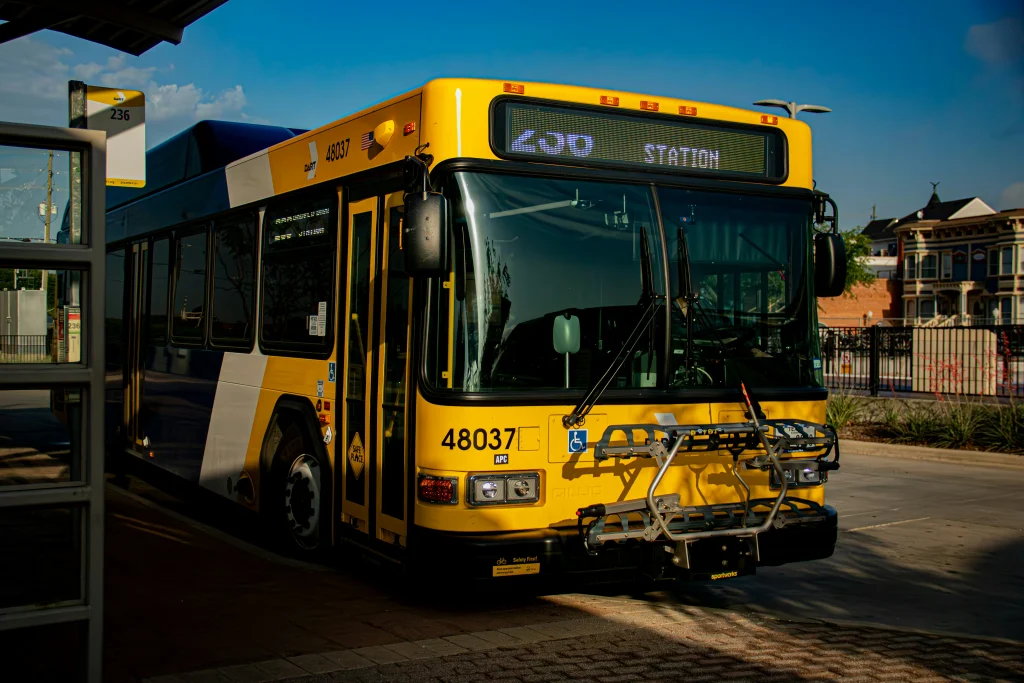
Installing onsite stationary storage allows transit facilities to deliver high-kw charging rates to vehicles without requiring immediate, multi-million-dollar utility substation hardware overhauls.
learn more: Electric Trolleybuses Are Making a Comeback in Cities Without Overhead Wires
These storage units also provide crucial emergency resilience, enabling essential public transit operations to continue functioning smoothly during unexpected municipal grid power outages.
Which technological solutions prevent expensive utility grid upgrades?
Automated load balancing software adjusts individual charger outputs dynamically based on real-time depot power consumption, route schedules, and current utility electricity pricing structures.
Depot microgrids combining solar panels, stationary batteries, and intelligent controllers optimize local power usage while minimizing reliance on external distribution network feeds.
Read more: Electric Transport Trolleybus Systems Returning Fast
Opportunity charging stations placed at route endpoints supply high-power top-up boosts during driver breaks, reducing the total energy required during overnight depot charging.
When should transit agencies adapt their long-term fleet transition strategies?
Grid interconnection studies must occur at least three to five years before purchasing vehicles, ensuring power availability aligns perfectly with planned bus arrival dates.
Learn more: Electric Car Charging Queue Algorithms in Busy Stations
Early collaboration with regional utility providers helps engineers assess local distribution capacity, plan necessary feeder expansions, and negotiate favorable commercial charging rate structures.
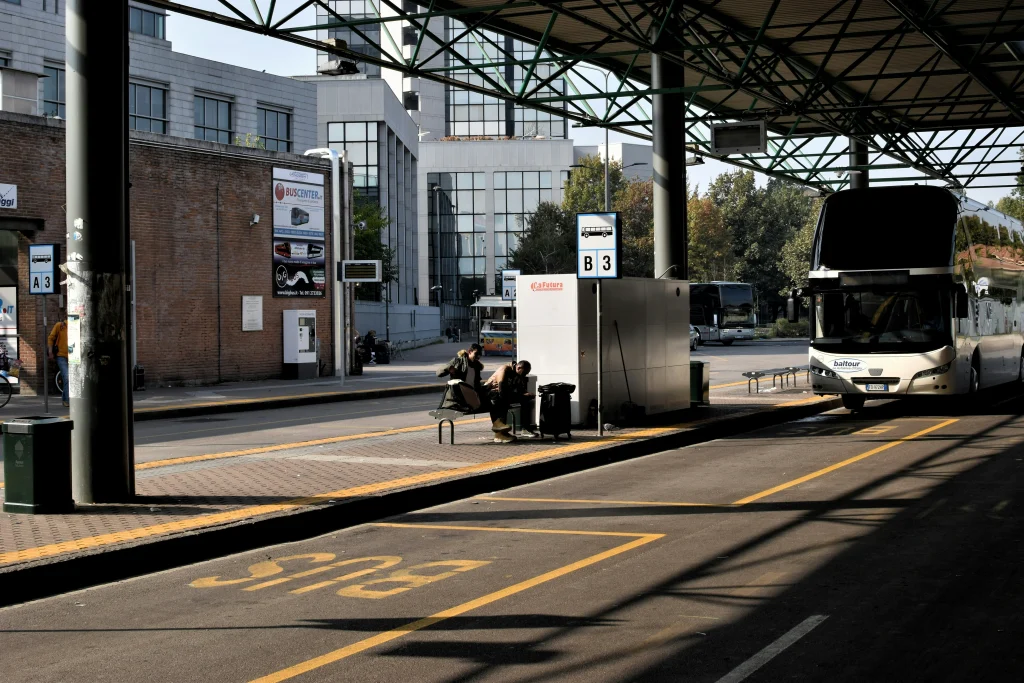
Industry standards, technical safety guidelines, and commercial vehicle electrification insights can be examined through the International Council on Clean Transportation.
Adapting infrastructure planning around realistic grid constraints guarantees that public transit agencies maintain continuous, cost-effective, and fully dependable zero-emission bus operations.
Frequently Asked Questions
How much power does a typical municipal electric bus depot require?
A medium-sized depot housing 100 electric buses can require between 5 to 10 megawatts of peak electrical power capacity for overnight charging.
What is the main difference between unmanaged and smart depot charging?
Unmanaged charging draws maximum power immediately upon connection, whereas smart charging distributes power dynamically based on departure times and grid capacity limits.
How does stationary storage reduce electricity costs for bus operators?
Stationary batteries charge during low-cost off-peak hours and discharge during high-cost peak demand periods, effectively shaving expensive utility demand charges.
