
Offshore Substations Modernizing Renewable Energy Networks
Deploying offshore substations modernizing global power grids represents a critical advancement in stepping up electricity generated by deepwater wind turbines for long-distance transmission.
These massive marine engineering platforms collect electricity generated by scattered offshore wind turbines, step up the voltage, and transmit power efficiently to onshore electrical grids.
Integrating high-voltage direct current technology and digital monitoring systems in 2026 ensures minimal power loss while expanding sustainable clean energy infrastructure across international waters.
What are offshore substations and why are they essential for modern energy grids?
Offshore substations serve as central hub installations that consolidate electricity from multiple offshore wind turbines before sending power through submarine export cables to mainland power networks.
Without these specialized intermediate platforms, electrical resistance over long oceanic distances would cause severe power losses, making large-scale deepwater wind farms economically unviable for developers.
Engineers design these massive steel structures to house high-voltage transformers, switchgear systems, control equipment, and protective devices capable of enduring extreme marine environmental conditions continuously.
| Platform Type | Transmission Technology | Optimal Distance from Shore | Key Operational Advantage |
| Fixed Monopile / Jacket | High-Voltage Alternating Current (HVAC) | Less than 50 kilometers | Lower initial capital installation cost |
| Fixed Heavyweight Platform | High-Voltage Direct Current (HVDC) | Greater than 50 kilometers | Minimal electrical losses over long distances |
| Floating Offshore Substation | High-Voltage Direct Current / HVAC | Deepwater sites (>80 meters) | Access to deepwater wind resources |
| Digitalized Smart Hub | Automated Control Systems | Any offshore distance | Real-time remote diagnostic monitoring |
How does advanced power electronics technology improve grid integration efficiency?
Transitioning from traditional alternating current to high-voltage direct current systems allows grid operators to transmit gigawatts of renewable power across hundreds of kilometers without massive energy losses.
Modern converter transformers convert variable electricity generated by fluctuating sea winds into stable currents, stabilizing onshore power grids against sudden voltage spikes or frequency drops.
Technical guidelines and market analysis regarding offshore renewable integration are regularly published by the International Renewable Energy Agency, an authoritative global intergovernmental institution.
Implementing modern digital transformer systems and automated gas-insulated switchgear ensures offshore substations modernizing regional power distribution frameworks remain resilient against variable weather patterns.
Why are floating substations becoming critical for deepwater offshore wind farms?
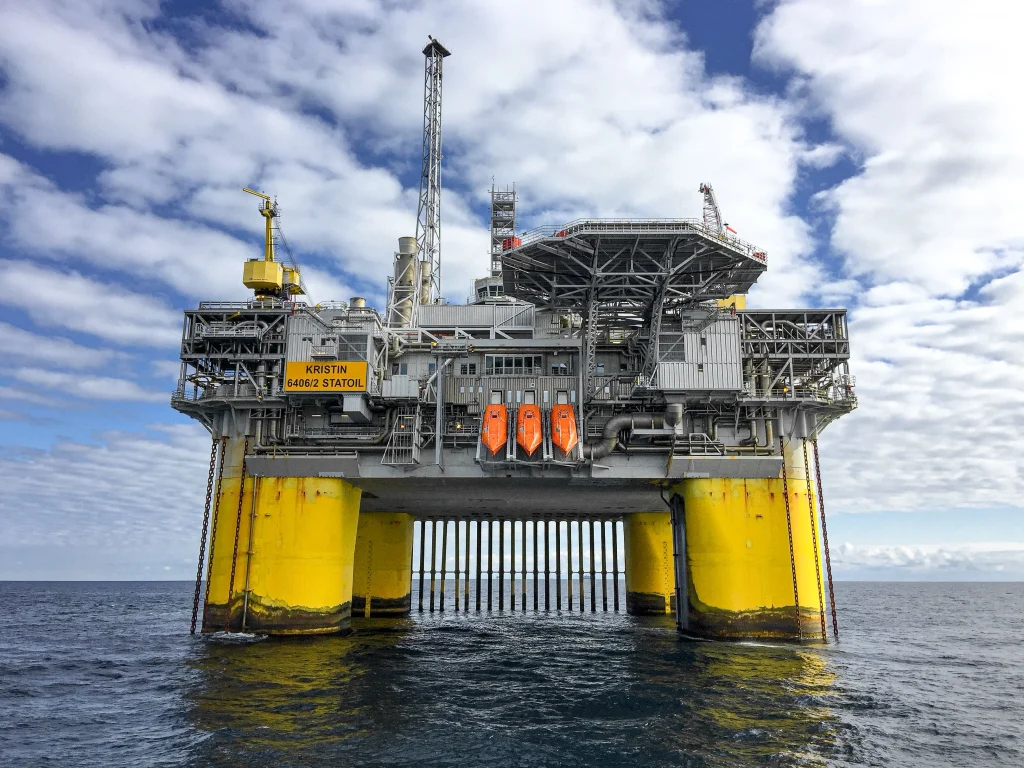
Traditional fixed-bottom foundations become economically unfeasible in sea waters deeper than sixty meters, prompting engineers to develop floating substations secured by advanced mooring line arrays.
Learn more: Offshore Wind Farms: Challenges and Opportunities
These floating steel structures accommodate shifting ocean currents and heavy waves, unlocking massive wind resources located far off continental coastlines where winds blow faster and more consistently.
Deepwater installations enable nations with narrow continental shelves to expand clean energy portfolios without occupying valuable coastal real estate or causing visual impact near shorelines.
Which key technical innovations enhance reliability in harsh ocean environments?
Corrosion-resistant alloys, sealed enclosures, and eco-friendly biodegradable ester fluids prevent seawater damage while reducing environmental contamination risks in vulnerable marine ecosystems during operational lifetimes.
Subsea automated monitoring sensors transmit real-time thermal readings and structural vibration data back to onshore control centers, allowing predictive maintenance long before equipment failures happen.
Read more: Energy Offshore Cable Bottlenecks Growing
Comprehensive research regarding ocean energy deployment and electrical infrastructure standards is maintained by the National Renewable Energy Laboratory, a premier research facility.
Adopting predictive maintenance algorithms minimizes hazardous offshore technician visits, reducing operational expenses while extending the working lifetime of multi-megawatt marine electrical assets significantly.
How do automated control systems reduce operational costs and maintenance risks?
Unmanned substation designs rely on artificial intelligence algorithms and remote digital twins to operate switchgear and diagnose electrical faults without requiring continuous onboard human presence.
Learn more: Offshore Cable Delays Slowing Renewable Energy Projects
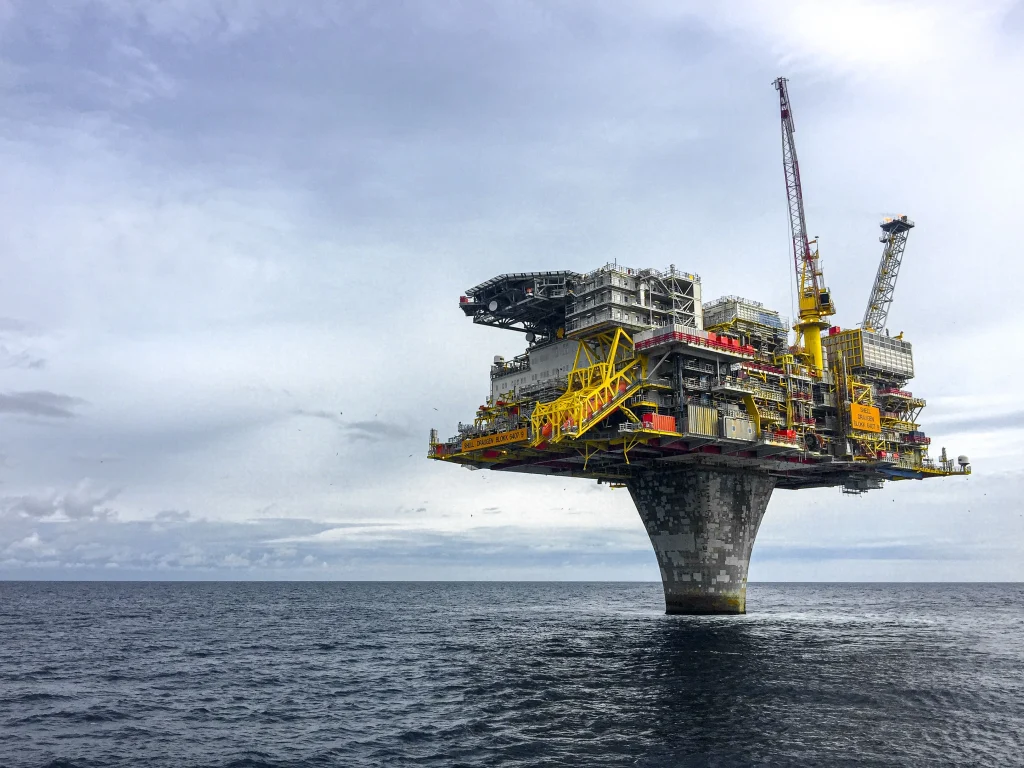
Helicopter and service operation vessel deployments decrease dramatically when advanced sensors detect insulation wear or gas leaks early, enabling scheduled repairs during calm seasonal sea windows.
Lowering operational risk profiles attracts long-term institutional investment, driving down the overall levelized cost of energy for coastal communities relying on marine wind production.
Frequently Asked Questions (FAQ)
What is the primary difference between HVAC and HVDC offshore substations?
HVAC substations are ideal for near-shore wind farms under fifty kilometers, whereas HVDC substations convert power for long-distance transport without significant line loss.
How do engineers protect offshore substations from severe ocean storms?
Platforms feature heavy steel jackets anchored deep into the seabed or dynamic mooring cables, elevated decks above wave heights, and specialized marine-grade anti-corrosion coatings.
What is the typical operational lifespan of a modern offshore substation?
Most facilities are engineered for an operational lifespan of twenty-five to thirty years, matching the intended service lifecycle of connected commercial offshore wind turbines.
