
Emerging Charging Standards for Electric Motorcycles
Analyzing emerging charging standards for electric motorcycles highlights how standardized plugs, battery swapping protocols, and high-voltage DC architectures are reshaping urban mobility and long-distance two-wheeler travel globally.
For years, electric motorcycle manufacturers relied on proprietary connectors and fragmented charging setups, forcing riders to carry bulky adapters or plan routes around limited single-brand charging networks.
Global regulatory bodies, motorcycle consortia, and infrastructure providers now drive unified interoperability standards, enabling lightweight electric vehicles to access public fast-charging stations alongside four-wheeled electric cars.
We will explore universal plug formats, swappable battery alliances, thermal management needs, and infrastructural advancements establishing reliable energy replenishment networks for two-wheeled riders everywhere.
What are the primary charging standards powering modern electric motorcycles?
Compact electric scooters and light commuter motorcycles frequently utilize Type 1 (SAE J1772) or Type 2 (Mennekes) AC connectors for overnight home replenishment or workplace charging stations.
High-performance electric motorcycles designed for highway speeds increasingly adopt Combined Charging System (CCS) Type 2 and North American Charging Standard (NACS) ports for rapid direct-current replenishment.
Selecting NACS or CCS connectors allows premium electric bikes to utilize public high-power charging corridors, replenishing battery capacity from ten to eighty percent in under twenty minutes.
Understanding emerging charging standards for electric motorcycles helps riders choose models compatible with expanding public infrastructure, ensuring long-distance tour confidence and daily commuter convenience.
How do swappable battery consortia standardize urban charging ecosystems?
The Swappable Batteries Motorcycle Consortium (SBMC), founded by major manufacturers like Honda, Yamaha, KTM, and Piaggio, establishes unified physical dimensions, mechanical locks, and communication protocols.
Shared battery swapping stations allow urban commuters to exchange depleted battery modules for fully charged units within thirty seconds, eliminating charging downtime entirely in congested metropolitan centers.
Standardized voltage parameters and connector pinouts ensure battery packs function seamlessly across diverse motorcycle brands, lightweight commercial delivery tricycles, and urban micro-mobility fleets.
Swappable architectures solve apartment charging limitations where private garage outlets are unavailable, offering dense urban populations reliable access to clean transportation energy without infrastructural strain.
Architectural Comparison of Electric Two-Wheeler Charging Solutions
| Charging Architecture | Voltage & Power Output | Average Replenishment Time | Ideal Usage Scenario & Vehicle Class |
| AC Level 2 (J1772 / Type 2) | 110V – 240V / 3.3 kW to 6.6 kW | 2 to 4 hours | Home garages, workplace parking, and urban commuter motorcycles |
| DC Fast Charging (CCS / NACS) | 300V – 400V / 20 kW to 50 kW+ | 15 to 30 minutes | Premium highway touring motorcycles and high-capacity battery packs |
| Swappable Module Stations (SBMC) | 48V – 72V per modular pack | Under 1 minute (Swap time) | Urban delivery fleets, scooters, and lightweight commuter motorcycles |
| ChASoM / Combined Asian Standard | Ultra-compact low-power DC | 30 to 45 minutes | Asian market light electric vehicles and urban utility scooters |
Why is thermal management crucial for high-power DC motorcycle charging?
Small battery pack volumes inherent to motorcycle chassis design create thermal dissipation challenges when subjected to high-current direct-current fast-charging energy inputs during hot weather conditions.
Exceeding optimal cell temperature limits triggers thermal throttling algorithms, which automatically reduce charging speeds to prevent permanent lithium-ion battery degradation or hazardous thermal runaway events.
Learn more: Passive House Standards and Their Role in Renewable Energy Efficiency
Advanced electric motorcycles incorporate liquid-cooling loops surrounding internal battery modules, maintaining stable internal temperatures during aggressive fifty-kilowatt DC fast-charging sessions on long highway journeys.

Consult engineering standards, transportation electrification whitepapers, and international mobility safety guidelines published by SAE International to examine technical electrical connector specifications.
How do grid communication protocols enhance smart charging efficiency?
Modern charging standards integrate ISO 15118 protocols, enabling Plug & Charge capabilities where the motorcycle authenticates, initiates power transfer, and processes billing automatically upon plug insertion.
Bi-directional communication allows smart charging networks to adjust power delivery dynamically based on local electrical grid demand, preventing neighborhood transformer overloads during peak evening hours.
Read more: Electric Car NACS Charging Standard Expansion 2026
Vehicle-to-Grid (V2G) integrations enable parked electric motorcycles to feed excess stored battery energy back into home networks or utility grids during emergency blackouts or peak tariff windows.
Adapting emerging charging standards for electric motorcycles ensures two-wheelers integrate smoothly into broader smart grid ecosystems, lowering ownership costs through automated off-peak charging schedules.
What regulatory policies are driving universal connector adoption?
European Union directives mandating universal charging access force manufacturers to phase out proprietary plugs, establishing Type 2 and CCS as mandatory regional standards for street-legal motorcycles.
Asian markets prioritize standardized battery swapping networks across commercial delivery fleets, issuing government subsidies exclusively to manufacturers complying with unified battery enclosure dimensions.
Learn more: Universal Battery Standards Could Expand Electric Motorcycle Access
North American charging network expansions incentivize NACS port integration, encouraging motorcycle brands to adopt compact Tesla-style inlets that fit neatly within tight motorcycle frame profiles.
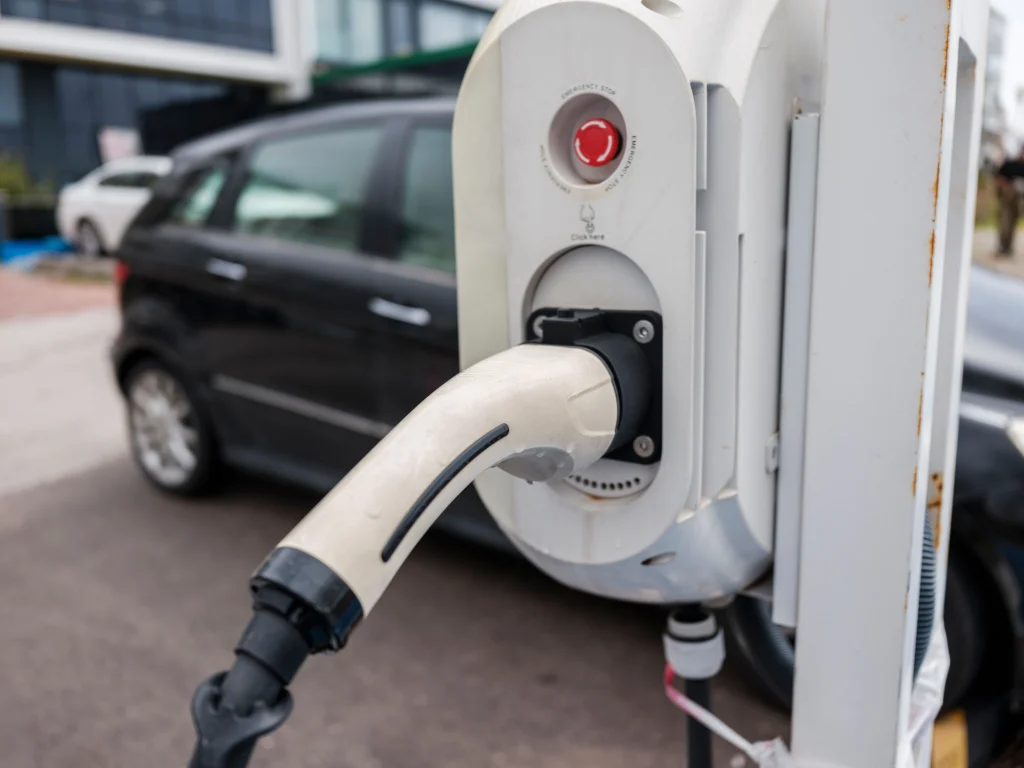
Review international energy policies, global EV infrastructure reports, and sustainable transport deployment analyses published by the International Energy Agency (IEA) to track adoption trends.
Frequently Asked Questions (FAQ)
Can I charge my electric motorcycle at a standard Tesla Supercharger station?
Electric motorcycles equipped with native NACS ports or approved CCS-to-NACS adapters can utilize Tesla Supercharger stations that support open vehicle communication protocols.
Is battery swapping better than DC fast charging for electric motorcycles?
Battery swapping excels in dense cities for small-capacity scooters, while DC fast charging suits larger touring motorcycles carrying high-voltage, non-removable battery packs.
Does frequent DC fast charging damage an electric motorcycle battery?
Modern liquid-cooled battery management systems mitigate heat wear during fast charging, though relying primarily on Level 2 AC charging prolongs overall pack lifespan.
What is the standard voltage for swappable electric motorcycle batteries?
Most international swapping consortia standardize individual battery modules at 48 volts or 72 volts, allowing vehicles to connect multiple packs in parallel or series.
Embracing emerging charging standards for electric motorcycles eliminates range anxiety, unifies public charging infrastructure, and accelerates global two-wheeled electric vehicle adoption.
Standardized plugs and battery swapping networks ensure riders enjoy seamless, fast, and reliable energy replenishment wherever they travel.
