
Motorcycle Adaptive Torque Mapping Systems
Integrating Adaptive Torque Mapping Systems into the digital brain of high-performance electric motorcycles marks a significant milestone in modern two-wheeled vehicular dynamics, safety, and efficiency.
Traditional internal combustion engines rely heavily on mechanical throttle cables and rigid fuel injection curves that cannot adjust dynamically to changing traction parameters or rider biometrics.
In stark contrast, next-generation electric powertrains leverage solid-state microcontrollers capable of measuring real-time asphalt friction and lean angles to recalibrate energy output millisecond by millisecond.
This technical guide explores the software architecture behind predictive power delivery, the vital role of inertial measurement units, and the tangible advantages for riders navigating unpredictable urban streets or competitive racing circuits.
What are the primary engineering mechanics behind dynamic power delivery?
The core architecture utilizes a dense network of digital wheel-speed indicators, rotational sensors, and central electronic processing units that communicate via an ultra-fast controller area network.
These high-speed computing modules intercept the physical electronic signal generated by the rider’s throttle grip before it ever reaches the power inverter.
By analyzing the difference between front and rear wheel rotation speeds, the motorcycle immediately detects invisible micro-slips caused by water, gravel, or oil on the road.
The system instantly modifies the phase current entering the permanent magnet motor, smoothing out delivery without creating the physical engine stutter typical of older traction software.
This precise modulation ensures the electric motorcycle remains perfectly balanced and composed, especially when exiting tight corners where torque spikes could easily cause a high-side crash.
Riders receive a completely fluid acceleration experience that maximizes structural traction without requiring professional, track-level throttle manipulation skills under pressure.
How does sensor fusion optimize motorcycle stability control?
Achieving true predictive handling requires merging multiple data streams through a specialized onboard computer processor, an engineering discipline known technically as multi-sensor data fusion.
The motorcycle combines data from a six-axis inertial measurement unit with real-time wheel speed calculations to create a three-dimensional model of the vehicle’s dynamic state.
This advanced calculation allows the system to determine exactly how far the motorcycle is leaning into a turn, its pitch during aggressive deceleration, and its lateral drift.
If the rider opens the throttle aggressively while leaned over at forty-five degrees, the powertrain limits instant energy deployment to protect the rear tire’s lateral grip.
To understand how modern digital intervention alters performance metrics compared to legacy mechanical internal combustion engines, look at the verified engineering data summarized below:
| Vehicle System Component | Electric Adaptive Torque Mapping Systems | Traditional Mechanical IC Powertrains | Real-World Performance Impact |
| Data Processing Latency | Under 1.5 milliseconds | 15 to 45 milliseconds (mechanical lag) | Instant correction of rear wheel slip events |
| Adjustment Granularity | Continuous phase current modulation | Fixed ignition timing steps and fuel cuts | Smoother power delivery without unsettling chassis |
| Lean-Angle Awareness | Full integration via 6-Axis IMU data | Highly limited or completely non-existent | Safe acceleration while cornering on wet roads |
| Energy Reclamation | Dynamic regeneration tied to traction levels | Zero recovery (friction braking losses only) | Extended battery range and reduced pad wear |
The technical metrics show that solid-state software control delivers a massive safety advantage by mitigating traction loss before the human rider even senses a slip.
This digital shield lowers mechanical wear on tires, extends expensive drive components, and optimizes overall energy consumption.
To review the latest industrial manufacturing standards and technical safety regulations governing electric vehicles, visit the Society of Automotive Engineers (SAE).
Why does real-time torque modification extend long-term battery lifespan?
Electric motors can deliver maximum twisting force starting from zero revolutions per minute, a characteristic that places immense mechanical and thermal stress on internal battery cells.
Unrestricted power draws cause rapid heat accumulation within the lithium-ion packs, accelerating long-term chemical degradation and reducing total range capacity over time.
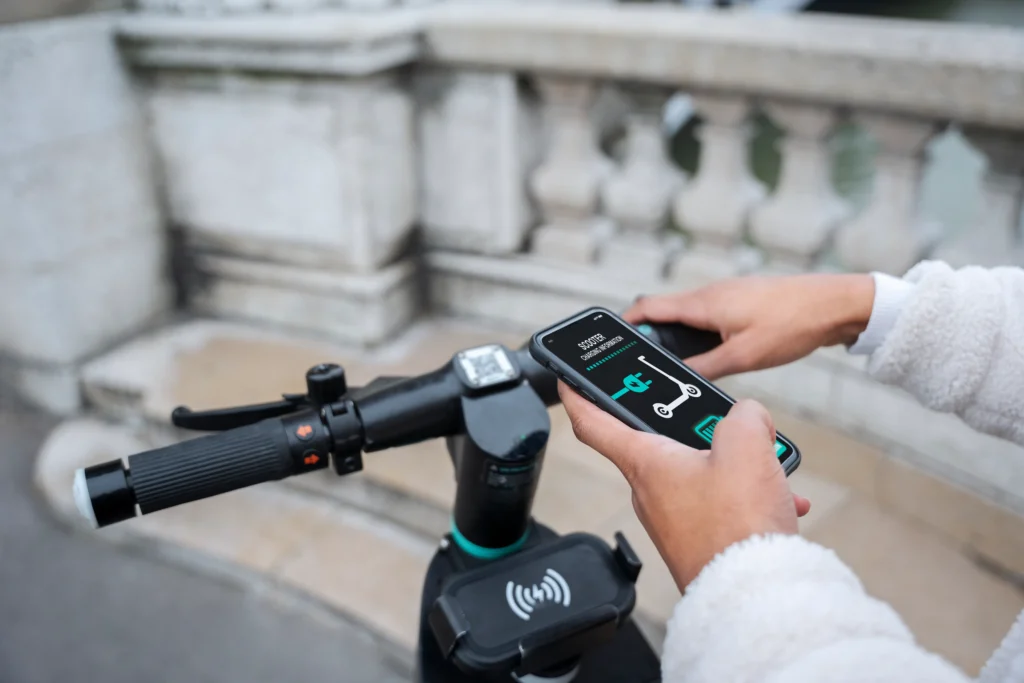
By utilizing smart mapping software, the motorcycle controller restricts aggressive current draws during non-essential riding scenarios, keeping internal pack temperatures within the optimal zone.
Learn more: Electric Motorcycle Charging Station Compatibility Issues
This thermal management strategy prevents the vehicle’s battery management system from entering a protective limp mode during sustained high-speed freeway cruising or steep mountain climbs.
Furthermore, these systems optimize regenerative braking by analyzing rear-wheel vertical load factors before capturing kinetic energy during deceleration phases.
This calculated approach prevents rear-wheel lockups during high-speed energy reclamation, turning braking force into clean electricity while maintaining absolute motorcycle stability.
When should riders modify their custom power delivery profiles?
Modern electric motorcycles allow operators to fine-tune their throttle profiles through smartphone applications or integrated cockpit displays to match personal skill levels and changing environmental factors.
Advanced software algorithms adjust the throttle progression curve, maximum output ceilings, and the overall aggressiveness of the initial power delivery step.
During heavy downpours or winter conditions, selecting a wet weather profile dampens the throttle response, forcing the controller to prioritize maximum traction over raw acceleration speed.
Read more: Electric Motorcycle Predictive Battery Failure Alerts
Conversely, track-day profiles sharpen the software’s reaction times, allowing experienced riders to safely explore the edge of tire adhesion under controlled conditions.
Understanding these underlying software settings enables riders to customize their machinery for optimal commuting efficiency or weekend canyon carving.
This digital versatility replaces the old need for physical engine modifications, allowing a single electric vehicle to shift personalities seamlessly via software updates.
The New Frontier of Intelligent Electric Propulsion
Embracing Adaptive Torque Mapping Systems signals a complete transformation in the relationship between an operator, their vehicle, and the unpredictable road environment ahead.
By substituting legacy mechanical connections with real-time computing power, electric motorcycles deliver unmatched rider safety without reducing the visceral excitement of two-wheeled acceleration.
As solid-state battery tech and artificial intelligence processing modules continue to mature, predictive traction systems will become even more integrated into urban safety grids.

Learn more: Electric Motorcycle Battery Passport Rules in 2026
Investing in intelligent propulsion technologies preserves lives, accelerates the adoption of clean transportation, and establishes a new benchmark for performance design worldwide.
To view international road safety data, vehicle type-approval research, and global green transport initiatives, check the comprehensive repository of the European Automobile Manufacturers’ Association (ACEA).
Frequently Asked Questions (FAQ)
Can an aftermarket software update add predictive torque mapping to an older electric motorcycle?
No, true predictive mapping requires specific physical hardware components, including a high-speed electronic controller and a six-axis inertial measurement unit.
Older electric motorcycles lacking these integrated sensor arrays cannot process the complex real-time algorithmic calculations required to safely modulate phase current on the fly.
Does the system interfere with the natural mechanical feedback that a rider feels through the handlebars?
The system operates completely within the digital power inverter and motor control software, meaning it does not alter the physical steering geometry or suspension feedback.
Riders still feel the natural traction limits of the tires through the chassis, but without the abrupt, dangerous traction breaks that cause crashes.
How do these advanced torque systems handle sudden transitions from asphalt to gravel roads?
The wheel-speed sensors detect the instantaneous acceleration of the rear wheel relative to the front wheel within less than two milliseconds of entering gravel.
The control unit drops power to match the lower friction coefficient instantly, ensuring the motorcycle remains upright and tracking straight through the loose surface.
Do these electronic rider aids increase the overall maintenance costs of electric motorcycles?
Solid-state electronic control units and digital sensors require virtually zero regular maintenance compared to the complex mechanical components found in traditional internal combustion engines.
By preventing wheel spin and smoothing out power spikes, these systems actually lower maintenance costs by reducing tire wear and chain stretch.
