
Electric Transport Trolleybus Systems Returning Fast
Municipal transit planners are rapidly recognizing that trolleybus systems returning fast to the forefront of urban planning represent an incredibly efficient, grid-tied alternative to heavy-battery electric buses.
As cities race to satisfy aggressive zero-emission mandates, traditional fleet electrification faces massive grid hurdles and localized power supply strain.
This technical analysis explores how modern grid-tied transit designs lower municipal lifecycle costs, eliminate charging downtime, and maximize route flexibility through advanced technological innovations.
What is an in-motion charging transit infrastructure?
An In-Motion Charging (IMC) framework describes a specialized dual-powered transit architecture combining continuous overhead power distribution with compact, lightweight onboard lithium-ion traction battery packs.
Unlike vintage trackless trolleys that remained strictly bound to paired copper catenary lines, modern vehicles detach seamlessly to navigate grid gaps effortlessly.
When operating directly beneath overhead wires, the vehicle draws electrical current via automated roof-mounted pneumatic poles to power its high-torque electric propulsion motor.
Simultaneously, an onboard computer manages power allocation, routing excess energy into the internal battery pack at high transfer rates.
This dynamic energy transfer eliminates the unproductive terminal waiting times that plague conventional overnight-recharged or opportunity-charged battery electric vehicle fleets.
Consequently, IMC engineering allows transit agencies to maintain tight operational schedules without purchasing surplus vehicles to cover lengthy charging cycles.
How do automated pantographs bypass urban aesthetic restrictions?
Historic city centers, complex intersections, and protected architectural corridors frequently present severe physical or regulatory obstacles to traditional, dense overhead catenary wiring networks.
Modern automated current collection systems resolve these aesthetic concerns completely by reducing the physical layout of overhead cables by 50% to 80%.
Drivers no longer exit the vehicle cabin to manually position current collectors using physical ropes when changing power distribution sources.
Instead, localized guide funnels mounted directly onto the catenary wires catch the rising pneumatic poles automatically within fifteen seconds during standard passenger boarding.
This adaptability ensures trolleybus systems returning fast to municipal development plans can cross historical preservation zones entirely on internal battery power.
Removing dense wiring networks from visually sensitive districts preserves urban architecture while delivering high-capacity, zero-emission mass transit to dense commuter hubs.
Why do lightweight battery configurations optimize transit lifecycle costs?
Standard battery-electric buses require massive internal battery packs weighing up to several tonnes to achieve acceptable operational daily driving ranges.
This immense deadweight accelerates road surface degradation, lowers total passenger carrying capacity, and demands extensive raw material consumption during vehicle manufacturing.
By contrast, an IMC vehicle requires a battery pack only a fraction of that size because the municipal grid provides continuous primary propulsion energy.
Lowering onboard weight directly decreases rolling resistance, optimizes energy consumption metrics, and significantly minimizes long-term battery disposal liabilities.
According to technical research data compiled by the International Association of Public Transport (UITP), optimizing infrastructure with continuous charging networks yields distinct operational benefits over standalone battery alternatives:
| Transit Propulsion Technology | Average Onboard Battery Weight | Required Terminal Charging Stop | Infrastructure Asset Operational Lifespan |
| In-Motion Charging (IMC) | 0.5 to 1.5 Tonnes | 0 Minutes (Charged in motion) | 40+ Years (Substations and grid lines) |
| Opportunity (Pantograph) | 2.5 to 4.0 Tonnes | 5 to 12 Minutes per loop | 10 to 15 Years (Stationary chargers) |
| Overnight Plug-In Fleet | 4.5 to 6.0 Tonnes | 4 to 6 Hours (Depot only) | 8 to 10 Years (Heavy battery packs) |
| Legacy Trackless Trolley | 0.0 Tonnes (No battery) | 0 Minutes (Zero off-wire run) | 30+ Years (Full catenary grid) |
Which economic metrics justify building fixed overhead networks?
Initial capital expenditure for catenary installations often deters casual municipal planners, yet comprehensive total cost of ownership (TCO) models favor fixed infrastructure over extended lifecycles.
Rail-based distribution substations and overhead line supports consistently deliver reliable performance metrics for over forty years with minimal maintenance.
Read more: Electric trolleys: Reviving historic transit with modern tech
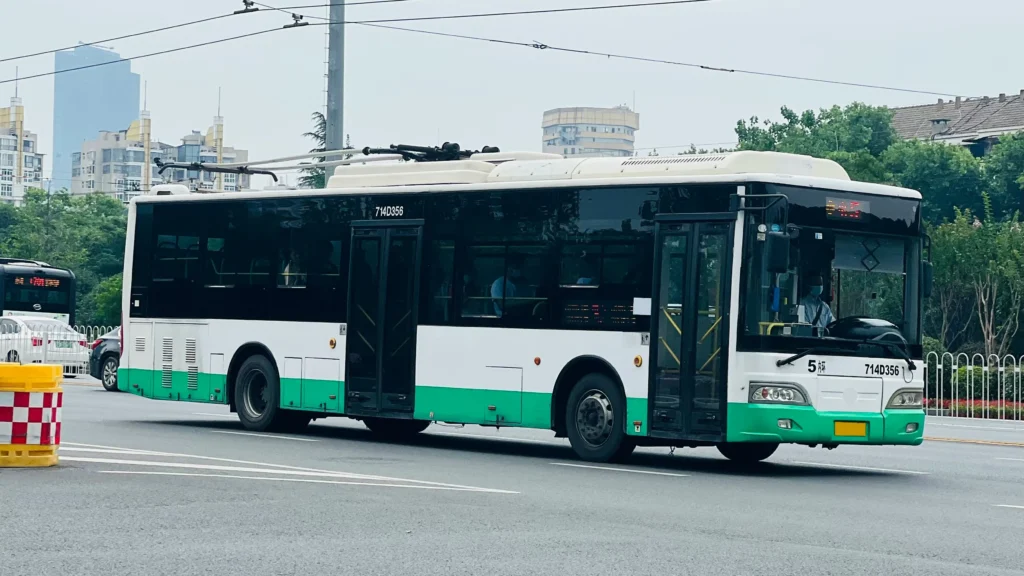
Conversely, stand-alone depot charging stations require frequent software updates, specialized cooling infrastructure, and comprehensive battery management replacements every decade.
Spreading fixed catenary asset depreciation over multiple decades protects municipal transit budgets against premature technology lock-in and unexpected utility rate shifts.
Furthermore, integrating a resilient trolleybus systems returning fast implementation strategy stabilizes the regional electrical grid by drawing power smoothly throughout the entire operational route.
Avoiding the severe peak-demand power spikes associated with massive depot charging arrays lowers industrial utility penalties significantly.
When do modern trolleybuses maximize commuter rapid transit capacity?
High-capacity corridors demanding high-frequency, articulated or bi-articulated transport options expose the structural limits of traditional battery-powered commercial buses.
Heavy passenger loads combined with intensive heating or air conditioning demands drain standard vehicle batteries rapidly, causing major scheduling vulnerabilities.
Deploying high-capacity IMC buses onto dedicated Bus Rapid Transit (BRT) lanes ensures uninterrupted twenty-four-hour operation across dense industrial corridors.
Learn more: Electric Trolleybuses Are Making a Comeback in Cities Without Overhead Wires
High-frequency systems utilize shared overhead wires along core avenues, maximizing infrastructure return on investment while servicing outlying suburban branches via battery power.
This scalable approach allows growing metropolitan regions to expand zero-emission corridors progressively without completely rebuilding localized utility connections at every suburban terminal.
Fixed transit investments stabilize urban development patterns, driving long-term commercial zoning improvements around established, visible electric corridors.
Re-electrifying global cities via proven grid systems
Embracing the renaissance of modern trolleybus technology allows progressive urban centers to bypass the weight, range, and charging limitations of standalone battery fleets.
Combining time-tested overhead power lines with advanced battery systems creates a highly reliable, flexible, and sustainable public transit alternative.
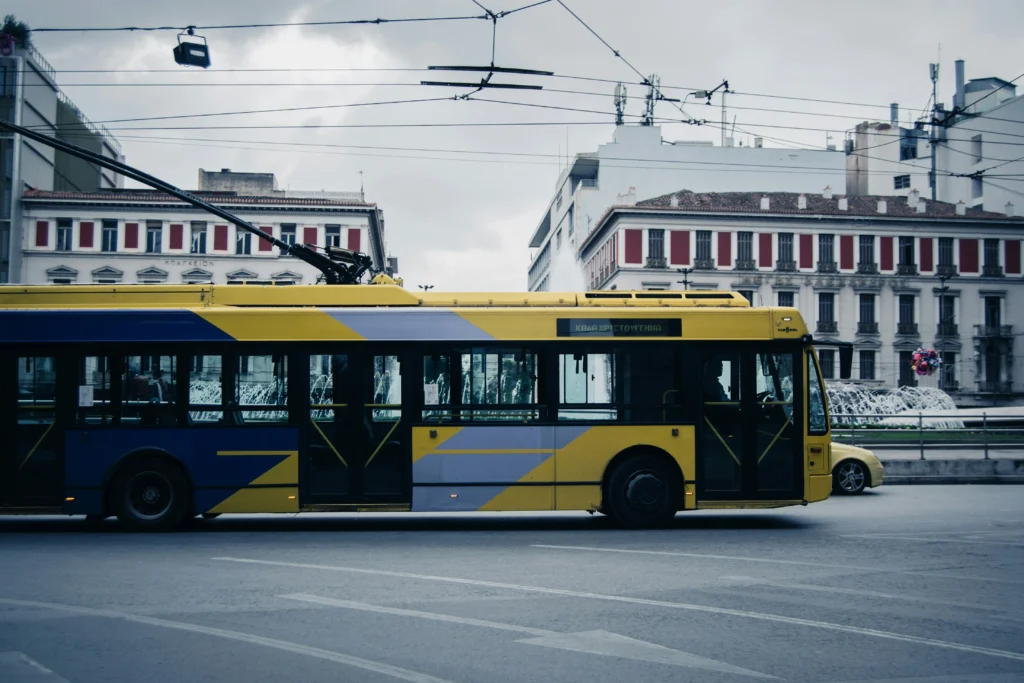
Municipalities deploying these dynamic systems protect their public spaces from excessive battery waste while securing highly predictable operational overhead costs.
The ongoing return of the trolleybus proves that updating foundational grid infrastructure remains the fastest pathway toward achieving completely decarbonized city centers.
Read more: Electric Transport Micromobility Grid Load Challenges
For extensive engineering documentation regarding international fleet modernizations and sustainable transportation policies, consult the formal publications of the Clean Energy Ministerial (CEM).
Frequently Asked Questions (FAQ)
Can an in-motion charging trolleybus operate safely during a localized power grid failure?
Yes, the onboard lithium-ion traction battery pack allows the vehicle to instantly lower its poles and drive autonomously for fifteen kilometers or more. This independent range ensures passengers reach safe destinations even during unexpected municipal utility outages or localized accidents.
How do modern dual-powered trolleybuses perform in steep, mountainous urban topography?
Electric motors provide maximum torque from a complete stop, making trolleybuses exceptionally proficient at climbing steep urban inclines under full passenger loads. Regenerative braking systems recapture that potential energy during descents, feeding electricity directly back into the overhead catenary lines.
What is the typical physical lifespan of modern overhead catenary infrastructure components?
High-quality copper contact lines, solid steel support poles, and regional traction power substations routinely operate efficiently for forty to fifty years. This incredible physical durability far outlasts the operational lifespans of standalone depot charging stations and heavy bus battery packs.
Do overhead wires pose electrocution hazards to pedestrians during severe weather events?
No, modern transit networks utilize advanced automated circuit breakers that instantly isolate and de-energize damaged wire sections the moment an anomaly is detected. Dual-insulated mountings and robust physical shielding protect public safety across all standard operating conditions.
