
Renewable Energy Clean Energy Supply Chain Reshoring
The global shift toward Clean Energy Supply Chain Reshoring has emerged as the most critical economic and geopolitical priority for industrialized nations in 2026.
As countries race to meet ambitious net-zero targets, the vulnerabilities of over-extended, singular-source maritime logistics have become impossible to ignore for modern policymakers and energy leaders.
Bringing manufacturing back to domestic soil ensures that the transition to wind, solar, and battery storage remains resilient against international trade disputes.
This strategic realignment focuses on securing critical minerals and high-tech components, creating a self-sustaining ecosystem that prioritizes local energy security and long-term economic stability.
What is the economic driver behind reshoring energy production?
The momentum behind Clean Energy Supply Chain Reshoring is fueled by a fundamental change in how governments view the intersection of manufacturing and national defense.
Volatility in global shipping costs and carbon tariffs on imported goods have made domestic production a more cost-effective alternative for many private developers.
In 2026, the cost parity between imported and domestic renewable technology is narrowing due to advanced automation and localized manufacturing hubs.
These “gigafactories” benefit from being closer to their end-markets, allowing for rapid iteration and reduced lead times for massive utility-scale projects across North America and Europe.
Tax credits and direct subsidies have successfully incentivized companies to build solar wafer facilities and lithium-ion refineries within their own borders.
This shift represents a transition from a globalized “just-in-time” model to a more secure “just-in-case” strategy, where availability is valued as highly as low unit costs.
How does automation facilitate the return of green manufacturing?
Automation serves as the great equalizer in the reshoring debate, allowing high-wage nations to compete with traditional low-cost manufacturing centers through extreme efficiency.
Robotic assembly lines now handle the intricate task of solar cell fabrication and wind turbine blade molding with unprecedented precision and minimal material waste.
Digital twin technology allows engineers to optimize factory layouts virtually before a single machine is installed, ensuring maximum output from every square meter of floor space.
This high-tech approach reduces the labor-cost disparity that originally drove manufacturing overseas, making domestic operations viable and highly profitable for long-term investors.
According to the International Energy Agency (IEA), the diversification of clean energy manufacturing is essential for a stable global transition.
By leveraging local expertise in high-end engineering and software, reshored facilities can produce more efficient hardware that outcompetes generic imports in durability and energy density.
Offshore vs. Reshored Supply Chain Metrics (2026)
| Metric | Traditional Offshore Model | Modern Reshored Model |
| Average Lead Time | 6 – 9 Months | 1 – 2 Months |
| Logistics Carbon Footprint | High (Transoceanic Shipping) | Low (Interstate/Regional Rail) |
| IP Protection Risk | Moderate to High | Low (Domestic Legal Framework) |
| Supply Chain Visibility | Fragmented / Opaque | End-to-End Real-Time Tracking |
| Economic Impact | Outbound Capital Flow | Domestic Job Creation & Tax Base |
Why are critical minerals the focal point of supply chain security?
Without a reliable source of lithium, cobalt, and rare earth elements, the transition to a Clean Energy Supply Chain Reshoring model remains incomplete.
Strategic mineral processing has moved from being a distant industrial process to a core component of domestic energy policy in 2026.
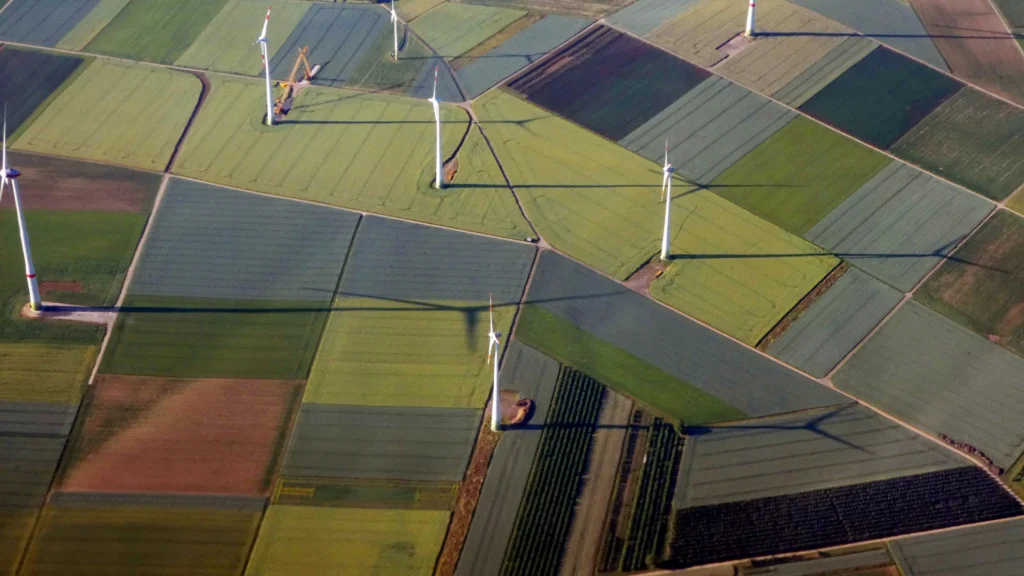
Nations are now investing in “urban mining” and advanced chemical recycling to reclaim materials from old electric vehicle batteries and decommissioned wind turbines.
This secondary supply chain reduces the environmental impact of raw extraction while ensuring that once a mineral enters a domestic market, it stays there.
Read more: Renewable Energy Power-to-X Scaling Beyond Pilots
The security of these materials is vital because they represent the “fuel” of the future, replacing oil and gas with permanent, recyclable infrastructure.
Establishing local refineries allows for stricter environmental standards and ensures that the green transition does not come at the cost of unethical labor practices abroad.
Which regions are leading the race to reshore clean energy?
The United States and the European Union have pioneered aggressive legislative frameworks to attract solar and wind manufacturing back to their respective economic zones.
In 2026, we see a “Green Corridor” developing where clusters of related industries locate near each other to share resources and research.
Learn more: Biomass Energy Explained: How It Works & Its Role in Clean Energy Transition
These clusters often include battery manufacturers, semiconductor plants, and electrical grid hardware specialists who work in tandem to create integrated solutions.
This proximity fosters innovation and allows for the rapid deployment of microgrid technologies that would be impossible with a fragmented, globalized supply network.
As these regions secure their own needs, they are also becoming exporters of high-quality, reliable energy technology to emerging markets that value supply chain transparency.
This shift is creating a new global hierarchy where technological leadership and domestic industrial capacity define a nation’s influence in the international energy market.
How does reshoring impact the overall cost of renewable energy?
While initial capital expenditures for domestic factories are significant, the long-term impact on the levelized cost of energy (LCOE) is overwhelmingly positive.
Shortening the Clean Energy Supply Chain Reshoring process eliminates the “logistics tax” associated with shipping heavy, fragile components across thousands of miles of ocean.
Reduced transportation risks translate into lower insurance premiums and financing costs for developers, as the certainty of delivery becomes a measurable asset.
In 2026, project timelines are being slashed because components arrive on-site just days after leaving the factory, rather than being stuck in port congestion.
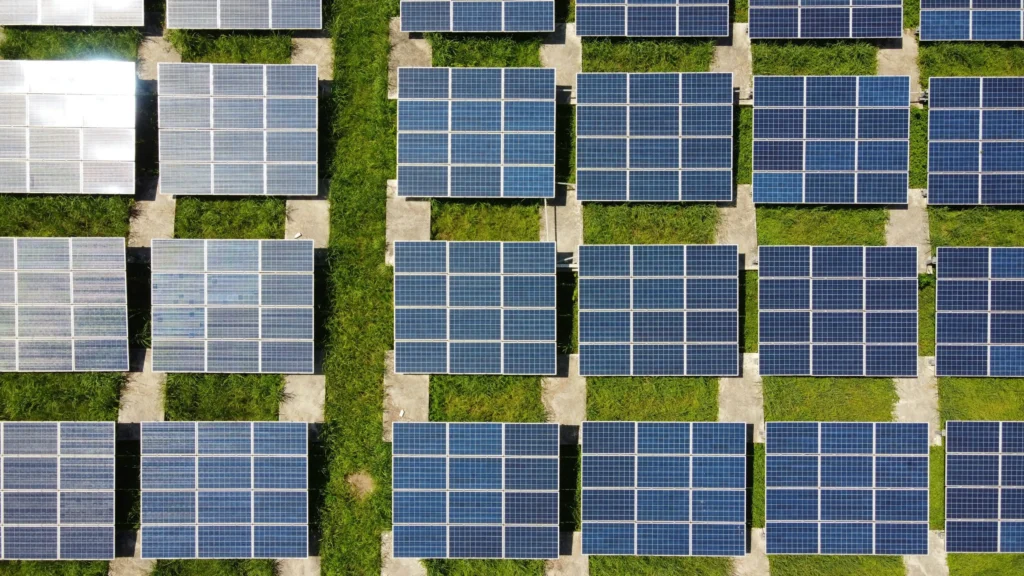
Furthermore, domestic manufacturing allows for the customization of hardware to suit specific local climates, such as reinforced wind turbines for hurricane-prone coastal regions.
This “made-to-order” approach increases the efficiency and lifespan of the equipment, providing a higher return on investment for the utility companies and taxpayers alike.
What role does government policy play in maintaining reshoring momentum?
Continued success in reshoring depends on consistent policy signals that give private investors the confidence to commit billions of dollars to long-term projects.
In 2026, many nations have moved beyond simple grants to implement comprehensive industrial policies that include workforce training and infrastructure upgrades.
Learn more: Renewable Energy Policy Frameworks: Ensuring Long-Term Investment
Providing low-interest loans for green manufacturing ensures that small and medium-sized enterprises can participate in the supply chain alongside multinational giants.
This diversity creates a more robust industrial ecosystem that is less susceptible to the failure of any single company or market participant.
To stay updated on the legal frameworks governing international trade and domestic energy incentives, the World Trade Organization (WTO) provides essential resources on global trade rules.
Their analysis helps businesses navigate the complex landscape of carbon adjustments and domestic content requirements that define the modern clean energy market.
FAQ: Understanding Clean Energy Reshoring
Will reshoring make renewable energy more expensive for consumers?
Initially, some costs may rise as factories are built, but the long-term reduction in logistics and the increase in automation lead to lower prices. Domestic competition and shorter supply routes eventually provide more stable and predictable energy costs for the end-user compared to volatile imports.
Can all components of a wind turbine be reshored?
The majority of heavy components, such as towers and blades, are already being reshored due to high shipping costs. However, specialized electronic components like semiconductors still rely on global networks, though domestic production in these sectors is also rapidly expanding under new industrial acts.
How does reshoring help the environment beyond energy production?
Reshoring significantly reduces the carbon footprint of the manufacturing process itself by utilizing local, often cleaner, energy grids and shorter transportation routes. It also ensures that factories adhere to strict domestic environmental regulations regarding waste management and chemical usage during production.
The strategic move toward Clean Energy Supply Chain Reshoring is a permanent shift in the global industrial landscape, driven by the twin engines of security and sustainability.
By rebuilding domestic manufacturing, nations are not only protecting their energy future but also creating a more equitable and transparent path to net-zero.
The transition of 2026 is no longer just about building more solar panels; it is about building them better, closer to home, and with a commitment to long-term resilience.
As the world moves away from fossil fuels, the strength of a nation will be measured by its ability to innovate and manufacture the tools of its own independence.
This new era of green industrialism promises a future where energy is not just clean, but reliably and domestically sourced for all.
