
How to Retrofit Diesel Trucks to Electric Is It Worth It?
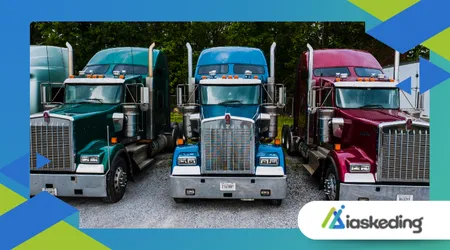
How to Retrofit Diesel Trucks to Electric is a question dominating fleet managers’ minds.
It is a topic that sits at the intersection of economics and environmental responsibility.
They face the twin pressures of rising fuel costs and tightening emissions regulations.
For years, the choice seemed clear.
Either you bought a new diesel truck or you invested in a new, expensive electric model. Retrofitting offers a compelling third option. It promises to transform existing assets.
The process is an act of engineering ingenuity.
It re-imagines the life cycle of a heavy-duty vehicle. It repurposes the robust chassis and cab for a zero-emission future.
This path is not without its complexities. It demands a careful evaluation of costs, benefits, and operational realities.
Is it a strategic and viable path to fleet modernization? This article explores the facts.
A Second Life for Diesel Workhorses

Retrofitting involves removing a truck’s entire diesel powertrain.
This includes the engine, transmission, and fuel tanks. In their place, a large battery pack, an electric motor, and an advanced control system are installed.
The result is a truck that retains its original chassis. The body and cab are preserved, but its power source is fundamentally changed.
This transformation offers a chance at renewed efficiency. It can extend the operational life of a well-maintained vehicle.
The Financial Equation: Crunching the Numbers
The cost of a retrofit can be significant. However, it is often less than purchasing a new electric truck. The upfront investment is high.
The long-term savings in fuel and maintenance can justify it.
++Why Renewable Energy Matters for Our Planet
A 2024 report by the American Transportation Research Institute (ATRI) found that despite higher upfront capital costs, electric trucks, especially those on specific routes, can achieve a total cost of ownership (TCO) parity with diesel models within five to seven years.
This TCO includes all operating costs.
Consider the following estimated comparative costs for a heavy-duty Class 8 truck in 2025.
++Understanding the Charging Curve of Commercial E-Truck Batteries
| Item | New Diesel Truck | Retrofitted Electric Truck | New Electric Truck |
| Upfront Capital Cost | $180,000 | $250,000 | $400,000 |
| Annual Fuel/Energy Cost | $60,000 | $25,000 | $25,000 |
| Annual Maintenance Cost | $15,000 | $5,000 | $7,000 |
| Estimated TCO 5-Year | $555,000 | $475,000 | $535,000 |
Data are 2025 estimates and can vary based on operational specifics, government incentives, and regional energy costs. The figures for retrofitting can fluctuate widely based on the specific provider and truck model.
The Core Concept: A Fleet Manager’s Calculus
Answering How to Retrofit Diesel Trucks to Electric requires a cold, hard look at your fleet. It’s not a universal solution. It works best for specific applications.
A truck used for long-haul routes may not be a good candidate. The limited range of current battery technology makes this impractical.
++What Makes an Electric Truck More Expensive Than a Diesel Today?
But a local delivery truck with a predictable daily route is a perfect fit. This is where the long-term benefits truly shine.
Think of it like a heart transplant for a vehicle. It’s a complex, expensive procedure.
The outcome is not guaranteed. But for the right patient, it can offer a new lease on life. This can extend its useful service for many more years.
Practical Applications and Real-World Examples
The decision to retrofit is deeply strategic. Consider a local beverage distributor.
Let’s call them “Metro Drinks.” They operate a fleet of five-year-old diesel trucks. Their daily routes are all within a 150-mile radius. Their trucks return to the depot nightly.
For Metro Drinks, retrofitting is a brilliant solution.
Their older trucks are still mechanically sound. They can save thousands annually in diesel fuel and maintenance.
Read more: Old diesel truck convert to Electric Vehicle
Now, consider “TransGlobal Logistics,” a company specializing in cross-country freight.
Their trucks travel thousands of miles weekly. Range and fast charging are non-negotiable necessities. For this company, a retrofit would be a logistical nightmare.
The range limitations and lack of standardized charging infrastructure on the open road make it a poor fit.
For them, a full investment in new, purpose-built electric long-haul trucks is a better path forward.
The question of How to Retrofit Diesel Trucks to Electric is irrelevant.
Navigating the Challenges and Pitfalls
The process is not without its hurdles. One of the biggest challenges is finding a qualified retrofitting company.
The market is still developing. It’s crucial to select a reputable provider with a proven track record.
Additionally, you must consider the loss of the original manufacturer’s warranty. A retrofitted truck is no longer covered by the original OEM.
Battery degradation is another factor to consider. The battery will lose capacity over time.
This process also future-proofs a fleet.
With tightening emissions regulations globally, a diesel fleet risks becoming obsolete. Converting trucks now ensures compliance for years to come.
The environmental benefits extend beyond tailpipe emissions.
Electric trucks are significantly quieter, reducing noise pollution in urban environments. This creates a better experience for both drivers and city residents.
The Critical Role of Government Incentives
Government programs can dramatically shift the financial calculus. In the United States, legislation like the Inflation Reduction Act offers significant tax credits.
This substantially lowers the upfront cost for businesses.
These incentives are not limited to new vehicles.
Many programs specifically include retrofitting projects. They are designed to accelerate the transition to zero-emission fleets across all sectors.
Fleet managers must research federal, state, and local programs.
These grants and rebates can turn a marginal project into a financially attractive investment. It makes the switch much easier.
The Ultimate Question: Is it Truly Worth It?
In summary, the decision of How to Retrofit Diesel Trucks to Electric is a nuanced one. It depends on your unique operational requirements.
It’s a powerful tool for certain fleet managers. It allows them to embrace electrification without a massive, fleet-wide overhaul.
The long-term savings in fuel and maintenance costs can be a game changer.
The ability to extend the life of a valuable asset provides a compelling financial argument.
So, for businesses with short, predictable routes and assets with plenty of life left, why not explore this option? It’s a pragmatic step into a greener future.
The viability of How to Retrofit Diesel Trucks to Electric is clear. It’s a powerful choice for those with a strategic focus on efficiency and sustainability.
The ability to get ahead of the curve is a massive advantage in today’s competitive market.
Frequently Asked Questions
How long does a retrofit take?
The process typically takes several weeks to a few months. This depends on the specific truck model and the provider’s schedule.
What happens to the old diesel engine?
The old engine, transmission, and other components are typically sold for parts or recycled. This can provide a small offset to the total cost.
Are retrofitted trucks eligible for government incentives?
Many government incentives, including federal and state tax credits and grants, are available for fleet electrification. Retrofitted trucks are often eligible.
