
The Future of Wind Energy: Trends and Innovations

The Future of Wind Energy, once a concept of massive, majestic turbines dotting the landscape, is rapidly transforming into a sophisticated, interconnected, and highly efficient powerhouse.
The global transition to a sustainable energy grid is accelerating, and at its core lies the relentless evolution of renewable technologies.
We’re moving beyond simple power generation; we’re now at the cusp of a revolution driven by technological breakthroughs, intelligent design, and a deeper understanding of atmospheric dynamics.
The next decade promises innovations that will redefine how we capture, store, and distribute this clean, powerful resource.
From Blades to Brawn: The Next Generation of Turbine Technology
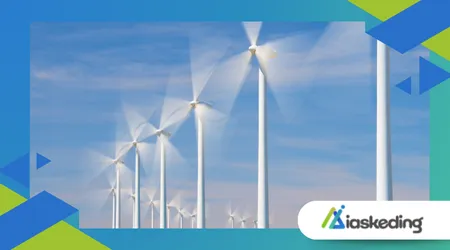
The most visible change in wind energy is the sheer scale of the turbines.
Blades are growing longer, towers are getting taller, and the power output of individual units is skyrocketing.
These aren’t just bigger versions of what came before; they are engineering marvels.
Researchers are developing smarter blade designs that can adapt their shape in real-time to changing wind conditions, much like a bird adjusts its wings in flight.
This active aerodynamics will maximize energy capture while reducing stress on the turbine’s structure. Materials are also evolving.
Lighter, stronger composites and even recycled materials are being incorporated to create more sustainable and durable components.
One of the most exciting innovations is the development of bladeless turbines and airborne wind energy systems.
Picture a massive, automated kite tethered to the ground, soaring thousands of feet high where winds are stronger and more consistent.
++Can You Ride an Electric Motorcycle in the Rain?
This concept, known as Airborne Wind Energy (AWE), could unlock vast, untapped resources, particularly in regions where traditional wind farms are impractical.
While still in its early stages of commercialization, it represents a radical new approach to harnessing a resource that has no limits.
The Intelligent Wind Farm: AI, Data, and Predictive Maintenance
A turbine might be a physical machine, but its true power is increasingly in its digital brain.
Artificial intelligence and machine learning are revolutionizing the way wind farms operate.
Sophisticated AI models analyze gigabytes of data on everything from weather patterns and atmospheric pressure to the subtle vibrations within a turbine’s gearbox.
This predictive analysis allows operators to anticipate maintenance needs long before a component fails, dramatically reducing downtime and costly repairs.
It’s a shift from reactive to proactive management, ensuring turbines are spinning and generating revenue as much as possible.
Imagine an AI-driven system that can micro-adjust the pitch of each blade on a turbine every few seconds, optimizing its performance based on real-time data from an array of sensors.
This level of granular control is not a futuristic fantasy; it is being tested and implemented today.
++How Battery Storage Is Changing the Renewable Energy Game
Beyond the Grid: Storage and Integration
For The Future of Wind Energy to truly flourish, it must solve its primary challenge: intermittency. The wind doesn’t always blow when we need power.
This is where advanced energy storage solutions come into play. While lithium-ion batteries are a critical part of the puzzle, innovations in long-duration storage are gaining momentum.
Read more: Future Trends in the Wind Energy Industry in the Middle East
From pumped hydro to compressed air energy storage and even thermal storage systems, these solutions act as a buffer, ensuring a steady supply of clean energy regardless of wind conditions.
Another crucial trend is the increasing focus on creating “smart” wind farms that can interact seamlessly with the broader energy grid.
This involves sophisticated software that can predict energy supply and demand, allowing operators to sell power when prices are highest and store it when demand is low.
These smart grids, powered by wind, will be able to balance the energy needs of cities and industries in real time, making the entire system more resilient and efficient.
Consider the Hornsea 2 offshore wind farm in the UK.
As of early 2025, it remains one of the largest offshore wind farms in the world, capable of generating enough electricity to power over 1.3 million homes.
Its sheer scale and advanced technology demonstrate the immense potential of this energy source.
Offshore and Onward: The Expanding Frontier
The ocean is the next great frontier for wind energy. Offshore wind farms, built miles out at sea, are benefiting from stronger and more consistent winds than their onshore counterparts.
The scale of these projects is astounding, with turbines taller than skyscrapers and foundations anchored deep in the seabed.
The development of floating offshore wind technology is particularly exciting, as it will allow us to tap into the deep-water wind resources off the coasts of countries with limited shallow-water access.
As an analogy, think of the early days of aviation, when planes were limited to short, straight flights. Now, we have commercial aircraft that can fly across oceans.
Wind energy is on a similar trajectory, moving from near-shore, shallow-water installations to deep-sea, floating giants that can capture the immense power of the open ocean.
This is the new frontier of clean energy. The innovation required for floating platforms, subsea cables, and robust maintenance in harsh marine environments is pushing the boundaries of engineering.
In conclusion, The Future of Wind Energy is far more than just building more turbines. It’s about building smarter, more resilient, and more integrated energy systems.
The combination of larger, more efficient turbines, the power of AI and data, and the critical role of energy storage will make wind a foundational element of the global clean energy mix.
We’re not just harnessing the wind; we’re collaborating with it to build a more sustainable future. Can we afford to ignore the powerful momentum driving this change?
FAQ: The Future of Wind Energy
What is the role of AI in the future of wind energy?
AI is becoming central to wind energy, primarily by enabling predictive maintenance, optimizing turbine performance, and managing grid integration.
It analyzes vast datasets from sensors to predict equipment failures and fine-tune operations, making wind farms more efficient and reliable.
How do innovations in energy storage benefit wind power?
Energy storage solves the intermittency problem of wind power.
By storing excess energy generated on windy days, it ensures a consistent supply of electricity even when the wind isn’t blowing, making wind energy a more reliable and dispatchable power source.
What is floating offshore wind technology?
Floating offshore wind technology involves building wind turbines on floating platforms anchored to the seabed with mooring lines.
This allows for the installation of wind farms in deep waters, where traditional bottom-fixed foundations are not feasible, opening up vast new wind resources globally.
