
Why Electric Cars Are the Future of Sustainable Transportation
The world is changing fast, and so is the way we move around. Electric cars are leading the charge towards sustainable mobility. These zero-emission vehicles are not just a trend; they’re reshaping our roads and our future.
Clean energy transportation is no longer a distant dream. It’s here, and it’s electric. From bustling cities to quiet suburbs, more people are choosing electric vehicles for their daily commutes and long drives.
Electric cars offer a smart solution to our environmental challenges. They help cut down on harmful emissions and improve the air we breathe. As we look ahead, it’s clear that sustainable transportation will play a big role in creating a greener world for all of us.
The Environmental Impact of Electric Vehicles
Electric vehicles (EVs) are driving a revolution in sustainable transportation. Their impact on carbon footprint reduction is significant compared to traditional gas-powered cars. EVs produce zero tailpipe emissions, leading to substantial air quality improvement in urban areas.
The environmental benefits of EVs extend beyond just driving. Studies show that even when accounting for battery production, EVs have a lower overall carbon footprint. This is particularly true in regions with clean electricity grids.
Let’s look at the greenhouse gas emissions comparison between EVs and conventional vehicles:
| Vehicle Type | Lifetime CO2 Emissions (tons) | Annual CO2 Emissions (tons) |
|---|---|---|
| Electric Vehicle | 28 | 1.9 |
| Gasoline Vehicle | 66 | 4.6 |
The lifecycle environmental impact of EVs includes battery production and disposal. While these processes do have environmental costs, ongoing technological advancements are making batteries more efficient and recyclable.
“Electric vehicles are not just the future, they are the present. Their positive impact on our environment is undeniable and growing with each passing year.”
As more countries shift towards renewable energy sources, the environmental benefits of EVs will continue to increase, solidifying their role in our sustainable future.
Electric Cars Sustainable Future: The Technology Revolution
The electric vehicle revolution is in full swing, driven by rapid battery technology advancements. Today’s EVs boast increased range and faster charging times, making them more practical for everyday use. Gone are the days of range anxiety, with many models now offering 300+ miles on a single charge.

Autonomous driving is another game-changing technology shaping the future of EVs. Self-driving cars promise to reduce accidents, ease traffic congestion, and provide mobility solutions for those unable to drive. As these systems evolve, we can expect safer, more efficient transportation for all.
Smart grid integration is revolutionizing how we think about energy management. EVs are becoming active participants in the power grid, not just consumers. Through vehicle-to-grid technology, cars can store excess energy and feed it back to the grid during peak demand, creating a more stable and efficient energy ecosystem.
“Electric vehicles are not just about transportation; they’re about reimagining our entire energy infrastructure.”
These technological breakthroughs are paving the way for a more sustainable and efficient transportation future. As we continue to innovate, electric cars will play an increasingly vital role in reducing our carbon footprint and creating a cleaner world for generations to come.
Economic Benefits of Electric Vehicle Adoption
Electric vehicles (EVs) bring significant economic advantages to both individuals and society. The shift to EVs offers lower operating costs compared to traditional gas-powered cars. EV owners save money on fuel and maintenance, as electric motors have fewer moving parts and require less upkeep.
Government incentives play a crucial role in promoting EV adoption. Many countries offer tax credits, rebates, and other financial perks to make EVs more affordable. These incentives help offset the initial higher purchase price of electric cars, making them a more attractive option for consumers.
The growing EV industry is a powerful engine for job creation. As demand for electric vehicles increases, new employment opportunities emerge in manufacturing, engineering, and infrastructure development. The EV sector is creating jobs across various skill levels, from assembly line workers to high-tech engineers.
| Economic Benefit | Impact |
|---|---|
| Lower Operating Costs | Reduced fuel and maintenance expenses |
| Government Incentives | Tax credits and rebates to offset purchase price |
| Job Creation | New employment opportunities in EV industry |
The long-term economic benefits of reducing dependence on fossil fuels are substantial. As countries transition to cleaner energy sources, they become less vulnerable to oil price fluctuations and geopolitical tensions. This shift towards energy independence strengthens national economies and promotes sustainable growth.
“The economic advantages of electric vehicles extend far beyond individual savings, fostering innovation and creating a more resilient, sustainable economy for future generations.”
Infrastructure Development and Charging Solutions
The growth of electric vehicles hinges on a robust charging stations network. Cities worldwide are expanding their infrastructure to meet rising demand. Fast-charging technology is evolving rapidly, cutting charging times dramatically. A 350 kW charger can now add 200 miles of range in just 15 minutes.
Urban planners are integrating charging points into new developments. Streetlights double as charging stations in some areas, maximizing existing infrastructure. Home charging solutions are becoming more affordable and efficient. Many homeowners install Level 2 chargers, providing a full charge overnight.
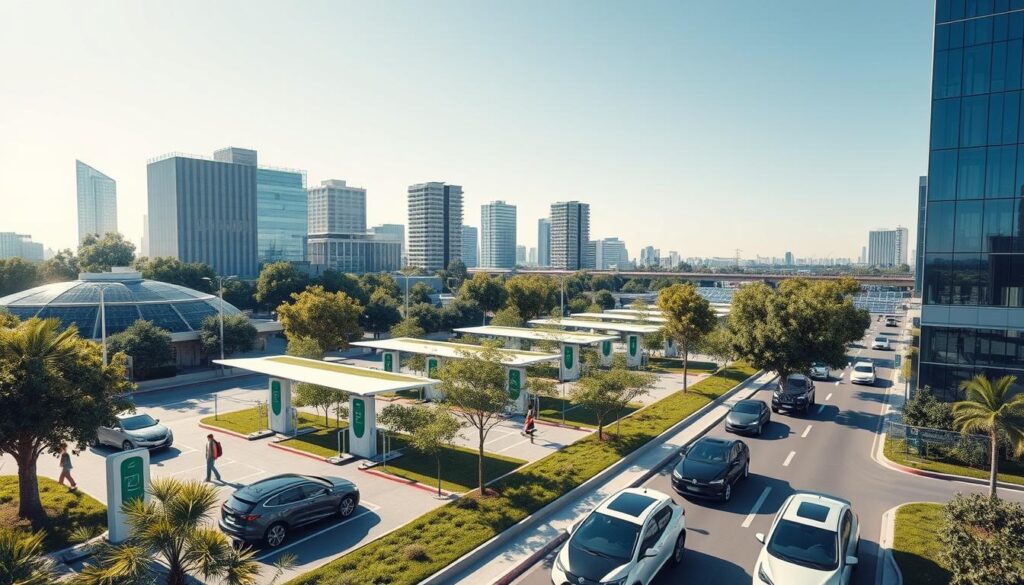
Businesses play a crucial role in expanding charging access. Retailers offer free charging to attract customers, while workplaces provide charging as an employee perk. Governments incentivize infrastructure development through grants and tax breaks.
| Charging Type | Power Output | Charging Time (0-80%) | Typical Location |
|---|---|---|---|
| Level 1 (AC) | 1.4 kW | 20-40 hours | Home |
| Level 2 (AC) | 7-22 kW | 4-8 hours | Home, Workplace |
| DC Fast Charging | 50-350 kW | 20-60 minutes | Public Stations |
As technology advances, we can expect even faster charging times and more convenient solutions. The future of EV infrastructure looks bright, making electric vehicles an increasingly practical choice for drivers worldwide.
Performance and Innovation in Modern EVs
Modern electric vehicles are redefining automotive performance. Gone are the days when EVs were seen as slow and impractical. Today’s electric cars boast impressive acceleration, handling, and range that rival their gas-powered counterparts.
Electric vehicle performance has made significant strides. Many EVs can now accelerate from 0 to 60 mph in under 3 seconds, outpacing high-end sports cars. This rapid acceleration is due to the instant torque delivery of electric motors.
Range anxiety, once a major concern, is becoming less of an issue. Cutting-edge EV designs now offer ranges exceeding 300 miles on a single charge. This improvement is largely due to advancements in battery technology and more efficient powertrains.
“Electric vehicles are not just matching traditional cars in performance; they’re surpassing them in many aspects.”
Innovation in the EV space is moving at breakneck speed. We’re seeing cutting-edge EV designs that blend aerodynamics with futuristic aesthetics. These designs not only look striking but also contribute to improved efficiency and range.
| Feature | Impact on EV Performance |
|---|---|
| Advanced Battery Technology | Increased range, faster charging |
| Regenerative Braking | Energy recovery, extended range |
| Lightweight Materials | Improved efficiency, better handling |
| Smart Power Management | Optimized energy use, reduced range anxiety |
As electric vehicle performance continues to improve, we can expect to see even more impressive innovations in the coming years. From ultra-fast charging capabilities to autonomous driving features, the future of EVs looks bright and exciting.
Conclusion
Electric cars are driving us toward a sustainable transportation future. They offer a cleaner alternative to traditional vehicles, reducing our carbon footprint and paving the way for a greener planet. As battery technology improves and costs decrease, EVs are becoming more accessible to a wider range of consumers.
The electric mobility revolution is reshaping our cities and highways. With growing charging infrastructure and innovative designs, EVs are no longer just a novelty but a practical choice for daily commutes and long-distance travel. Their performance and range continue to impress, rivaling and often surpassing conventional cars.
As we embrace the clean energy transition, electric vehicles play a crucial role. They support renewable energy integration and help reduce our dependence on fossil fuels. While EVs are not without challenges, as discussed in this article about the complex truth of electric, they represent a significant step towards a more sustainable future.
By choosing electric cars, we’re not just changing how we drive – we’re driving change for our planet. As technology advances and adoption grows, electric vehicles will continue to shape the future of transportation, making our journeys cleaner, quieter, and more efficient.
FAQ
What are the main environmental benefits of electric cars?
How do electric vehicles compare to traditional cars in terms of operating costs?
What advancements are being made in electric vehicle battery technology?
How is the charging infrastructure for electric vehicles developing?
Are electric vehicles as performant as traditional gasoline-powered cars?
What role do electric vehicles play in the future of sustainable transportation?
How do electric cars contribute to job creation and economic growth?
