
Energy Storage Systems for a Sustainable Future
The world is moving towards clean energy solutions at a rapid pace. As we shift to renewable energy sources, the need for efficient energy storage becomes crucial. These systems are the key to unlocking a sustainable power future.
Energy storage technologies are changing how we use and manage power. They help balance the grid, making renewable energy more reliable. By storing excess energy for later use, these systems boost energy efficiency and reduce waste.
From batteries to thermal storage, new solutions are emerging. These innovations are vital for creating a greener, more sustainable world. As we explore these technologies, we’ll see how they’re shaping our energy landscape for generations to come.
Understanding Modern Energy Storage Technologies
Energy storage plays a crucial role in our sustainable future. As we explore various options, battery technologies stand out as a versatile solution. These devices store electrical energy in chemical form, ready for use when needed. From small gadgets to large-scale grid applications, batteries power our world.
Pumped hydro storage offers a different approach. This method uses gravity to store energy. Water is pumped to a higher elevation when electricity is abundant. When demand rises, the water flows down through turbines, generating power. It’s like a giant water battery for the grid.
Thermal energy storage captures heat for later use. This can be as simple as a hot water tank or as complex as molten salt in solar power plants. It helps balance energy supply and demand, especially in heating and cooling systems.
Compressed air energy storage is another innovative solution. It uses excess electricity to compress air into underground caverns. When power is needed, the air is released to drive turbines. This method can store large amounts of energy for extended periods.
| Technology | Efficiency | Capacity | Response Time |
|---|---|---|---|
| Battery Technologies | 70-95% | kWh to MWh | Milliseconds |
| Pumped Hydro Storage | 70-85% | GWh | Minutes |
| Thermal Energy Storage | 50-90% | MWh | Hours |
| Compressed Air Energy Storage | 40-70% | GWh | Minutes |
Each technology has its strengths, making them suitable for different applications. As we progress, combining these methods will create robust and flexible energy storage systems for our changing world.
Energy Storage Sustainability: Environmental Impact and Benefits
Energy storage systems play a crucial role in shaping a sustainable future. These technologies contribute significantly to carbon footprint reduction and renewable integration. By storing excess energy during peak production periods, they enable a smoother transition to cleaner power sources.
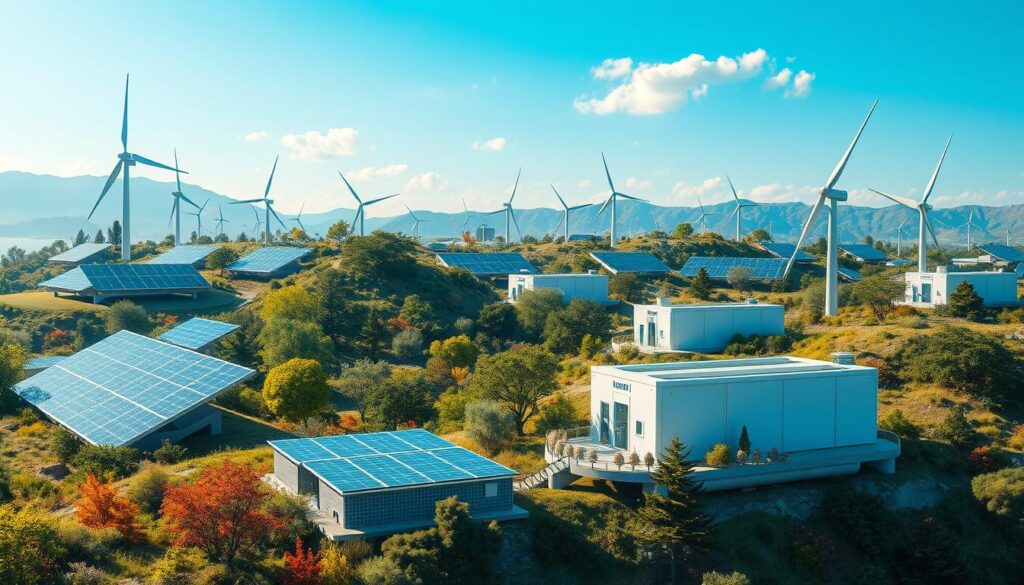
The environmental benefits of energy storage are substantial. They facilitate grid stabilization by balancing supply and demand, reducing the need for fossil fuel-powered plants to meet peak loads. This results in decreased greenhouse gas emissions and improved air quality.
Energy independence is another key advantage of storage systems. They allow communities to rely less on centralized power grids, enhancing resilience during outages and natural disasters. This decentralization also promotes local energy production and consumption, reducing transmission losses.
“Energy storage is the missing link in the renewable energy puzzle, enabling us to harness clean power 24/7.”
The sustainability impact of energy storage extends beyond electricity. These systems support the electrification of transportation, heating, and industrial processes. By providing a reliable power source for electric vehicles and renewable-powered manufacturing, they accelerate the transition to a low-carbon economy.
- Reduces reliance on fossil fuels
- Supports integration of intermittent renewable sources
- Enhances grid reliability and efficiency
- Enables energy self-sufficiency for communities
As technology advances, the environmental footprint of storage systems themselves is decreasing. Innovations in recycling and circular economy practices are making batteries and other storage components more sustainable throughout their lifecycle.
Grid Integration and Smart Energy Management
Smart grids are revolutionizing energy distribution. These advanced systems use digital technology to optimize power flow, reduce waste, and improve reliability. By integrating energy storage systems, smart grids can balance supply and demand more effectively.
Demand response programs play a crucial role in smart energy management. These initiatives encourage consumers to adjust their electricity usage during peak times. This helps utilities manage grid stress and avoid power outages.
Load balancing is another key strategy in grid management. It involves distributing electricity evenly across the network to prevent overloads. Energy storage systems support load balancing by storing excess power and releasing it when needed.
Peak shaving is a technique used to reduce electricity use during high-demand periods. By shifting energy consumption to off-peak hours, utilities can avoid costly infrastructure upgrades and maintain grid stability.
| Strategy | Benefits | Challenges |
|---|---|---|
| Demand Response | Reduced peak loads, lower energy costs | Consumer participation, technology adoption |
| Load Balancing | Improved grid stability, efficient power distribution | Complex algorithms, real-time data management |
| Peak Shaving | Avoided infrastructure costs, smoother demand curve | Energy storage requirements, consumer behavior change |
The integration of these strategies with energy storage systems creates a more flexible and resilient power grid. This synergy paves the way for a cleaner, more efficient energy future.
Residential and Commercial Applications
Energy storage systems are revolutionizing how we power our homes and businesses. Home energy storage solutions allow homeowners to store excess solar power for nighttime use. This cuts electricity bills and provides backup during outages.
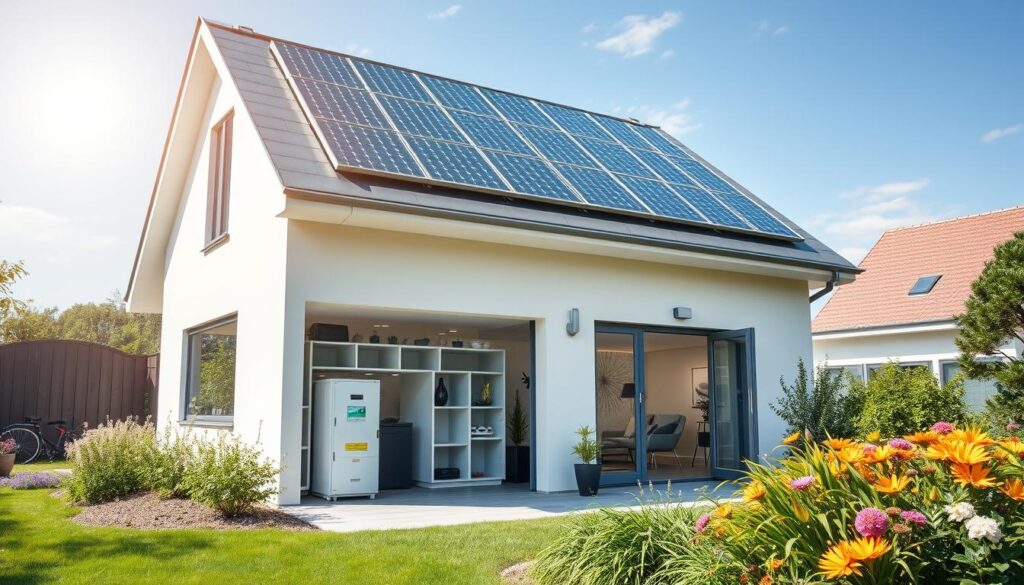
Commercial energy solutions offer similar benefits on a larger scale. Businesses can reduce peak demand charges and ensure uninterrupted operations. Battery energy storage systems are transforming the energy sector by storing electricity from renewable sources like solar and wind.
Off-grid systems take energy independence to the next level. They combine solar panels, batteries, and generators to power remote locations without utility connections. This opens up new possibilities for rural development and eco-tourism.
Microgrids represent the future of localized power distribution. These small-scale networks can operate independently or in conjunction with the main grid. They improve reliability and enable communities to maximize renewable energy use.
| Application | Key Benefits | Typical Components |
|---|---|---|
| Home Energy Storage | Lower bills, backup power | Lithium-ion battery, inverter |
| Commercial Solutions | Demand charge reduction, resilience | Large-scale batteries, energy management system |
| Off-Grid Systems | Energy independence, remote power | Solar panels, batteries, backup generator |
| Microgrids | Local control, grid stability | Renewable sources, storage, smart controls |
As technology advances, these applications will become more affordable and widespread. This shift promises a more sustainable and resilient energy future for homes and businesses alike.
Future Innovations in Energy Storage
The energy storage landscape is evolving rapidly, with groundbreaking technologies paving the way for a sustainable future. Solid-state batteries are at the forefront of this revolution, promising higher energy density and improved safety compared to traditional lithium-ion batteries.
Flow batteries are gaining traction for grid-scale applications. These systems store energy in liquid electrolytes, allowing for easy scalability and long-duration storage. Researchers are exploring new materials to enhance their efficiency and reduce costs.
Hydrogen storage is emerging as a versatile solution for both stationary and mobile applications. Advanced materials like metal-organic frameworks are being developed to increase hydrogen storage capacity and safety.
- Solid-state batteries: Higher energy density, improved safety
- Flow batteries: Scalable, long-duration storage
- Hydrogen storage: Versatile for stationary and mobile use
- Advanced materials: Enhancing efficiency across technologies
The quest for better energy storage is driving innovation in advanced materials. Scientists are exploring nanostructured electrodes, novel electrolytes, and composite materials to boost performance and longevity of various storage technologies.
“The future of energy storage lies in the synergy between cutting-edge materials science and innovative system designs.”
As these technologies mature, we can expect a diverse ecosystem of energy storage solutions tailored to specific applications, from grid stabilization to electric vehicles and beyond.
Conclusion
Energy storage systems are the backbone of a sustainable energy future. These technologies play a vital role in the ongoing energy transition, supporting the shift towards cleaner power sources. By enabling better integration of renewable energy, storage solutions contribute significantly to climate change mitigation efforts.
The evolution of energy storage technologies has brought about remarkable improvements in efficiency, cost-effectiveness, and environmental performance. From advanced batteries to innovative thermal storage systems, these solutions are reshaping our energy landscape. They’re not just enhancing grid stability; they’re also empowering consumers to take control of their energy use.
As we look ahead, the importance of energy resilience cannot be overstated. Sustainable energy storage is key to building a robust, flexible power system capable of withstanding future challenges. By continuing to invest in research and development, we can unlock even more potential in these technologies, paving the way for a cleaner, greener tomorrow.
In conclusion, energy storage sustainability is more than just a buzzword – it’s a crucial component of our path towards a low-carbon future. As we embrace these innovations, we move closer to realizing a world powered by clean, reliable, and accessible energy for all.
FAQ
What are energy storage systems?
How do energy storage systems contribute to sustainability?
What are some common types of energy storage technologies?
How do energy storage systems benefit the power grid?
Can energy storage systems be used in homes?
What is the role of energy storage in microgrids?
What are some emerging technologies in energy storage?
How does energy storage contribute to climate change mitigation?
