
How Electric Cars Work: A Beginner’s Guide to EV Technology
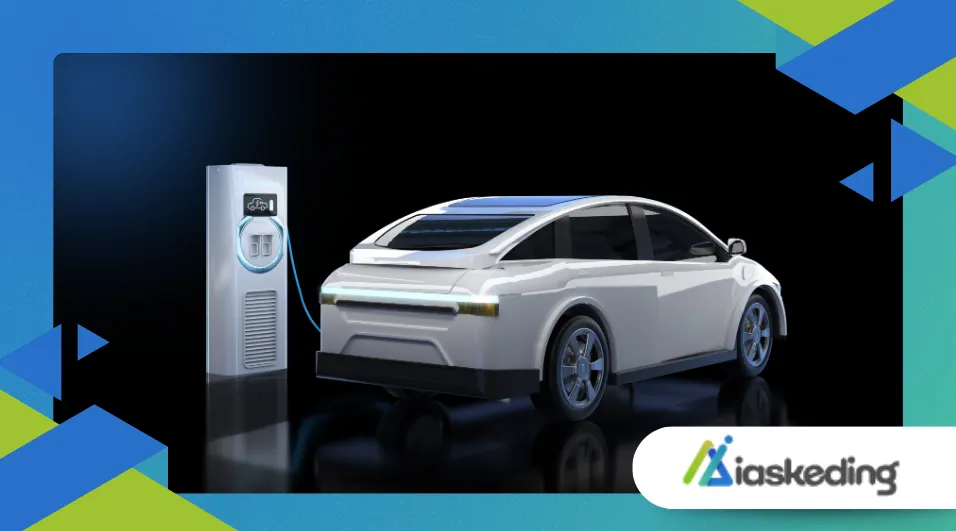
Electric cars work by harnessing the power of electricity to propel vehicles without the need for internal combustion engines.
As the world shifts toward sustainable transportation, understanding how these innovative machines operate is essential.
This guide will break down the technology behind electric vehicles (EVs), explore their key components, and explain why they’re revolutionizing the automotive industry.
The transition to electric vehicles is not just a trend; it’s a fundamental shift in how we think about transportation and energy consumption.
As more consumers become aware of the environmental benefits and long-term savings associated with EVs, the demand for these vehicles continues to rise.
The Basics of Electric Car Technology
Unlike traditional gasoline-powered cars, electric cars work by converting electrical energy stored in batteries into mechanical energy.
This process eliminates tailpipe emissions, making EVs a cleaner alternative for the environment.
At the heart of every electric vehicle is an electric motor, which replaces the internal combustion engine.
The electric motor is powered by a high-capacity battery pack, typically lithium-ion, which stores energy and delivers it to the motor as needed.
This setup not only reduces reliance on fossil fuels but also simplifies the mechanical structure of the vehicle.
Fewer moving parts mean lower maintenance costs and fewer chances of mechanical failure.
Moreover, electric vehicles benefit from regenerative braking, which recycles energy that would otherwise be lost during braking.
This feature enhances the overall efficiency of the vehicle and extends the range between charges.
Key Components of an Electric Car
To truly grasp how electric cars work, let’s dive into their core components:
1. Battery Pack
The battery pack is the lifeblood of an electric car.
It stores the electricity needed to power the vehicle.
Modern EVs use lithium-ion batteries due to their high energy density, long lifespan, and relatively fast charging capabilities.
| Battery Type | Energy Density (Wh/kg) | Lifespan (Cycles) |
|---|---|---|
| Lithium-Ion | 150-250 | 1,000-2,000 |
| Nickel-Metal Hydride | 60-120 | 500-1,000 |
| Lead-Acid | 30-50 | 200-300 |
As battery technology advances, we can expect improvements in energy density and charging speed, making electric vehicles even more practical.
Research into alternative battery chemistries, such as solid-state batteries, is also underway, which could revolutionize the industry.
+ Electric Cars vs. Gas Cars: Which Is Better for the Environment and Your Wallet?
2. Electric Motor
The electric motor converts electrical energy into mechanical energy, driving the wheels.
There are two main types of motors used in EVs: AC (alternating current) and DC (direct current).
AC motors are more common due to their efficiency and ability to handle higher power outputs.
In addition to performance, electric motors are designed to be lightweight and compact, which contributes to the overall efficiency of the vehicle.
The quiet operation of electric motors also enhances the driving experience, providing a serene environment for passengers.
3. Power Electronics Controller
This component acts as the brain of the electric car, managing the flow of electricity between the battery and the motor.
It ensures the motor receives the right amount of power based on driving conditions.
Advanced power electronics also play a crucial role in optimizing energy consumption, allowing for smoother acceleration and deceleration.
As technology progresses, these controllers are becoming more sophisticated, improving the efficiency and responsiveness of electric vehicles.
4. Charging System
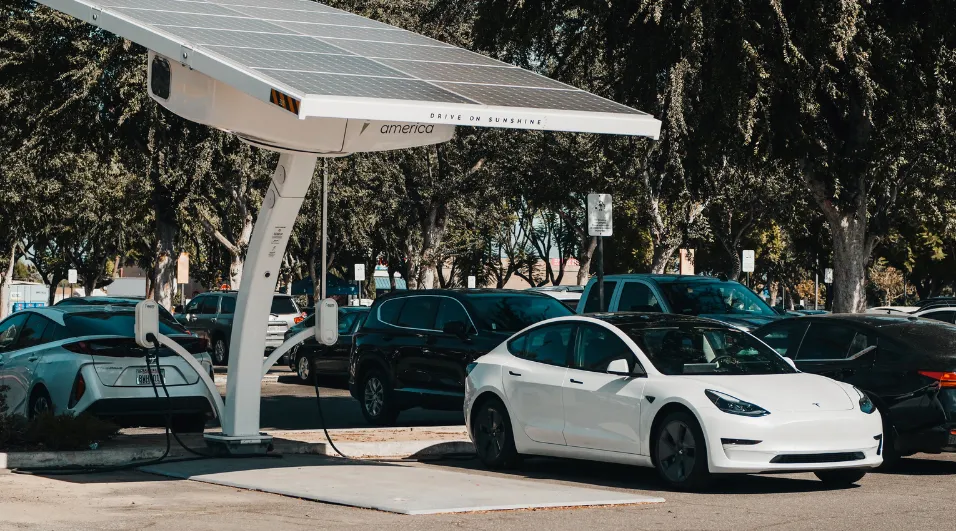
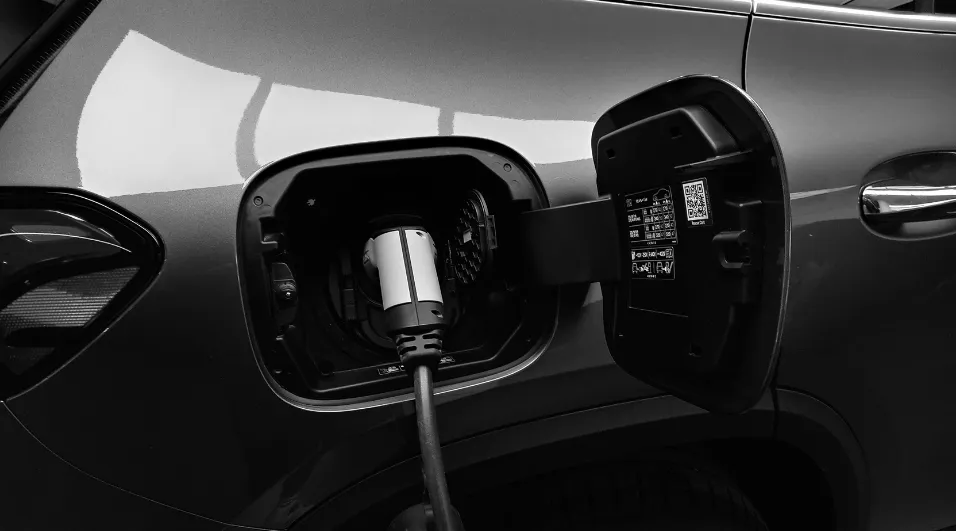
EVs can be charged using standard household outlets, dedicated home chargers, or public fast-charging stations.
The charging system converts AC power from the grid into DC power to recharge the battery.
The convenience of charging at home or at work makes electric vehicles an appealing option for many drivers.
With the expansion of charging networks, the accessibility of charging stations is improving, alleviating concerns about range anxiety.
How Electric Cars Work: The Driving Experience
One of the most striking differences between electric cars and traditional vehicles is the driving experience.
Electric cars work seamlessly, delivering instant torque and smooth acceleration.
Unlike gasoline engines, which require time to reach optimal performance, electric motors provide maximum power from the moment you press the pedal.
This instant response not only makes EVs fun to drive but also enhances safety by improving acceleration in critical situations.
Additionally, regenerative braking—a feature in most electric cars—captures energy during deceleration and feeds it back into the battery, increasing efficiency.
The driving experience is further enhanced by advanced technology features, such as adaptive cruise control and lane-keeping assistance, which are often integrated into electric vehicles.
These innovations not only improve comfort but also contribute to safer driving.
++ Top 8 Electric Cars to Watch in 2025: Performance, Range, and Price
Environmental Impact and Efficiency
Electric cars work in harmony with the environment by producing zero tailpipe emissions.
According to the International Energy Agency (IEA), EVs emit 50% less greenhouse gases over their lifetime compared to conventional cars, even when accounting for electricity generation.
However, the environmental benefits of electric cars depend on the energy sources used to generate electricity.
In regions where renewable energy dominates the grid, EVs are significantly cleaner.
For example, in Norway, where 98% of electricity comes from hydropower, electric cars have a minimal carbon footprint.
As more countries invest in renewable energy infrastructure, the overall sustainability of electric vehicles will continue to improve.
This shift not only benefits the environment but also enhances energy security by reducing dependence on fossil fuels.
Charging Infrastructure: The Backbone of EV Adoption
For electric cars to work effectively, a robust charging infrastructure is essential.
The availability of charging stations plays a crucial role in alleviating range anxiety—the fear of running out of battery power before reaching a charging point.
| Charging Level | Power Output | Charging Time (0-80%) |
|---|---|---|
| Level 1 (Home) | 1-2 kW | 8-20 hours |
| Level 2 (Public) | 7-22 kW | 4-8 hours |
| DC Fast Charging | 50-350 kW | 20-40 minutes |
Public and private investments are rapidly expanding charging networks, making it easier for EV owners to recharge on the go.
Companies like Tesla, Electrify America, and ChargePoint are leading the charge, literally and figuratively.
Moreover, advancements in charging technology, such as wireless charging, are being explored to further enhance the convenience of recharging electric vehicles.
As charging infrastructure continues to grow, it will play a pivotal role in the widespread adoption of electric cars.
The Future of Electric Cars
The technology behind how electric cars work is constantly evolving.
Advances in battery technology, such as solid-state batteries, promise even greater energy density and faster charging times.
Autonomous driving features are also being integrated into EVs, paving the way for a future where cars are not only electric but also self-driving.
Governments worldwide are supporting this transition through incentives and regulations.
For instance, the European Union plans to ban the sale of new gasoline and diesel cars by 2035, accelerating the adoption of electric vehicles.
As the market for electric cars expands, manufacturers are also focusing on producing more affordable models to appeal to a wider audience.
This will further drive the transition to electric mobility and contribute to a more sustainable future.
Common Misconceptions About Electric Cars
Despite their growing popularity, several myths surround electric cars.
Let’s debunk a few:
- Myth: EVs Have Limited Range
While early models struggled with range, modern electric cars can travel over 300 miles on a single charge.
The Tesla Model S Long Range, for example, boasts a range of 405 miles.
- Myth: Charging Takes Too Long
With fast-charging technology, EVs can recharge to 80% in under 30 minutes.
Home charging overnight also ensures your car is ready to go each morning.
- Myth: EVs Are More Expensive
Although the upfront cost of electric cars is higher, lower maintenance and fuel costs make them more economical in the long run.
Education and awareness campaigns can help dispel these myths and encourage more people to consider electric vehicles.
By providing accurate information, we can foster a greater understanding of the benefits of EVs.
Why Electric Cars Are the Future
Electric cars work not just as vehicles but as symbols of a cleaner, more sustainable future.
They represent a shift away from fossil fuels and toward renewable energy, reducing our carbon footprint and combating climate change.
As battery costs continue to decline and charging infrastructure expands, electric vehicles will become accessible to a broader audience.
By 2030, it’s estimated that 60% of new car sales globally could be electric, according to BloombergNEF.
This transformation is not just about personal vehicles; it also extends to public transportation and commercial fleets, which are increasingly adopting electric solutions.
As cities invest in electric buses and delivery vans, the overall impact on emissions and air quality will be significant.
Conclusion
Understanding how electric cars work is the first step toward embracing the future of transportation.
From their efficient electric motors to their environmentally friendly operation, EVs are redefining what it means to drive.
As technology advances and infrastructure improves, electric cars will play a pivotal role in creating a sustainable world.
Whether you’re a tech enthusiast or an eco-conscious driver, the era of electric vehicles is here to stay.
The question isn’t if you’ll switch to an EV—it’s when.
