
Top 8 Electric Cars to Watch in 2025: Performance, Range, and Price
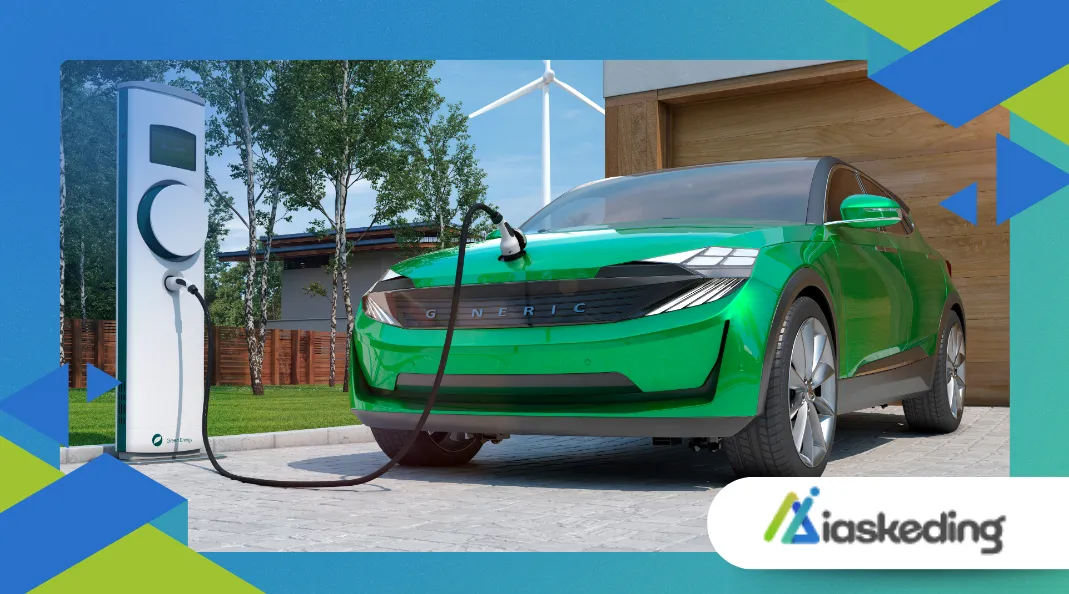
In this article, we’ll explore the most exciting electric cars to watch in 2025, highlighting their innovations, performance, and potential impact on the market.
With advancements in battery technology, charging infrastructure, and autonomous driving, the next generation of electric vehicles (EVs) promises to redefine how we think about transportation.
The Rise of Electric Vehicles: A Global Transformation
The transition to electric vehicles is no longer a distant dream but a tangible reality.
According to the International Energy Agency (IEA), global EV sales surpassed 10 million units in 2022, and this number is expected to triple by 2025.
Governments worldwide are pushing for stricter emissions regulations, while automakers are investing billions in electrification.
The result? A flood of cutting-edge electric cars to watch in 2025 that cater to every segment, from luxury sedans to rugged SUVs.
Moreover, the growing awareness of climate change is driving consumers to seek more sustainable transportation options.
As a result, automakers are not only focusing on electric powertrains but also on sustainable materials and manufacturing processes.
This holistic approach to sustainability will likely resonate with eco-conscious buyers, further accelerating the shift to electric mobility.
1. Tesla Model 2: The Affordable Game-Changer
Tesla has long been the poster child for electric vehicles, and its rumored Model 2 could be its most impactful release yet.
Slated for a 2025 debut, this compact EV is expected to start at around $25,000, making it accessible to a broader audience.
With Tesla’s signature Autopilot system and a range of over 300 miles, the Model 2 could democratize electric mobility.
Why It Matters:
- Affordable pricing could accelerate mass adoption.
- Tesla’s Supercharger network ensures convenience.
- Potential to disrupt the compact car market.
Additionally, the Model 2 is expected to feature Tesla’s advanced software capabilities, including over-the-air updates that enhance performance and add new features over time.
This adaptability is a significant advantage for Tesla, as it keeps vehicles current without the need for physical upgrades.
As more consumers embrace electric vehicles, the Model 2 could set a new standard for affordability and technology in the EV market.
+ Electric or plug-in hybrid car: which is more worth it?
2. BMW iX5 Hydrogen: The Hydrogen-Electric Hybrid
While most automakers are focusing on battery-electric vehicles, BMW is taking a different approach with the iX5 Hydrogen.
This SUV combines a hydrogen fuel cell with a battery-electric system, offering the best of both worlds.
With a refueling time of just 3-4 minutes and a range of over 300 miles, the iX5 Hydrogen could appeal to drivers who value speed and flexibility.
Why It Stands Out:
- Hydrogen technology addresses range anxiety.
- Zero emissions without relying solely on batteries.
- A bold step toward diversifying clean energy solutions.
Furthermore, the iX5 Hydrogen represents a significant investment in alternative fuels, which could play a crucial role in achieving global carbon reduction goals.
As hydrogen infrastructure develops, vehicles like the iX5 could become increasingly viable, particularly in markets where charging infrastructure is still lacking.
3. Rivian R2: The Adventurer’s Dream
Rivian has already made waves with its R1T pickup and R1S SUV, but the R2 is set to take things to the next level.
Designed for outdoor enthusiasts, this midsize SUV will feature rugged off-road capabilities, a sleek design, and a range of over 350 miles.
With a price point expected to undercut its larger siblings, the R2 could become a favorite among adventure seekers.
Key Features:
- Off-road prowess with advanced suspension.
- Spacious interior with sustainable materials.
- Competitive pricing for its segment.
Moreover, Rivian is committed to building a community of outdoor enthusiasts, aiming to create a lifestyle brand around its vehicles.
This strategy could foster brand loyalty and encourage more consumers to choose electric options for their adventures.
As Rivian continues to innovate, it will likely attract a dedicated following among eco-conscious adventurers.
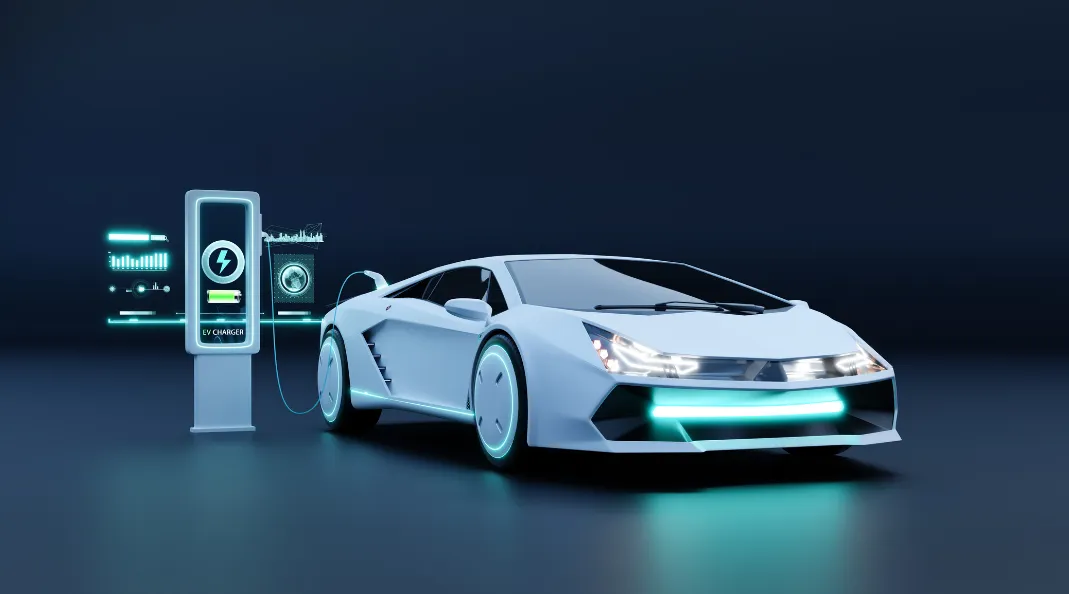
4. Lucid Air Pure: Luxury Meets Efficiency
Lucid Motors has redefined luxury EVs with its Air sedan, and the Air Pure variant aims to bring that sophistication to a wider audience.
With a starting price of around $77,400, the Air Pure offers a range of 410 miles, making it one of the most efficient electric cars to watch in 2025.
Its minimalist design and cutting-edge technology make it a strong contender in the luxury market.
What Makes It Special:
- Industry-leading range for its price.
- Spacious interior with premium finishes.
- Advanced driver-assistance systems.
Additionally, Lucid’s commitment to performance is evident in the Air Pure’s acceleration capabilities, rivaling some of the most prestigious brands in the automotive industry.
This combination of luxury and performance could attract buyers looking for a high-end electric vehicle that doesn’t compromise on speed or comfort.
For more information on luxury EVs, visit Car and Driver.
5. Ford F-150 Lightning Pro: Electrifying the Workhorse
The Ford F-150 Lightning has already proven that electric trucks can be both powerful and practical.
The Lightning Pro, aimed at commercial buyers, takes this a step further with enhanced towing capacity, onboard power generation, and a range of up to 320 miles.
By 2025, Ford plans to ramp up production, making the Lightning Pro a common sight on job sites.
Why It’s a Game-Changer:
- Combines utility with zero emissions.
- Built for durability and heavy-duty use.
- Appeals to both individual and fleet buyers.
Moreover, the F-150 Lightning Pro is expected to come equipped with advanced connectivity features that allow fleet managers to monitor performance and manage logistics efficiently.
This level of integration could make it an invaluable tool for businesses looking to transition to electric vehicles.
As Ford continues to innovate in the EV space, the Lightning Pro could set new standards for electric trucks in the commercial sector.
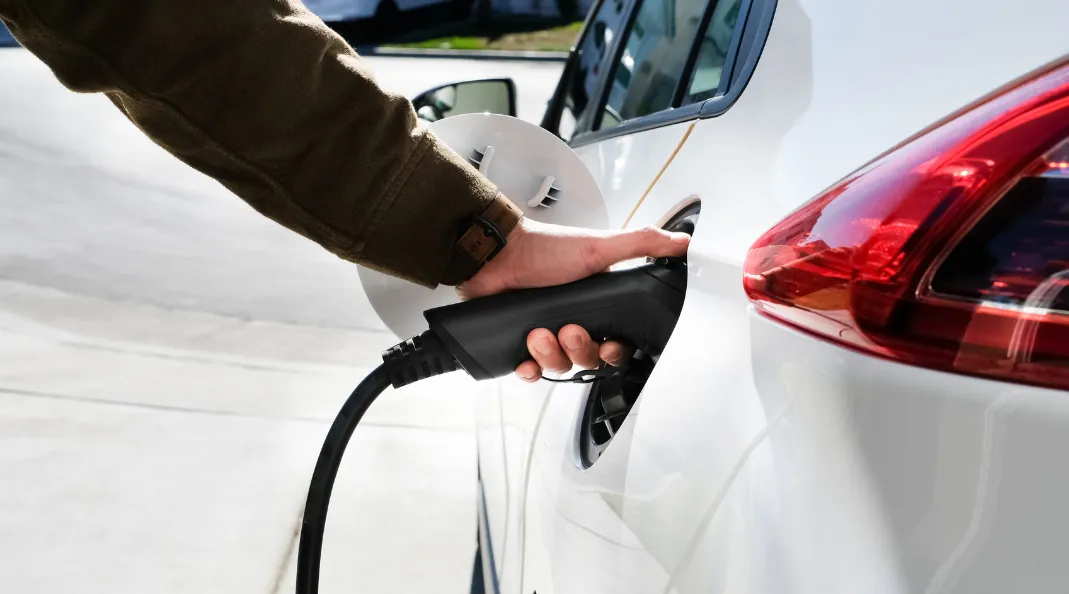
6. Hyundai Ioniq 7: The Family-Friendly SUV
Hyundai’s Ioniq lineup has been a hit, and the Ioniq 7 is poised to continue that success.
This three-row SUV will offer seating for up to seven passengers, a range of over 300 miles, and a host of family-friendly features.
With its sleek design and advanced safety systems, the Ioniq 7 could become the go-to choice for eco-conscious families.
Highlights:
- Spacious interior with versatile seating.
- Cutting-edge infotainment and safety tech.
- Competitive pricing in the three-row SUV segment.
Furthermore, Hyundai is focusing on integrating smart technology that enhances the driving experience for families, such as rear-seat entertainment systems and advanced driver-assistance features.
This attention to detail could make the Ioniq 7 a popular choice among parents looking for a safe and enjoyable ride for their children.
For updates on family-friendly EVs, check out MotorTrend.
7. Porsche Macan EV: Performance Redefined
Porsche is bringing its legendary performance to the electric era with the Macan EV.
This compact SUV will feature dual motors, all-wheel drive, and a range of over 300 miles.
With lightning-fast acceleration and Porsche’s signature handling, the Macan EV is set to redefine what an electric SUV can do.
Why It’s Exciting:
- Combines luxury with high performance.
- Porsche’s reputation for quality and innovation.
- A compelling option for performance enthusiasts.
Additionally, the Macan EV is expected to incorporate advanced aerodynamics and lightweight materials, enhancing its efficiency without sacrificing performance.
This focus on engineering excellence will likely appeal to driving enthusiasts who are hesitant about transitioning to electric vehicles.
As Porsche expands its electric lineup, the Macan EV could become a benchmark for performance in the EV market.
++ Electric Cars vs. Gas Cars: Which Is Better for the Environment and Your Wallet?
8. Nissan Ariya Nismo: Sporty and Stylish
Nissan is adding a sporty twist to its Ariya crossover with the Nismo variant.
Featuring a more powerful motor, aggressive styling, and enhanced handling, the Ariya Nismo is designed for drivers who want an electric car that’s as fun to drive as it is efficient.
What Sets It Apart:
- Sporty design and performance upgrades.
- Nissan’s reliability and affordability.
- A unique option in the crowded EV market.
Moreover, the Nismo branding signifies Nissan’s commitment to performance, which could attract a younger demographic looking for excitement in their electric vehicle.
As the automotive landscape shifts, sporty options like the Ariya Nismo will help broaden the appeal of electric cars.
The Road Ahead: Challenges and Opportunities
While the future of electric vehicles is bright, challenges remain.
Battery production, charging infrastructure, and supply chain issues could slow down the adoption of these electric cars to watch in 2025.
However, with continued investment and innovation, these hurdles are likely to be overcome.
Additionally, public perception and consumer education will play crucial roles in the widespread acceptance of electric vehicles.
As more people experience the benefits of EVs firsthand, the stigma surrounding them will likely diminish.
With a concerted effort from manufacturers and policymakers, the transition to electric mobility can be smoother and more efficient.
Table 1: Comparison of Key Features
| Model | Range (miles) | Starting Price | Key Feature |
|---|---|---|---|
| Tesla Model 2 | 300+ | $25,000 | Affordable, Autopilot |
| BMW iX5 Hydrogen | 300+ | $80,000 (est.) | Hydrogen fuel cell |
| Rivian R2 | 350+ | $60,000 (est.) | Off-road capability |
| Lucid Air Pure | 410 | $77,400 | Luxury, long-range |
| Ford F-150 Lightning | 320 | $55,000 | Commercial use, towing |
| Hyundai Ioniq 7 | 300+ | $50,000 (est.) | Family-friendly, three-row |
| Porsche Macan EV | 300+ | $80,000 (est.) | High performance |
| Nissan Ariya Nismo | 280 | $60,000 (est.) | Sporty design |
Table 2: Market Trends and Predictions
| Trend | 2023 Status | 2025 Projection |
|---|---|---|
| Global EV Sales | 10 million units | 30 million units |
| Average EV Range | 250 miles | 350 miles |
| Charging Stations Worldwide | 1.3 million | 3 million |
| Battery Cost per kWh | $150 | $100 |
Conclusion: The Electric Revolution is Just Beginning
The electric cars to watch in 2025 represent more than just technological advancements—they symbolize a shift toward a cleaner, more sustainable future.
From affordable models like the Tesla Model 2 to luxury options like the Lucid Air Pure, there’s something for everyone.
As the industry evolves, these vehicles will play a crucial role in shaping the future of mobility.
Whether you’re an early adopter or a skeptic, one thing is clear: the electric revolution is here to stay.
By 2025, the roads will look very different, and these electric cars to watch in 2025 will be at the forefront of that transformation.
