
Electric Car 800V Systems Reducing Charging Time Limits

The implementation of 800V Systems Reducing Charging Time Limits has fundamentally shifted the electric vehicle (EV) landscape in 2026, finally matching the refueling convenience of traditional internal combustion engines.
For years, “range anxiety” dominated consumer concerns, but the conversation has now pivoted toward “charging velocity” and thermal efficiency across the global automotive supply chain.
This article explores the engineering breakthroughs behind high-voltage architectures and their role in the mass adoption of sustainable transport.
We will analyze the transition from 400V legacy systems to the current industry standard, highlighting the impact on battery longevity and grid stability.
From silicon carbide inverters to ultra-fast charging stations, discover how this voltage doubling is rewriting the rules of the road. Get ready to dive into the technical heart of the modern electric revolution.
What is the 800V architecture in modern electric vehicles?
At its core, 800V Systems Reducing Charging Time Limits represent an electrical paradigm shift where the vehicle operates at double the standard 400V pressure used in early EVs.
This allows for significantly higher power throughput without increasing the current which, as any engineer will tell you, is the primary source of performance-killing heat.
By maintaining lower amperage while delivering massive wattage, these systems avoid the bottleneck of thermal throttling.
We can now push 320kW or more into a battery pack without melting the internal connectors or stressing the delicate cell chemistry beyond its limits.
There is something unsettling about how long the industry clung to lower voltages, effectively slowing down the transition to green energy.
This legacy delay is often misinterpreted as a battery limitation, when it was actually just a plumbing problem for electrons.
How does doubling voltage impact ultra-fast charging speeds?
The physics of 800V Systems Reducing Charging Time Limits are straightforward yet transformative for the average road trip.
When you double the voltage, you can essentially cut the charging time in half while using the same amount of copper wiring.
Drivers in 2026 can now achieve a 10% to 80% charge in roughly 15 minutes, a feat that previously took nearly an hour of staring at a gas station vending machine.
This rapid energy transfer isn’t just a luxury; it is crucial for commercial fleets that cannot afford long downtimes.
To explore the latest safety standards and high-voltage regulations in the automotive sector, the Society of Automotive Engineers (SAE) provides the most rigorous technical documentation available.
Their standards ensure that these high-velocity systems remain safe for public use, even in extreme weather conditions.
Why are silicon carbide inverters essential for 800V systems?
Standard silicon chips struggle with the heat and switching speeds required by 800V Systems Reducing Charging Time Limits, leading to the rise of Silicon Carbide (SiC) semiconductors.
These advanced materials handle higher temperatures while reducing energy loss during power conversion.
SiC inverters allow for smaller, more efficient drivetrains that squeeze every possible mile out of the battery pack.
Read more: Community battery banks: the new model preventing blackouts in coastal regions
This efficiency gain translates directly into longer range and faster acceleration, proving that high voltage benefits more than just the charging port.
Most consumers overlook the inverter, yet it is the brain that translates battery energy into wheel movement.
Without SiC technology, the move to 800V would simply be too heavy and too hot to be commercially viable for mainstream family sedans.
2026 EV Charging Performance Comparison
| Vehicle Model (2026) | System Voltage | Max Charge Rate | 10-80% Charge Time | Range Added (10 min) |
| Lucid Air Sapphire | 900V+ | 350 kW | 12-14 Mins | 200 Miles |
| Porsche Taycan Gen 3 | 800V | 320 kW | 15 Mins | 180 Miles |
| Hyundai Ioniq 7 | 800V | 240 kW | 18 Mins | 150 Miles |
| Tesla Model 3 (Highland+) | 400V / 800V Hybrid | 250 kW | 22-25 Mins | 120 Miles |
| Legacy Economy EV | 400V | 100 kW | 45-50 Mins | 55 Miles |
Which components benefit most from weight reduction?
One of the most elegant results of 800V Systems Reducing Charging Time Limits is the ability to use thinner internal wiring throughout the chassis.
Because higher voltage requires less current to move the same power, the copper cables can be significantly lighter.
In a massive SUV or a performance grand tourer, these weight savings can exceed 40 pounds of copper alone.
Read more: Why Fast Charging Efficiency Drops After 60% SOC: The Physics Behind Charging Curves Explained
This reduction improves the vehicle’s center of gravity and overall handling, making the car feel more agile and responsive to driver inputs than its 400V predecessors.
Automakers are leveraging these savings to add more sound dampening or safety features without increasing the total curb weight.
It is a rare “win-win” scenario in automotive engineering where performance and efficiency grow together in perfect harmony.
When will 800V systems become the universal industry standard?
While luxury brands led the charge, 2026 marks the year that 800V Systems Reducing Charging Time Limits began appearing in mid-range family crossovers and affordable hatchbacks.
The economies of scale have finally made high-voltage components accessible to the mass market.
Major manufacturers are now phasing out 400V platforms to simplify their assembly lines and future-proof their fleets.
By 2028, it is expected that almost all new electric vehicles sold in North America and Europe will utilize high-voltage architectures.
However, the transition requires a massive overhaul of the public charging grid to support these speeds.
Without a widespread network of 350kW chargers, the high-voltage capability of the car remains a dormant potential that the owner can rarely utilize outside of major highways.
How do high-voltage systems improve overall drivetrain efficiency?
Beyond the plug, 800V Systems Reducing Charging Time Limits enhance the way energy flows from the battery to the motors during high-speed cruising.
Lower current means less resistive heat is generated in the battery cells and the motor windings themselves.
This improved thermal profile allows the vehicle to maintain high speeds for longer periods without entering a “limp mode” to cool down.
It makes the modern EV a much more capable tool for the German Autobahn or the American interstate system.
The synergy between high voltage and advanced cooling loops ensures that the battery remains in its “Goldilocks” temperature zone.
This longevity is vital for the second-hand EV market, ensuring that batteries remain healthy well beyond their first decade of use.
Read more: Affordable EVs Under $25,000: Top Picks for Budget-Conscious Buyers in 2026
To stay updated on the infrastructure projects currently expanding the global high-speed charging network, the International Energy Agency (IEA) tracks the deployment of ultra-fast chargers worldwide.
Their reports demonstrate the direct link between high-voltage vehicle sales and the growth of 350kW+ public stations.
Embracing this technology is no longer an experimental choice for early adopters; it is the definitive path for the global automotive industry.
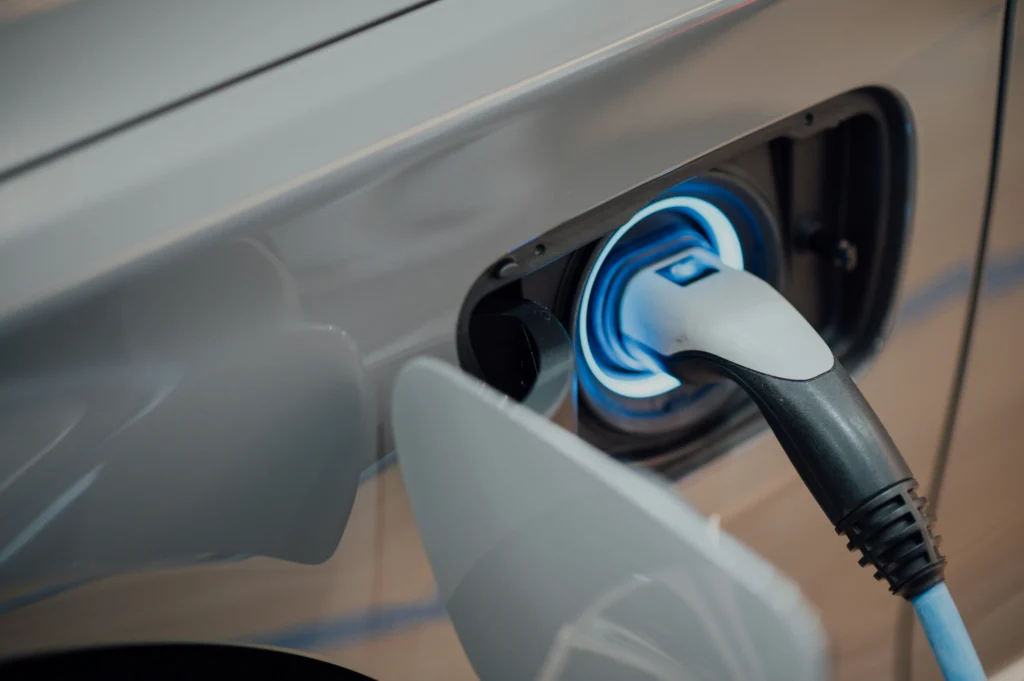
By doubling the voltage, we have finally removed the last major hurdle to universal electric mobility. The speed of the 15-minute charge has turned the EV into a true primary vehicle for every household.
As we look toward the 2030s, the 800V revolution will be remembered as the moment the gas station truly became a relic of the past.
FAQ: High-Voltage EV Systems in 2026
Can I charge an 800V car on a standard 400V charger?
Yes, most 800V vehicles are equipped with onboard DC-DC converters or motor-inverter trickery to step up the voltage. While you won’t get the maximum speed, the car will still charge safely on older public infrastructure.
Does 800V charging degrade the battery faster?
Actually, because the higher voltage allows for lower current, it creates less internal heat during the process. When paired with 2026 thermal management software, 800V charging is often gentler on the cells than high-amperage 400V charging.
Do I need a special charger installed at my home for 800V?
No, residential AC charging is limited by your home’s electrical panel, usually peaking at 7kW to 11kW. The 800V benefits are specifically for DC Fast Charging on long trips; your overnight home charging experience will remain largely the same.
Are 800V systems more dangerous in a collision?
Modern EVs use pyrotechnic fuses and automatic disconnects that sever the high-voltage lines in milliseconds during an impact. The safety systems in 2026 are more advanced than ever, ensuring that first responders can work safely around the vehicle.
Which brands are currently leading the 800V revolution?
Lucid, Porsche, and the Hyundai-Kia group were the pioneers, but we are now seeing widespread adoption from Audi, BMW, and even Tesla with the latest Cybertruck and refreshed flagship models utilizing high-voltage architectures.
