
How Charging Meter Rules Could Better Protect Electric Car Drivers
Charging Meter Rules Could Better Protect Electric Car Drivers by establishing strict accuracy standards, enforcing transparent real-time pricing displays, and eliminating hidden session markups across public charging networks.
As electric vehicle adoption expands worldwide, drivers encounter a fragmented public charging landscape often marred by unpredictable fees, uncalibrated submeters, and conversion losses.
Unlike traditional gas stations subject to decades of strict weights-and-measures oversight, public charging infrastructure historically operated in a regulatory grey area regarding meter precision.
Modernizing regulatory frameworks ensures that driver payments match actual energy delivered directly to vehicle batteries, preventing overcharges while building long-term consumer trust.
Examining hardware standards, legal tolerances, and billing transparency reveals how updated metering policies protect EV drivers from unfair charging practices nationwide.
What are EV charging meter rules and why do drivers need them?
Charging meter rules are legal specifications and metrological standards governing how public EV supply equipment measures and bills electrical energy delivered in kilowatt-hours.
Without federal or state meter certification, charging station operators could bill customers based on inaccurate internal estimates or uncalibrated AC/DC power conversions.
| Regulatory Standard | Primary Scope & Focus | Tolerance Limits | Key Driver Protection |
| NIST Handbook 44 (Sec 3.40) | Submeter accuracy and commercial display rules | ±1.0% (Maintenance), ±2.0% (Test) | Mandates clear display of price per kWh and total cost |
| California CTEP Certification | Strict hardware certification for commercial EVSE | High precision AC/DC limits | Enforces continuous pricing readouts and receipt details |
| Eichrecht (German Calibration Law) | Certified physical billing meters and data signing | Sub-1.0% verified energy transfer | Prevents backend software manipulation of session data |
| EU Alternative Fuels Infrastructure (AFIR) | Direct ad-hoc payment and transparent billing | Standardized European metrology | Ban on hidden subscription fees for public fast chargers |
Technical requirements and calibration standards for commercial weighing and measuring devices are documented in the National Institute of Standards and Technology Handbook 44.
Enforcing Charging Meter Rules Could Better Protect Electric Car Drivers by guaranteeing that every billing transaction reflects actual physical energy transfer rather than inflated software calculations.
Physical meters installed inside fast chargers must account for thermal conversion losses occurring between the grid transformer, power module, and vehicle inlet cable.
When uncalibrated chargers bill drivers based on gross AC input rather than net DC output, consumers pay for conversion heat lost during high-voltage charging sessions.
Standardized weights-and-measures inspections ensure that internal sensors maintain measurement integrity across extreme summer heat waves and freezing winter ambient temperatures.
Protecting consumers against hidden degradation drift requires local weights-and-measures officials to conduct periodic field audits using specialized mobile reference meters.
How do uncalibrated meters and hidden fees harm EV consumers?
Uncalibrated charging hardware creates silent financial losses for drivers, accumulating small billing discrepancies across hundreds of annual charging sessions.
Vague billing models charging per minute rather than per kilowatt-hour penalize drivers whose vehicles slow down charging speeds due to cold battery temperatures.
Session initiation fees, idle penalties, and dynamic demand surcharges frequently obscure the actual cost per mile, making price comparisons between networks nearly impossible.
Lack of visible digital displays on legacy chargers forces drivers to rely on third-party mobile apps that can suffer from connectivity delays or altered billing data.
Discrepancies between app receipts and actual energy received erode public confidence, deterring prospective buyers who demand pricing transparency similar to conventional gas pumps.
Why is energy-based billing superior to time-based charging models?
Billing by the kilowatt-hour ensures drivers pay exclusively for the fuel added to their battery, eliminating unfair penalties caused by vehicle thermal management throttles.
Time-based pricing structures inherent to older networks charge identical per-minute rates regardless of whether a charger delivers 150 kW or throttles down to 30 kW.
Variations in vehicle intake capacity, battery state-of-charge curves, and shared cabinet power splits severely reduce charging speeds without reducing per-minute consumer costs.
Regulators increasingly mandate kilowatt-hour billing models, forcing operators to upgrade equipment with certified internal submeters that calculate precise energy transfer.
Switching to universal energy measurement creates fair market competition, encouraging charging providers to maintain high power output speeds to maximize site throughput.
Which policy changes offer the strongest consumer protections for charging?
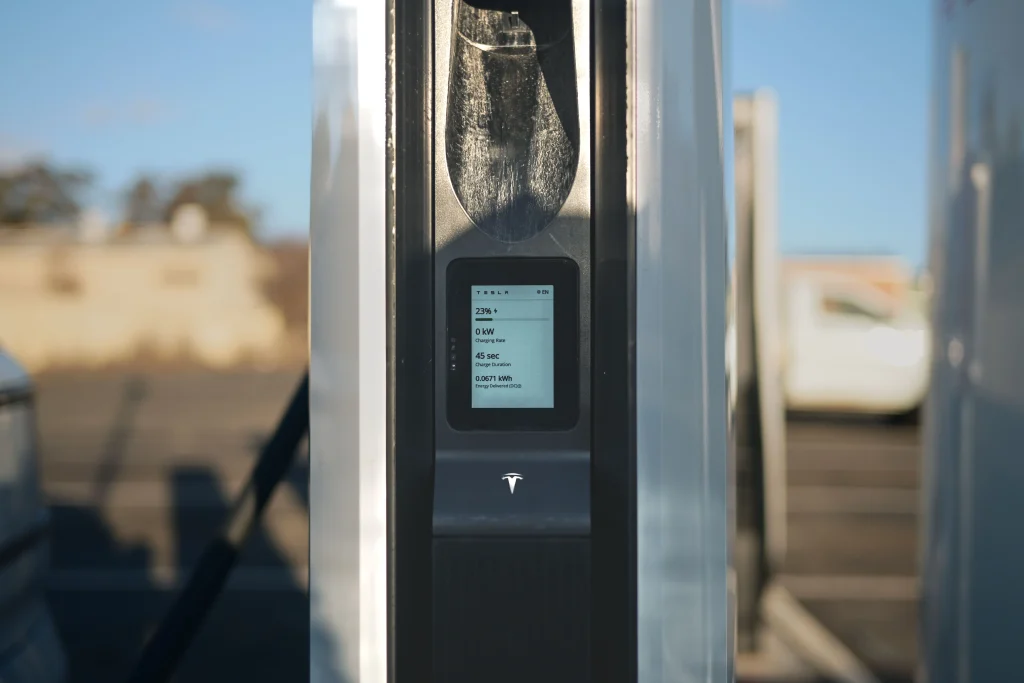
Enforcing mandatory physical displays on all public chargers guarantees that drivers view real-time kWh rates, accumulated energy, and total session costs directly on-site.
Requiring open-access credit card readers eliminates forced mobile app downloads, account registrations, and pre-funded digital wallet balances that lock up consumer money.
Establishing strict hardware certification rules prevents manufacturers from selling unverified metering chips that drift outside acceptable legal tolerances over multi-year deployments.
Guidelines and regulatory frameworks for clean transportation infrastructure and consumer billing protections are published by the U.S. Department of Energy Alternative Fuels Data Center.
Understanding how Charging Meter Rules Could Better Protect Electric Car Drivers highlights the critical role state regulators play in auditing commercial infrastructure.
Learn more: Emerging Charging Standards for Electric Motorcycles
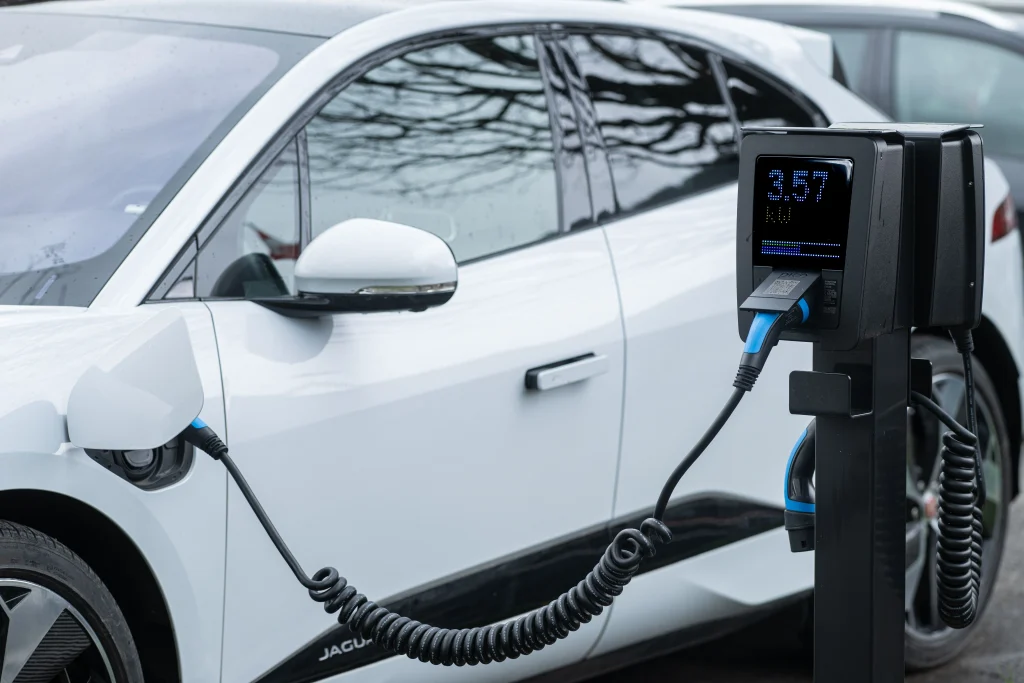
Mandating digital cryptographic signatures on raw meter data prevents network management software from altering transaction values between the charger and the driver’s receipt.
Clear labeling requirements force operators to state peak power limits, voltage ranges, and idle fee Grace periods conspicuously on charger housings.
Standardizing weights-and-measures certification across municipal borders protects long-distance drivers from encountering inconsistent billing rules while traveling across state lines.
How will updated metering standards impact the future EV market?
Upgrading charging infrastructure to meet strict metrological rules pushes network operators to phase out legacy, unreliable equipment in favor of commercial-grade hardware.
High-accuracy metering enables seamless vehicle-to-grid integration, allowing EV owners to sell excess energy back to utilities with absolute measurement precision.
Read more: Swapping Versus Charging Costs for Electric Motorcycle Riders
Harmonizing international standards reduces hardware manufacturing costs, allowing charging companies to deploy certified, tamper-proof stations faster across major highway corridors.
Increased pricing transparency drives consumer trust, positioning electric vehicles as a predictable, economically transparent alternative to fossil-fuel transportation systems.
Continuous regulatory oversight guarantees that public charging marketplaces operate with the same fairness, accuracy, and legal accountability long established at conventional gas stations.
Conclusion
Implementing comprehensive charging meter rules creates an equitable public fueling ecosystem where electric car drivers pay strictly for the energy received.
Learn more: Depot Microgrids Strengthening Electric Truck Charging Capacity
Eliminating hidden time surcharges, certifying physical submeter accuracy, and mandating transparent on-screen pricing safeguards consumer finances across every charging network.
Rigorous regulatory oversight and standardized weights-and-measures inspections build the market trust necessary to support mass electric vehicle adoption nationwide.
Frequently Asked Questions (FAQ)
What is the difference between AC and DC charging meter accuracy?
AC meters measure grid power before onboard vehicle conversion, while DC meters measure high-voltage current delivered directly into the vehicle battery past external cooling losses.
Can a charging station bill me for energy lost as heat during fast charging?
Under strict metering regulations like NIST Handbook 44, commercial chargers must measure net output delivered to the vehicle, protecting drivers from paying for infrastructure thermal losses.
How do I know if a public EV charger is legally calibrated?
Look for a physical weights-and-measures inspection decal or verification mark on the charger housing, indicating local regulatory compliance and meter testing.
