
The Impact of EV Charging Infrastructure on the Grid
Analyzing the impact of EV charging infrastructure on the grid requires evaluating peak power demand, localized transformer constraints, and smart load management strategies.
Rapid adoption of electric vehicles worldwide increases national electricity consumption while altering regional load profiles, forcing utility providers to modernize distribution networks swiftly.
Uncontrolled fast charging during evening hours creates severe demand spikes, threatening electrical equipment longevity and increasing operational costs for power grid operators globally.
However, implementing managed charging protocols, vehicle-to-grid technologies, and stationary battery storage transforms electric fleets into flexible energy assets that stabilize power supply networks.
Understanding grid capacity challenges and technological solutions empowers energy planners, policymakers, and consumers to transition smoothly toward electrified transportation without sacrificing reliable electricity access.
What challenges does rapid EV charging pose to utility distribution grids?
Concentrated charging demand in residential neighborhoods strains neighborhood distribution transformers, causing localized voltage drops and overheating during peak afternoon and evening hours.
Direct current fast chargers rated above one hundred kilowatts draw sudden high-power surges, requiring localized grid reinforcements or dedicated battery buffering systems nearby.
| Charging Infrastructure Level | Power Output Range | Primary Grid Impact | Mitigation Technology Solution |
| Level 1 Residential (AC) | $1.3\text{ kW to }1.9\text{ kW}$ | Minimal steady load over extended overnight hours | Simple scheduled charging timers |
| Level 2 Commercial (AC) | $3.3\text{ kW to }19.2\text{ kW}$ | Moderate cumulative peak demand at workplaces | Managed load sharing algorithms |
| DC Fast Charging (DCFC) | $50\text{ kW to }350\text{ kW}$ | Severe sudden demand spikes on local feeders | On-site stationary energy storage |
| Ultra-Fast Fleet Depots | $350\text{ kW to }1\text{ MW+}$ | Industrial-scale substations capacity requirements | Dynamic grid integration systems |
In-depth technical reports on global energy infrastructure, decarbonization pathways, and electrification statistics are routinely published by the International Energy Agency.
Managing the real-world impact of EV charging infrastructure on the grid depends heavily on deploying smart software systems that adjust charging speeds dynamically.
Time-of-use electricity tariffs incentivize vehicle owners to schedule charging during off-peak hours, flattening demand curves and reducing stress on regional distribution lines.
Integrating solar generation with workplace charging stations allows commercial property owners to charge fleets directly during daytime solar production hours without overloading lines.
Upgrading substation transformers and installing automated digital monitoring software ensures power utilities maintain voltage stability as EV adoption accelerates across metropolitan areas.
How does smart charging mitigate grid congestion?
Smart charging systems communicate continuously with grid operators, adjusting vehicle charging rates in real time based on local power availability and pricing signals.
Throttling charging speeds during sudden grid supply deficits prevents rolling blackouts without leaving drivers with uncharged batteries for morning commutes.
Aggregating thousands of connected electric vehicles creates virtual power plants capable of providing rapid demand response services to regional transmission system operators.
Shifting EV power draws to hours with surplus renewable generation maximizes clean energy utilization while minimizing fossil fuel peaking plant activations across regions.
Automated fleet management platforms optimize heavy-duty commercial vehicle charging, spreading energy draw evenly across multi-hour overnight dwell periods at logistics depots.
Why is vehicle-to-grid (V2G) technology vital for future energy security?
Bidirectional chargers allow electric vehicles to store excess energy during high-generation periods and discharge power back to homes or grids during emergencies.
Utilizing vehicle battery packs as distributed energy storage provides utilities with essential frequency regulation and peak shaving capacities without building dedicated utility-scale batteries.
Homeowners equipped with bidirectional systems can power essential household appliances during weather-related outages, enhancing personal energy resilience during severe regional storms.
Participating in vehicle-to-grid programs generates revenue for fleet operators, offsetting vehicle acquisition costs through active energy market arbitrage and grid support services.
Widespread deployment of standardized V2G communication protocols ensures seamless interoperability between diverse vehicle brands and varied utility management platforms globally.
Comprehensive research on clean energy integration, grid modernization technologies, and renewable power systems is available through the National Renewable Energy Laboratory.
Evaluating the cumulative impact of EV charging infrastructure on the grid demonstrates that strategic planning transforms potential stability risks into grid assets.
Coordinating transmission line investments with planned highway fast-charging corridors prevents local bottlenecks, ensuring reliable power delivery to high-density transit hubs nationwide.
Adopting uniform international standards for hardware connections and software communication streamlines infrastructure deployment while lowering overall system upgrade costs.
When are grid upgrades necessary for high-density charging hubs?
Highway travel plazas equipped with multiple ultra-fast chargers require high-voltage grid connections comparable to large industrial manufacturing facilities or major commercial centers.
Utilities must install dedicated transformers and medium-voltage distribution lines to prevent local voltage sag when dozens of vehicles charge simultaneously during holidays.
Learn more: How EV Warranties Work — and What to Look Out For
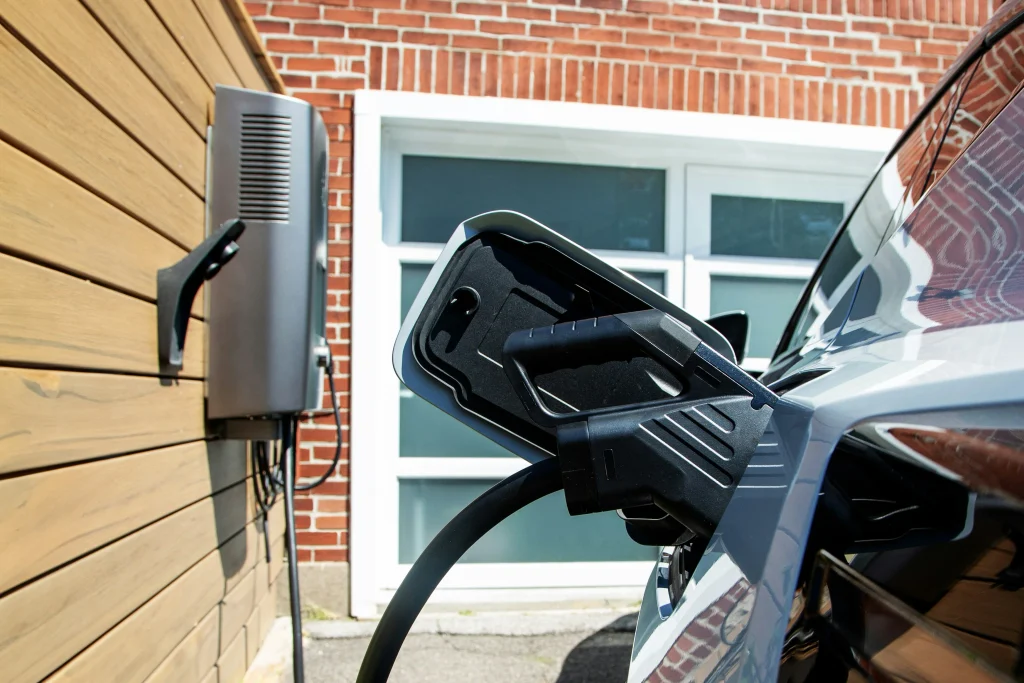
Co-locating large stationary battery energy storage systems at highway charging stations buffers peak demand draws, reducing expensive utility distribution infrastructure overhauls.
Predictive planning models allow city planners to identify high-density residential zones needing early distribution transformer replacements before widespread adoption causes equipment failure.
Which policy frameworks accelerate sustainable grid integration?
Forward-looking regulatory frameworks require utilities to incorporate EV load growth projections directly into their long-term integrated resource planning submissions.
Read more: How to Charge an EV Without a Home Garage
Rebates for commercial property owners installing smart, network-connected chargers ensure new infrastructure supports automated load management and time-of-use pricing models.
Streamlining utility interconnection permitting processes speeds up charger installation timelines while ensuring safety compliance and grid protection standards remain uncompromised.
Mandating open communication standards prevents proprietary technology lock-in, enabling seamless coordination between independent charge point operators and municipal electric utilities.
Conclusion
Managing the expansion of EV charging infrastructure requires proactive grid modernization, smart charging software, and supportive regulatory frameworks across markets.
Turning potential grid capacity challenges into opportunities through dynamic load balancing and vehicle-to-grid technologies creates a resilient, clean transportation ecosystem.
Learn more: Low Voltage Architectures Evolving in Electric Car Design
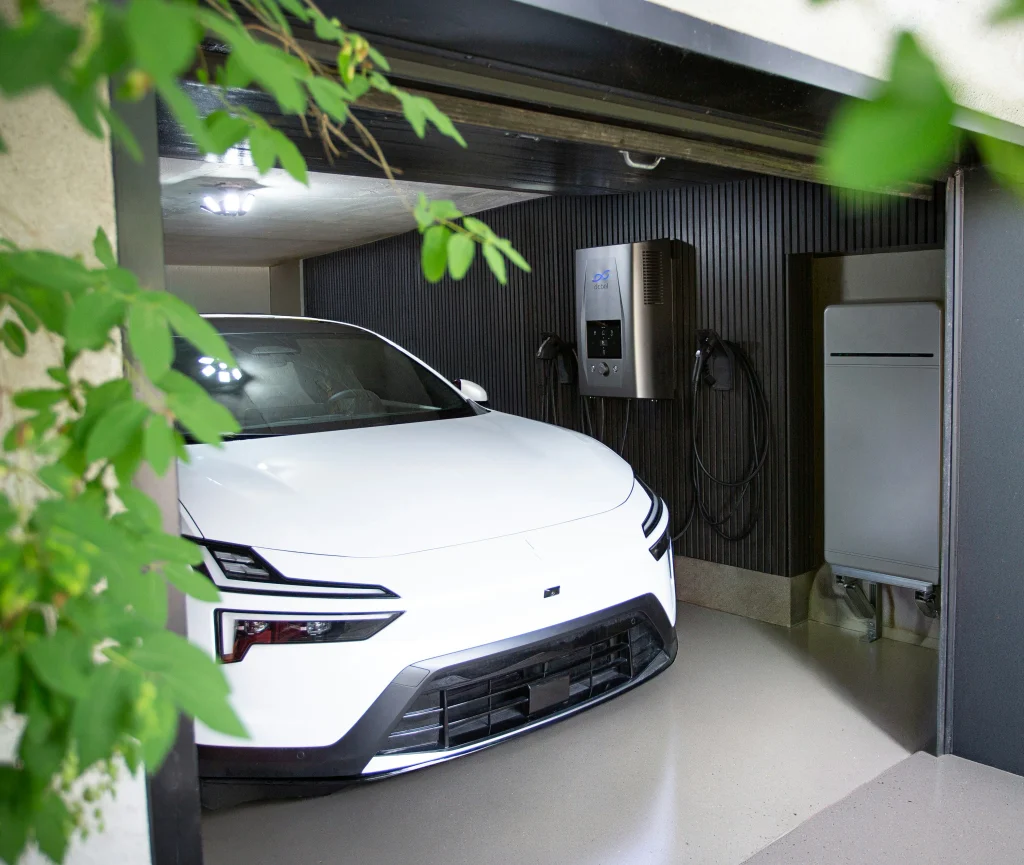
Collaborative investments between power utilities, governments, and private industry will ensure the global transition to electric mobility remains reliable and sustainable.
Frequently Asked Questions (FAQ)
Will electric vehicles overload national power grids as adoption grows?
National grids have sufficient overall capacity to handle EV growth, provided charging occurs during off-peak hours using smart management technologies.
What is the difference between unmanaged charging and smart charging?
Unmanaged charging draws maximum power immediately upon plug-in, whereas smart charging adjusts timing and charging speeds based on grid conditions and electricity prices.
How does on-site battery storage help fast-charging stations?
On-site batteries store power slowly during off-peak periods and discharge rapidly into vehicles during fast charging, reducing direct power demand spikes on local power lines.
