
Swapping Versus Charging Costs for Electric Motorcycle Riders
Analyzing Swapping Versus Charging Costs helps electric motorcycle riders determine whether subscription battery networks or traditional home plug-in arrangements offer lower total cost of ownership.
Urban mobility is shifting rapidly toward electric two-wheelers, driven by strict emissions standards, rising fuel prices, and significant advances in lithium-ion battery chemistry.
Evaluating upfront motorcycle purchase prices, recurring subscription fees, electricity tariffs, and battery degradation risks enables riders to choose the most cost-effective fueling method.
What are the core financial differences between swapping and charging?
Battery swapping models decouple battery ownership from the motorcycle purchase, significantly reducing initial vehicle acquisition costs for urban commuters and delivery riders.
Riders pay monthly subscription fees or pay-per-swap charges to access fully charged batteries instantly at automated kiosk stations throughout metropolitan areas.
Direct charging requires riders to buy the battery outright, relying on standard wall outlets or public fast chargers to replenish power over several hours.
| Financial and Operational Factor | Battery Swapping Model | Direct Plug-In Charging Model |
| Initial Vehicle Cost | Lower (Vehicle sold without battery pack) | Higher (Full battery price included) |
| Recurring Operating Expense | Monthly subscription or pay-per-swipe fee | Utility electricity tariff per kWh used |
| Downtime / Replenishment Time | 1 to 3 minutes at automated kiosks | 2 to 6 hours depending on charger power |
| Battery Degradation Risk | Zero (Network operator replaces aged cells) | High (Owner absorbs battery replacement costs) |
How do monthly subscription fees compare with home electricity bills?
Swapping subscriptions typically include unlimited or tiered battery exchanges, charging a flat monthly rate that covers electricity, station maintenance, and battery health monitoring.
Home charging costs depend directly on local utility rates per kilowatt-hour, making residential plug-in setups exceptionally cheap for low-mileage daily riders.
High-mileage commercial riders often find swapping more economical because avoiding prolonged charging downtime translates directly into higher daily earnings and productivity.
Comparing overall Swapping Versus Charging Costs demonstrates that annual mileage and daily operational uptime dictate which infrastructure model delivers superior long-term savings.
Why does battery degradation affect total cost of ownership?
Lithium-ion battery packs naturally lose energy capacity over time, typically degrading to eighty percent of original capacity after several hundred full charge cycles.
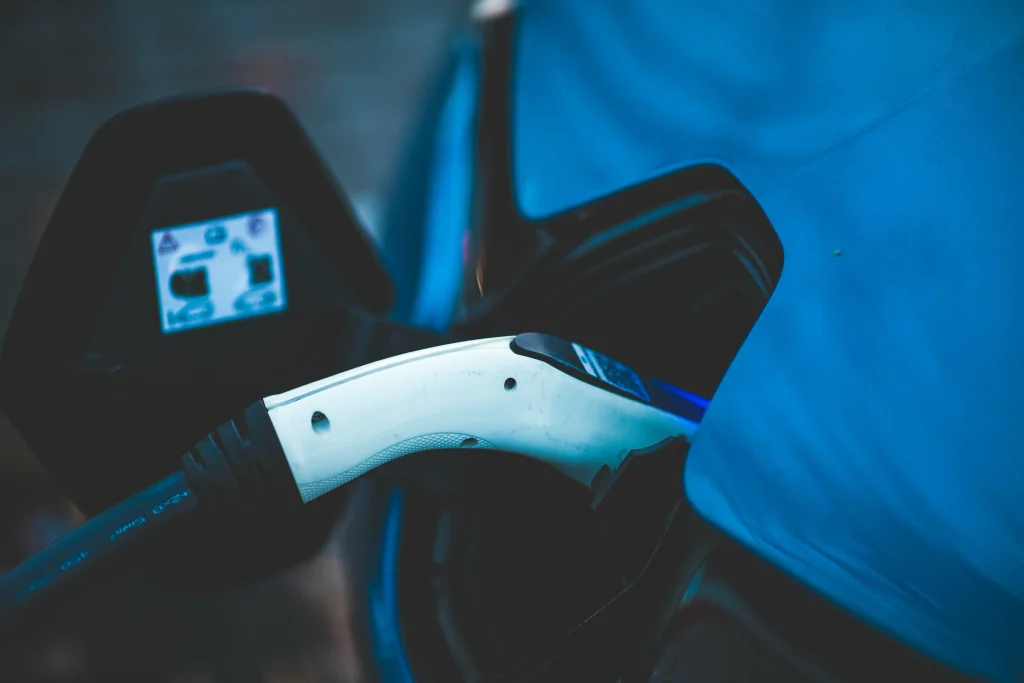
Plug-in motorcycle owners face substantial capital expenditures when replacing degraded onboard batteries after four to six years of regular daily use.
Learn more: PV Powered Swap Stations Could Cut Electric Motorcycle Emissions
Swapping network operators manage battery health centrally, retiring worn cells for secondary grid storage while providing riders with freshly balanced, optimal-capacity batteries.
Comprehensive technical research on battery lifecycle degradation and electric vehicle integration is published by the National Renewable Energy Laboratory, highlighting performance metrics.
Which option suits delivery riders versus daily urban commuters?
Delivery couriers and gig-economy drivers prioritizing maximum daily range benefit hugely from swapping networks that eliminate hours of charging waiting time.
Replacing depleted packs in under three minutes allows commercial riders to remain active on delivery platforms during lucrative peak revenue hours.
Read more: Battery Swapping for Electric Trucks: Does It Make Sense?
Casual commuters traveling short predictable distances usually save money with home charging, taking advantage of cheap overnight off-peak electricity pricing schedules.
Urban riders lacking dedicated garage outlets or reliable street charging infrastructure often choose swapping networks simply for convenience and guaranteed access.
What hidden expenses exist in electric motorcycle fueling infrastructure?
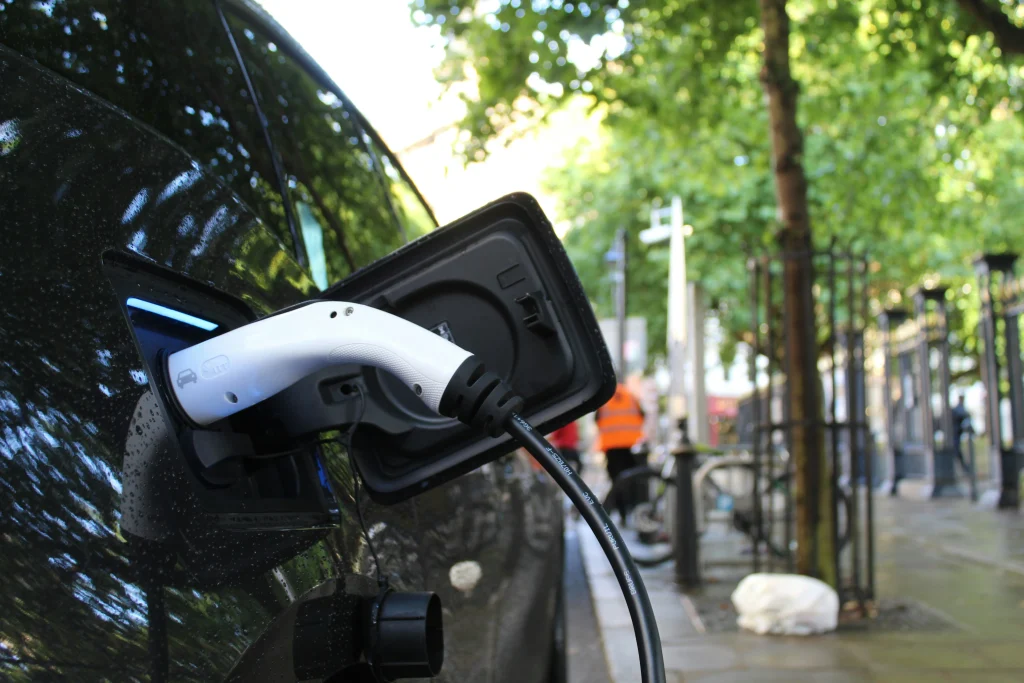
Public fast-charging networks frequently impose session connection fees, peak-hour surcharges, or idle penalty rates if bikes remain plugged in after reaching full capacity.
Swapping networks may charge extra fees for swapping during peak demand hours or require security deposits for accessing premium high-capacity battery units.
Upgrading residential electrical panels to support dedicated high-power chargers introduces additional upfront hardware and installation costs for home-charging riders.
Learn more: Electric Transport Battery Swapping Scaling in Cities
Policy updates, electrification guidelines, and clean transportation standards curated by the United States Department of Energy offer reliable financial insights.
Evaluating your specific daily travel distances, residential charging access, and financial priorities ensures you select the most economical electric motorcycle fueling strategy.
Choosing the right energy replenishment method maximizes rider convenience, reduces long-term operational costs, and accelerates the transition toward clean urban mobility.
Frequently Asked Questions (FAQ)
Is battery swapping more expensive than charging at home?
Battery swapping usually carries higher per-kilometer operational costs than home charging due to subscription overhead, but offers lower vehicle purchase prices and zero battery replacement risk.
How fast is a typical electric motorcycle battery swap?
Exchanging a depleted battery pack for a fully charged unit at an automated swapping station takes between one and three minutes.
Do all electric motorcycles support battery swapping?
No, battery swapping requires specialized removable battery architecture and compatibility with specific regional swapping station networks.
