
Pumped Hydro Comeback Strengthens Renewable Energy Storage
How a Pumped Hydro Comeback Strengthens grid reliability across global power networks highlights the urgent need for long-duration energy storage as intermittent solar and wind installations expand rapidly worldwide.
While battery installations excel at handling short-duration frequency regulation, large-scale pumped storage hydropower systems provide the long-duration capacity required to sustain regional electrical grids during multi-day renewable generation drops.
Modern closed-loop engineering designs, variable-speed pump turbines, and streamlined regulatory frameworks are revitalizing this mature technology, allowing grid operators to store massive surplus electricity volumes efficiently.
Re-evaluating pumped storage deployment reveals how modernized hydro infrastructure balances shifting load demands, mitigates renewable curtailment losses, and supports reliable clean power distribution across expanding industrial economies.
What is pumped storage hydropower and how does it store energy?
Pumped storage hydropower operates as a massive gravitational battery using two water reservoirs located at different elevations to store and generate electrical energy on demand.
During off-peak hours when excess solar or wind energy floods the electrical grid, electricity powers high-capacity pumps that move water from the lower reservoir up to the upper reservoir.
When consumer demand surges or renewable generation dips, operators release stored water through reversible turbines, generating hydro electricity within minutes to stabilize grid frequencies seamlessly.
Understanding how a Pumped Hydro Comeback Strengthens utility infrastructure clarifies how mechanical energy storage bridges the gap between variable renewable supply and constant consumer demand patterns.
Why is long-duration energy storage essential for modern electrical grids?
Integrating higher percentages of solar photovoltaics and wind turbines creates structural supply volatility, producing supply surpluses at noon and sharp generation declines during peak evening demand.
Lithium-ion battery facilities offer excellent short-term response capabilities, yet remain economically unfeasible for storing gigawatt-hours of energy across multi-day low-wind or overcast weather events.
Pumped hydro facilities deliver continuous, high-capacity discharge over eight to twenty-four hours, preventing severe blackout risks and stabilizing wholesale electricity markets during extreme weather conditions.
Constructing closed-loop pumped hydro systems off-river minimizes environmental footprint while delivering dependable inertia services that maintain stable voltage frequencies across transmission corridors.
Comparison of Utility-Scale Storage Technologies
| Energy Storage Asset Class | Typical Discharge Duration | Round-Trip Efficiency (RTE) | Operational Lifecycle | Primary Grid Role |
| Pumped Storage Hydro (PSH) | 8 to 24+ Hours | 70% – 82% | 50 to 100+ Years | Long-duration storage, grid stability, bulk capacity |
| Lithium-Ion Battery (BESS) | 1 to 4 Hours | 85% – 95% | 10 to 15 Years | Short-duration balancing, fast frequency response |
| Flow Batteries (Vanadium) | 4 to 10 Hours | 65% – 75% | 20 to 25 Years | Medium-duration commercial storage, peak shaving |
| Compressed Air (CAES) | 6 to 16 Hours | 50% – 70% | 30 to 40 Years | Bulk energy shifting, regional capacity reserve |
How do closed-loop designs minimize environmental impacts?
Traditional open-loop hydro systems connect directly to natural river systems, often raising ecological concerns regarding fish migration patterns, aquatic habitats, and seasonal river flow alterations.
Modern closed-loop configurations operate independently from natural waterways, utilizing self-contained upper and lower reservoirs located in locations with favorable elevation dynamics and minimal environmental friction.
These off-river installations drastically reduce regulatory permitting delays, lower ecological disruption, and allow developers to construct high-head storage assets near high-voltage power lines.
To analyze global hydropower deployment statistics, capacity forecasts, and energy policy frameworks, explore resources made available by the International Energy Agency (IEA).
Which technological advancements are driving modern hydro upgrades?
Variable-speed pump turbines allow operators to adjust power consumption dynamically while pumping water, enabling precise frequency regulation even during the water-charging cycle.
Advanced digital monitoring tools optimize maintenance schedules through real-time vibration sensing, preventing costly mechanical failures and extending overall operational lifespans across mechanical turbine systems.
Learn more: Hybrid Power Plants Strengthen Renewable Energy Reliability
Hybrid power plant integrations combine co-located solar arrays with pumped reservoirs, utilizing daytime solar electricity directly to pump water without drawing transmission energy from regional power lines.
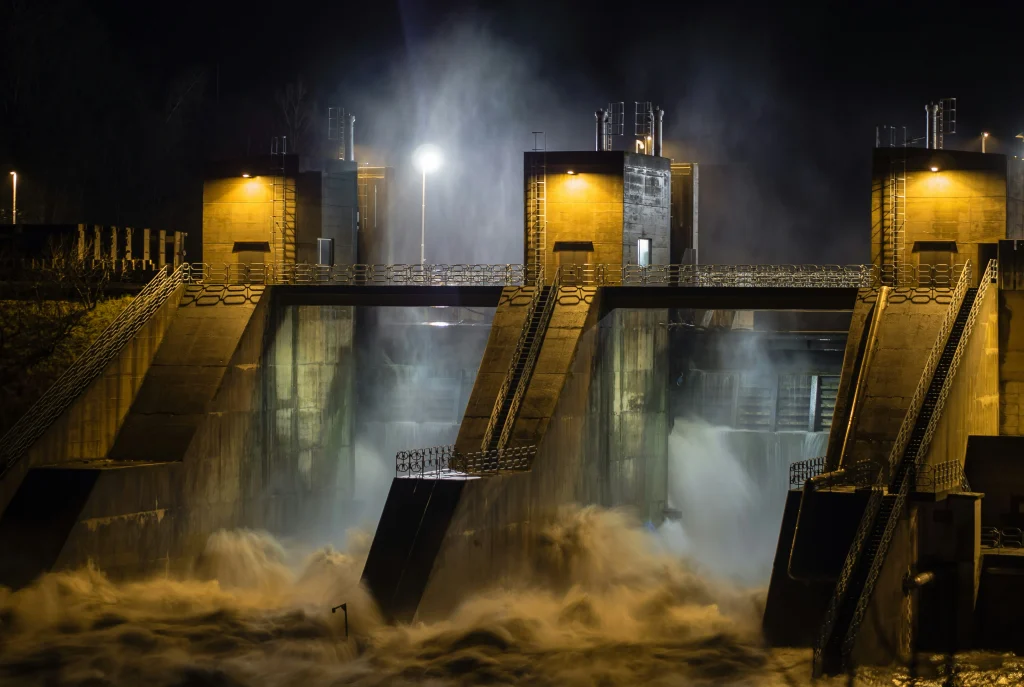
Seeing how a Pumped Hydro Comeback Strengthens energy resilience encourages utility planners to combine advanced hydro machinery with automated smart grid management algorithms.
What economic factors influence large-scale hydro developments?
High upfront capital expenditure and long construction timelines represent the primary commercial barriers hindering rapid private investment in new pumped storage projects.
Read more: Multi Day Storage Advancing Renewable Energy Stability
Revenue stacking mechanisms that reward asset owners for grid reliability, black-start capabilities, and capacity availability are essential for securing long-term project financing solutions.
Government incentives, such as investment tax credits for long-duration energy storage, are altering project economics, attracting private equity funds to high-head geographical sites.
Streamlined permitting procedures in key jurisdictions enable energy developers to accelerate site assessments and environmental reviews without compromising ecological oversight standards.
Which regions are leading global pumped storage deployment?
East Asia currently dominates global capacity expansion, driven by massive state-backed infrastructure programs designed to support vast offshore wind farms and solar installations.
European nations are retrofitting existing mountain reservoirs, establishing interconnected hydro storage networks that balance regional power trading across national electrical borders.
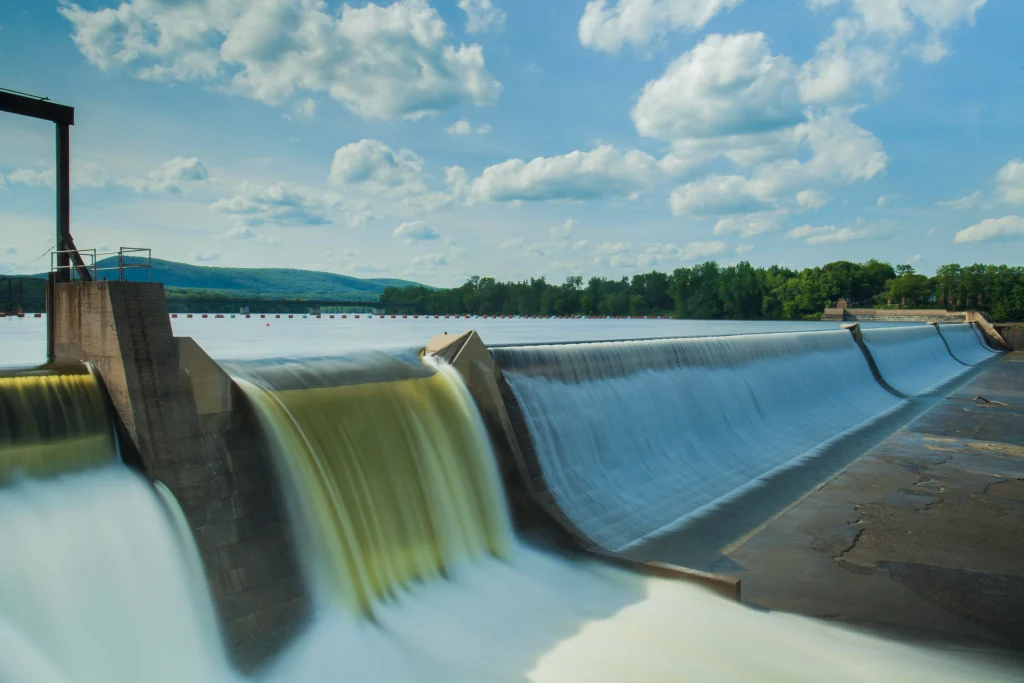
North American utilities are advancing several closed-loop projects on retired mining sites and brownfield locations, converting industrial terrain into clean energy storage infrastructure.
To review global hydropower technology assessments, research publications, and sustainable development standards, consult documentation provided by the International Hydropower Association (IHA).
Frequently Asked Questions (FAQ)
What is the average round-trip efficiency of modern pumped storage hydro?
Modern pumped hydro facilities achieve a round-trip efficiency between 70% and 82%, meaning they retain most of the electrical energy used during the initial pumping process.
How do closed-loop systems differ from traditional open-loop systems?
Closed-loop systems use isolated reservoirs not connected to natural river basins, whereas open-loop systems continuously draw from and discharge water into active river ecosystems.
Can pumped hydro operate alongside battery storage facilities?
Yes, utilities frequently pair fast-responding lithium-ion batteries for instantaneous frequency adjustments with pumped hydro facilities that manage multi-hour and multi-day energy storage demands.
How long can a pumped storage facility generate electricity continuously?
Depending on upper reservoir volume and turbine capacity, facilities can continuously generate full electrical output anywhere from eight hours to over twenty-four hours straight.
Recognizing how a Pumped Hydro Comeback Strengthens grid reliability reinforces its irreplaceable role in global decarbonization. Upgrading hydro infrastructure ensures clean energy networks remain stable, cost-effective, and resilient.
