
How to Charge an EV Without a Home Garage
Learning how to charge an EV without a home garage opens up clean transportation opportunities for millions of apartment residents, condo owners, and urban drivers living in high-density housing.
While single-family homeowners enjoy the convenience of dedicated overnight charging outlets, city dwellers frequently face logistical barriers when considering an electric vehicle purchase.
Public infrastructure, workplace installations, and commercial charging corridors now offer flexible alternatives that make zero-emission driving entirely feasible without access to a private driveway.
Adopting strategic charging habits and utilizing modern mobile applications allows urban motorists to maintain optimal battery levels while seamlessly integrating charging sessions into daily errands.
What are the most reliable alternatives to dedicated garage charging?
Public Level 2 charging networks positioned near residential blocks, transit hubs, and public parks provide steady power replenishment for street-parked electric vehicles.
Workplace charging stations allow employees to recharge vehicle batteries during standard operating hours, transforming sedentary office time into active energy replenishment sessions.
Retail destinations, including grocery stores, shopping centers, and fitness complexes, increasingly deploy fast chargers to attract eco-conscious consumers during routine shopping visits.
Curbside pole-mounted chargers leveraging existing municipal street lighting infrastructure offer convenient overnight charging options directly along public residential thoroughfares.
How does fast charging compare to slow charging for street-parked vehicles?
Direct Current (DC) fast chargers deliver rapid energy bursts capable of filling an electric battery to 80% capacity within 20 to 30 minutes.
Alternating Current (AC) Level 2 chargers supply steady, moderate power streams ideal for extended multi-hour parking stays or overnight street parking sessions.
Relying exclusively on ultra-fast public chargers increases monthly operational expenses compared to slower, off-peak commercial or municipal charging rates.
Balancing quick DC fast-charging stops with routine Level 2 charging sessions protects long-term battery health while optimizing overall transportation costs.
Public EV Charging Options Comparison
| Charging Category | Voltage & Power Output | Estimated Range Added Per Hour | Average Cost Profile | Best Primary Application |
| Public Level 2 AC | 240V / 6 kW to 19 kW | 10 to 30 miles of range | Low ($1 to $5 per session) | Overnight street parking & workplace stays |
| Standard DC Fast | 400V / 50 kW to 150 kW | 100 to 200 miles per 30 mins | Moderate ($10 to $20 per charge) | Grocery shopping & commercial errands |
| Ultra-Fast DC | 800V / 250 kW to 350+ kW | Up to 180 miles in 15 mins | High ($15 to $30 per charge) | Highway travel & quick emergency boosts |
| Curbside / Lamppost | 240V / 3 kW to 7 kW | 8 to 15 miles of range | Low (Utility off-peak rates) | Neighborhood residential street parking |
Why should urban drivers build an intentional charging routine?
Establishing a predictable weekly charging schedule prevents emergency battery depletion and reduces overall reliance on expensive highway fast-charging hubs.
Combining vehicle charging sessions with existing weekly habits, such as buying groceries, visiting gym facilities, or working remotely at local cafes, eliminates wasted waiting time.
Learn more: What Happens When an Electric Truck Breaks Down in a Remote Area?
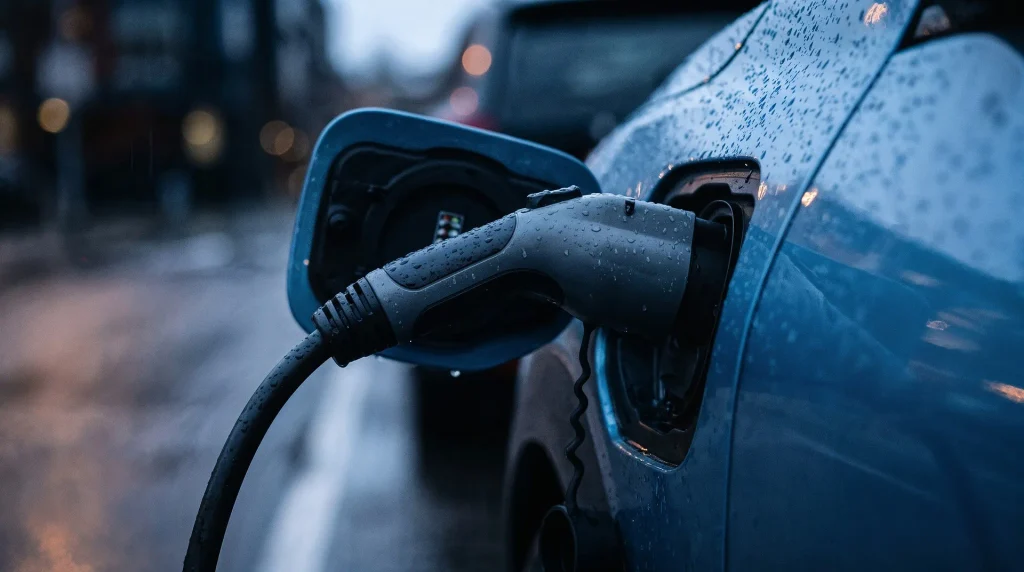
Monitoring real-time charger availability through digital mobile applications helps drivers locate operational ports and avoid long queues at popular urban charging hubs.
Utilizing off-peak charging hours during evening or early morning periods frequently provides lower electricity rates across municipal and commercial utility networks.
Which digital tools simplify public charger access for garage-free owners?
Navigation apps aggregate multi-network station maps, providing live operational status updates, plug compatibility filters, and upfront pricing comparisons.
Peer-to-peer charging platforms connect private driveway owners with garage-free drivers, enabling neighborhood residents to reserve and rent private home chargers during idle hours.
Read more: Charging Access Inequality Affecting Electric Transport Growth
Subscription plans offered by major charging networks significantly lower per-kilowatt-hour electricity costs for high-frequency urban commuters who rely entirely on public stations.
Review global clean mobility data and public infrastructure development projections compiled by the International Energy Agency to track expanding urban charging networks.
When will municipal infrastructure bridge the urban charging access gap?
Federal funding initiatives, municipal grants, and utility mandates are accelerating the deployment of public chargers across underserved urban residential areas.
Property managers operating multi-family apartment complexes face growing regulatory requirements to retrofit tenant parking structures with shared EV charging hardware.
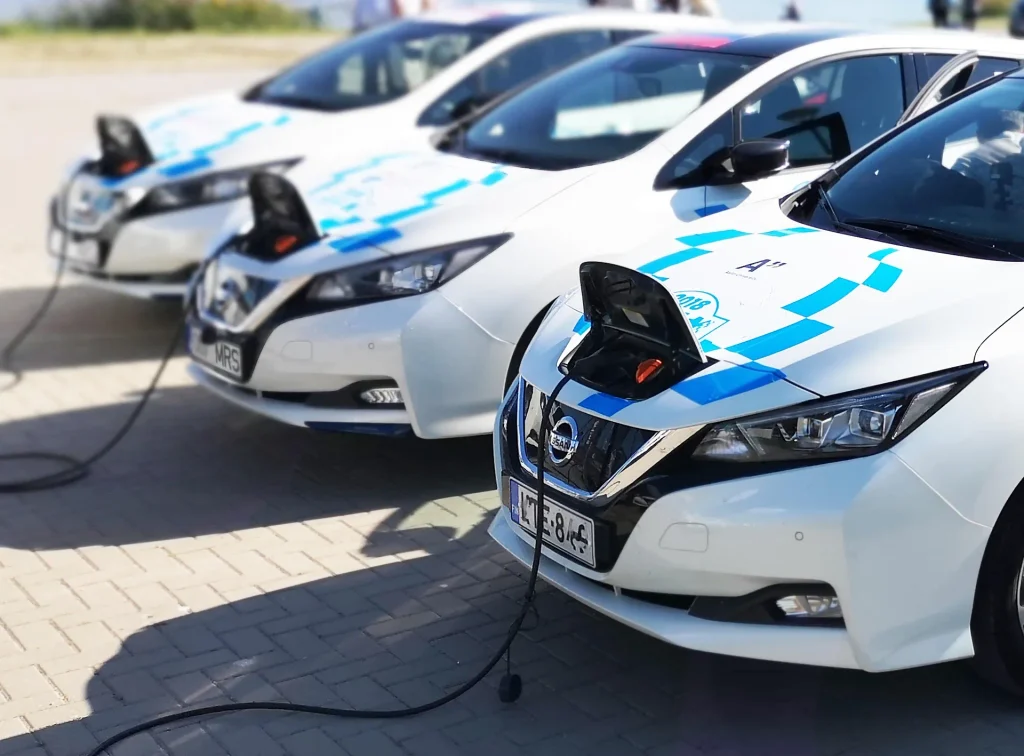
Standardized universal charging connectors and open-access payment systems continue reducing operational friction for electric vehicle owners across all major metropolitan regions.
Knowing how to charge an EV without a home garage empowers urban commuters to embrace sustainable transportation with total operational confidence.
Learn more: The Pros and Cons of Using a Portable EV Charger on Road Trips
Explore clean transportation technology research and public charging deployment resources published by the U.S. Department of Energy Alternative Fuels Data Center to find local charging options.
Frequently Asked Questions (FAQ)
Is it safe to leave an electric car plugged into a public street charger overnight?
Yes, public chargers feature weatherproof enclosures, integrated cable locking mechanisms, and automatic shutoff safety systems designed specifically for unattended outdoor operation.
How do apartment residents handle daily EV commuting without dedicated home charging?
Apartment drivers typically charge once or twice weekly at local DC fast chargers or plug into workplace and curbside Level 2 chargers during standard routines.
Are public charging stations more expensive than home electricity rates?
Public chargers generally carry higher per-kilowatt-hour fees than residential utility rates, though subscription discounts and off-peak municipal charging help minimize operational expenses.
Can an electric vehicle battery degrade faster from frequent fast charging?
Modern electric vehicle thermal management systems protect battery health, though balancing rapid DC fast charging with slower Level 2 sessions remains optimal for long-term cell durability.
Mastering practical strategies to charge an EV without a home garage transforms urban electric vehicle ownership from a complex challenge into a seamless daily routine.
By leveraging workplace charging, commercial retail hubs, curbside infrastructure, and smart mobile tools, city drivers can enjoy clean transportation without needing a private garage.
