
Subscription Models Emerging in Electric Motorcycle Markets
Subscription Models Emerging as a transformative force in the global electric motorcycle landscape are fundamentally altering how riders purchase, maintain, and refuel their two-wheeled vehicles.
In this deep industry analysis, we examine how battery-as-a-service, flexible leasing, and software-enabled upgrades are lowering the initial cost barrier for everyday urban commuters.
We will also explore how major manufacturing consortia are standardizing modular power packs, streamlining global logistics, and shifting the classic vehicle ownership paradigm toward flexible utility.
Read on to discover how these innovative business structures are reshaping city transit, reducing electronic waste, and paving a sustainable path forward for electric mobility.
What is the subscription model in the electric motorcycle market?
This modern business framework separates the physical ownership of the motorcycle chassis from its most expensive component: the lithium-ion battery pack.
Instead of paying a massive upfront premium for a complete vehicle, riders buy the motorcycle body at a heavily reduced retail price.
They then pay a recurring monthly fee to access a shared network of fully charged, continually monitored smart batteries.
To explore how the global transition to clean energy is being regulated, visit the United Nations Environment Programme, which champions global zero-emission transport initiatives.
This setup eliminates the consumer fear of battery degradation, as the subscription provider assumes all financial risks associated with long-term capacity loss.
Consequently, riders enjoy a worry-free relationship with their vehicles, knowing they can swap out aged cells for brand-new ones instantly.
How does Battery-as-a-Service lower the entry barrier for riders?
The traditional electric motorcycle market has struggled with high retail prices, driven largely by the massive raw material costs of chemical batteries.
By removing the battery pack from the initial purchase price, manufacturers can retail electric two-wheelers at parity with internal combustion engines.
Riders simply swap depleted packs for fresh ones at automated neighborhood kiosks in a process that takes less than ten seconds.
This dynamic refueling system bypasses the hours of tethered garage charging that traditionally limited the practical daily range of electric vehicles.
| Subscription Provider | Primary Regional Focus | Primary Service Type | Average Swapping Time |
| Gogoro Network | East Asia & Europe | Battery Swapping & BaaS | 6 Seconds |
| Honda Mobile Power | Southeast Asia & India | Modular Battery Subscriptions | 8 Seconds |
| Swap Energy | Indonesia | On-Demand Battery Swapping | 9 Seconds |
| Kymco Ionex | East Asia | Fleet and Consumer Subscriptions | 7 Seconds |
Which global brands are leading the transition to monthly plans?
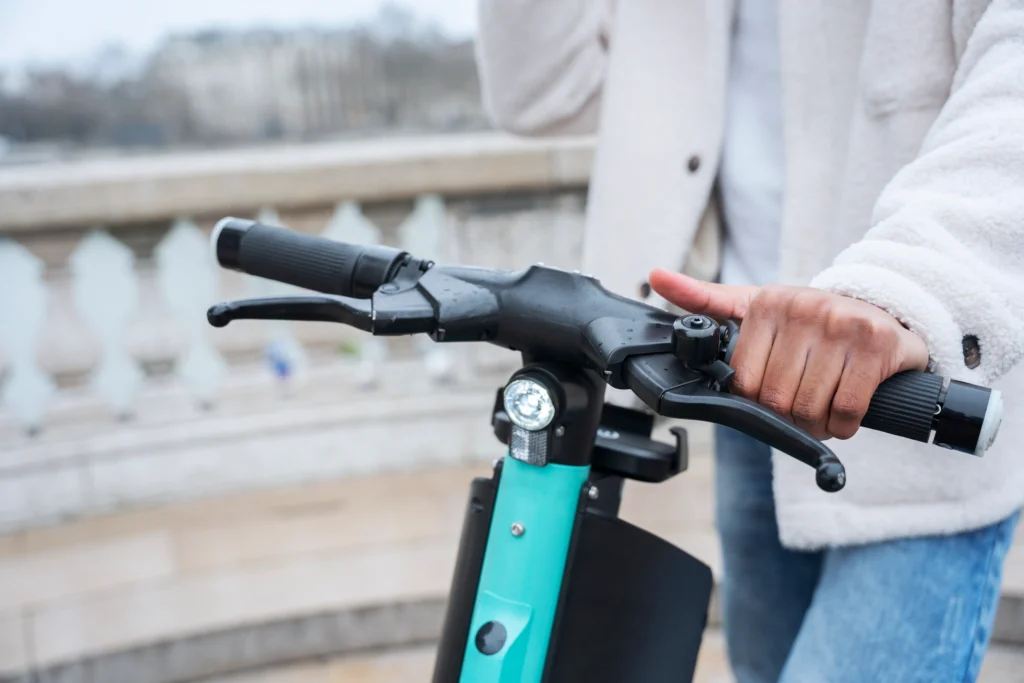
Several pioneering companies are proving that monthly payment structures can successfully replace traditional gas station stops for millions of daily commuters.
Taiwanese giant Gogoro has built the largest battery-swapping network in the world, powering thousands of smart scooters across dense urban centers.
Their infrastructure handles hundreds of thousands of daily swaps, proving that utility-based subscription models are highly scalable in metropolitan areas.
Learn more: Electric Car Software Defined Vehicles and OTA Risks
Similarly, Japanese legacy manufacturers have formed consortia to standardize swappable battery designs, ensuring cross-brand compatibility for riders in emerging markets.
This cooperative approach allows a Honda rider to use the same physical charging kiosk as a Yamaha or Suzuki owner.
Such standardization is crucial for encouraging private investment in public charging networks, reducing overall deployment costs for commercial fleet operators.
Why are software subscriptions becoming common on two wheels?
Modern electric motorcycles are essentially rolling computers, utilizing advanced software to manage throttle response, energy regeneration, and safety systems.
Read more: Electric Motorcycle App Integration and OTA Updates
Manufacturers are now offering digital subscription packages that allow riders to unlock premium performance upgrades and navigation features on demand.
For instance, a rider can temporarily subscribe to a high-power sport mode for a weekend trip through mountainous terrain.
This modular software approach lets consumers pay only for the specific features they actually use during their daily commutes.
To read comprehensive technical reports on how modern electric vehicles are altering urban transit grids, visit the International Energy Agency, which provides authoritative energy market statistics.
Over-the-air updates ensure that your motorcycle keeps improving over time, extending the useful lifespan of the physical vehicle platform significantly.
Navigating the subscription highway for a smarter urban commute
Embracing flexible payment structures in the two-wheeled sector is more than a financial trend; it represents a fundamental shift in transportation.
By turning hardware into a predictable utility service, manufacturers are opening up clean, silent transportation to demographic groups previously priced out.
Learn more: How Software Updates Are Transforming Electric Motorcycles
The reduction in battery waste through centralized charging and recycling programs further enhances the environmental credentials of these innovative electric models.
As infrastructure expands, the boundary between owning a vehicle and subscribing to a mobility network will continue to blur.
Making the switch to a subscription-based ride ensures you stay at the cutting edge of green technology without facing unexpected maintenance costs.
Frequently Asked Questions (FAQ)
What happens if my subscription battery degrades over time?
The service provider automatically monitors battery health at the swap station and removes worn-out cells from circulation, ensuring you always receive a high-performance pack.
Can I charge a subscription-based electric motorcycle at home?
Most systems are designed around public swapping networks, but some providers offer compact home dock chargers as optional add-ons to your monthly subscription plan.
Do commercial delivery riders pay the same subscription rates?
No, major network providers offer dedicated commercial fleet plans with unlimited swap options designed specifically for high-mileage delivery professional needs.
Are battery swapping standards identical across all motorcycle brands?
Standards are still regional, but major manufacturer consortia are actively working to unify battery dimensions and connector designs across different global brands.
