
Electric Motorcycle Cooling Limits in Hot Climates
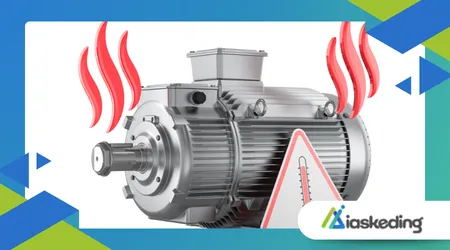
Navigating the peak of summer reveals that Cooling Limits in Hot Climates represent the most significant engineering hurdle for modern high-performance electric motorcycles entering the 2026 market.
Summary of Key Insights
- Understanding thermal throttling and battery chemistry degradation.
- Comparative analysis of air-cooled versus liquid-cooled battery architectures.
- Impact of ambient temperatures exceeding 40°C on charging speeds.
- Practical maintenance tips to preserve long-term powertrain health.
What are the thermal thresholds for electric motorcycle batteries?
Lithium-ion cells typically operate optimally between 15°C and 35°C, but desert environments often push internal temperatures toward the critical 60°C safety limit.
When riders encounter Cooling Limits in Hot Climates, the Battery Management System (BMS) initiates “limp mode” to prevent permanent cathode damage or thermal runaway events.
The 2026 generation of solid-state batteries promises higher heat tolerance, yet current nickel-manganese-cobalt (NMC) packs remain sensitive to ambient heat soak during prolonged highway speeds.
Once the electrolyte reaches a specific thermal ceiling, internal resistance climbs sharply, reducing the available wattage and leaving riders with diminished throttle response.
How does ambient heat affect DC fast charging speeds?
High-speed charging generates internal kinetic energy that raises cell temperatures independently of the sun, compounded by the harsh Cooling Limits in Hot Climates found in southern states.
If the starting temperature of the pack is already 40°C, the BMS will aggressively throttle the charging curve to protect the lithium structure.
Riders often notice that a 20-minute session stretches to 50 minutes when the pavement radiates heat.
This phenomenon, known as “heat gating,” occurs because the cooling system cannot dissipate energy fast enough to maintain the requested kilowatt input from the station.

Why is liquid cooling becoming standard for premium e-motos?
Passive air cooling relies entirely on forward motion and ambient air delta, which fails when sitting in traffic or climbing steep grades in July.
Manufacturers like Zero Motorcycles have transitioned toward advanced thermal interfaces to bypass the restrictive Cooling Limits in Hot Climates seen in earlier models.
Liquid-cooled systems circulate glycol through internal jackets, transferring heat to a dedicated radiator that can be assisted by high-static pressure fans.
This active regulation ensures that the inverter and motor remain within “Goldilocks” zones, even when the thermometer hits record-breaking highs during cross-country tours.
++ Electric Motorcycle Battery Heat Under Track Riding
Which components fail first during extreme heat exposure?
While the battery is the most expensive part, the MOSFETs within the motor controller often hit their Cooling Limits in Hot Climates before the cells do.
These power semiconductors switch thousands of times per second, generating localized heat that can melt solder or degrade delicate capacitors if not properly heatsinked.
Furthermore, the permanent magnets inside the motor can suffer from “demagnetization” if they exceed their Curie temperature.
Modern 2026 motors utilize internal oil-cooling loops to spray lubricant directly onto the rotor, providing a much-needed thermal buffer against the relentless summer sun.
What are the best practices for riding in high temperatures?
To manage the Cooling Limits in Hot Climates, experienced riders prioritize “pre-cooling” their bikes in garages and avoiding high-torque maneuvers during the hottest part of the day.
Choosing a steady cruising speed rather than erratic “stop-and-go” bursts helps the radiator maintain a consistent laminar airflow across the cooling fins.
Thermal Performance Comparison (Standardized at 40°C Ambient)
| Feature | Air-Cooled System | Liquid-Cooled System | Phase-Change Material (PCM) |
| Heat Dissipation | Low (Passive) | High (Active) | Medium (Passive) |
| Weight Penalty | 0 kg | 5-8 kg | 3-5 kg |
| Max Continuous Power | 15 kW | 45+ kW | 25 kW |
| Maintenance Need | Zero | Coolant Flushes | Zero |
| 2026 Market Share | 20% (Urban) | 75% (Performance) | 5% (Specialized) |
How do tires and electronics react to road surface heat?
Asphalt temperatures can reach 70°C, creating a secondary heat source that radiates upward into the motor casing and further challenging the Cooling Limits in Hot Climates.
This extreme heat increases tire pressure beyond recommended safety margins, potentially reducing the contact patch and affecting the bike’s regenerative braking efficiency.
++ Electric Motorcycle Range Loss at Highway Speeds Explained
Integrated TFT displays and sensors also have thermal ceilings; prolonged exposure can lead to screen “blackouts” or sensor errors in the ABS module.
Keeping the motorcycle covered when parked is not just about paint protection; it prevents the electronics from reaching an unrecoverable thermal equilibrium.
Why does humidity play a role in electric bike cooling?
While humidity affects human sweat evaporation, it also changes the density of the air used to cool radiators and motor fins.
Moist air is actually less dense than dry air, which marginally reduces the heat-carrying capacity of the wind hitting the motorcycle’s cooling surfaces.
Engineers designing for Cooling Limits in Hot Climates must account for these variations in air density to ensure the radiator surface area is sufficient.
In 2026, we see more bikes utilizing “oversized” cooling ducts that capture more air volume at lower speeds to compensate for these atmospheric variables.
++ Electric Motorcycle Torque Control on Wet Asphalt Roads
Conclusion
Mastering the Cooling Limits in Hot Climates is essential for any rider looking to transition to electric power without sacrificing reliability or performance.
As thermal management technology evolves, the gap between combustion and electric endurance narrows, ensuring that the future of two-wheeled transport remains cool, even when the weather is not.
For those interested in the latest safety standards regarding high-voltage systems, the Society of Automotive Engineers (SAE) provides comprehensive technical papers on electric vehicle thermal safety and performance benchmarks.
FAQ (Frequently Asked Questions)
Can I spray my battery with water to cool it down?
No, never apply cold water directly to a hot battery or motor casing. This can cause “thermal shock,” leading to micro-cracks in the housing or damaging the weather-seals due to rapid contraction.
Does “Eco Mode” help with cooling?
Yes, Eco Mode generally limits the current draw and softens acceleration curves. This reduces the “Joule heating” effect in the wires and battery, effectively staying further away from thermal limits.
Is it safe to leave my electric motorcycle in the sun?
While the bike is designed for outdoor use, constant sun exposure accelerates the aging of the plastic cells and puts unnecessary stress on the BMS. Always seek shade during long stops.
How often should I check the coolant in a liquid-cooled bike?
For most 2026 models, a quick visual check of the reservoir every 1,000 miles is recommended, with a full system flush typically required every two years to prevent mineral buildup.
Will the bike stop completely if it gets too hot?
Typically, the bike will first reduce power by 50% or more. If temperatures continue to rise despite the power cut, the BMS will eventually shut down the system entirely.
